Table of Contents Show
A thoughtfully designed home in St. George should feel calm, useful, and ready for real life. That is hard to achieve when the garage becomes the default landing place for everything that does not fit indoors. Bikes lean against paint cans. Holiday bins sit behind golf clubs. Patio cushions, camping gear, tools, coolers, and sports equipment slowly take over the space meant for vehicles, projects, and easy access.
In Southern Utah, this problem grows quickly because the lifestyle is seasonal and gear-heavy. Families use paddleboards in the summer, camping supplies in spring and fall, holiday décor in winter, and yard tools nearly year-round. Add red dust, heat, and limited closet space, and even a beautiful home can start to feel crowded at the edges.
Good Design Depends on Breathing Room
A home does not need to be large to work well, but it does need space with a purpose. When every cabinet, hallway closet, and garage wall is overloaded, daily routines become less efficient. The issue is not just visual clutter. It is the time lost moving boxes to reach a ladder, the frustration of parking outside during July heat, and the risk of damaging expensive items because they are stacked wherever space appears.
For homeowners who care about design, storage is part of the plan, not an afterthought. Clean sightlines, open walkways, and usable rooms all depend on removing items that do not need to be accessed every day. The garage can support the home, but it should not have to carry the entire burden.
This is where off-site storage becomes a practical extension of the household. Items used monthly, seasonally, or only a few times a year often belong outside the main living space. Homeowners comparing storage units options are usually not trying to collect more things. They are trying to protect the function of the home they already have.
The Garage Has a Higher Job Than Holding Leftovers
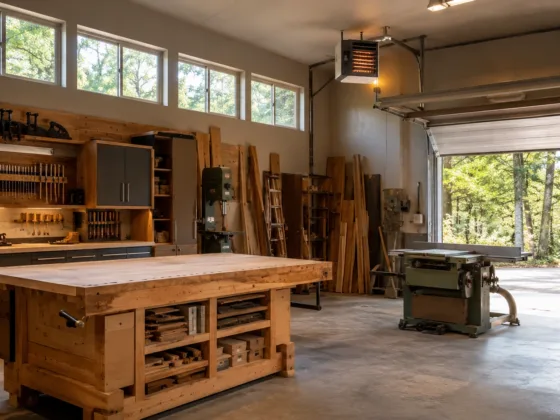
In many St. George homes, the garage is one of the most valuable utility spaces on the property. It can protect vehicles from sun exposure, shelter tools, support hobbies, and create a safer path from car to kitchen. When it becomes a packed overflow room, those advantages disappear.
The cost is easy to overlook. Vehicles left outside face more heat, fading, and dust. Stored furniture can warp or scratch. Seasonal bins crack. Tools get misplaced. A family may even delay home projects because the workspace is too crowded to use.
A better approach is to divide belongings by how often they serve the household. Daily-use items should stay close. Weekly-use items can live in organized garage zones. Seasonal and occasional items can move out, especially when they are bulky or awkward to stack.
Seasonal Gear Needs a Seasonal Home
Southern Utah makes outdoor living appealing, but it also brings a steady rotation of equipment. Camping totes, hiking packs, lake gear, patio umbrellas, folding chairs, and holiday decorations all have their moment. The problem is that their off-season footprint often lasts much longer than their actual use.
By moving seasonal items out of the garage, homeowners gain back square footage without getting rid of things they value. The change can be immediate: room for both cars, a clearer workbench, safer access to stored tools, and fewer piles in corners.
A More Useful Home Starts With Honest Space Planning
Good home design is not only about finishes, furniture, and color palettes. It is about whether the space supports the way people actually live. In St. George, that means planning for outdoor recreation, desert maintenance, visiting family, seasonal décor, and the equipment that comes with an active household.
The most practical storage decisions start with a simple question: does this item need to live inside the home or garage right now? If the answer is no, it may be costing more space than it is worth. Moving those items elsewhere can make the home feel larger without remodeling, adding cabinets, or giving up the belongings that support family routines.
A well-designed home should make everyday life easier. When the garage is no longer buried under seasonal overflow, the whole property works better. Rooms feel calmer, vehicles fit where they should, and the items that remain are easier to find, use, and maintain.