Table of Contents Show
Most people don’t think about indoor humidity until it starts causing problems. A dry throat after waking up, static shocks when touching a doorknob, skin that feels tight, or wooden furniture that seems a little drier than usual often point to the same issue. The air inside the home simply lacks enough moisture to stay comfortable.
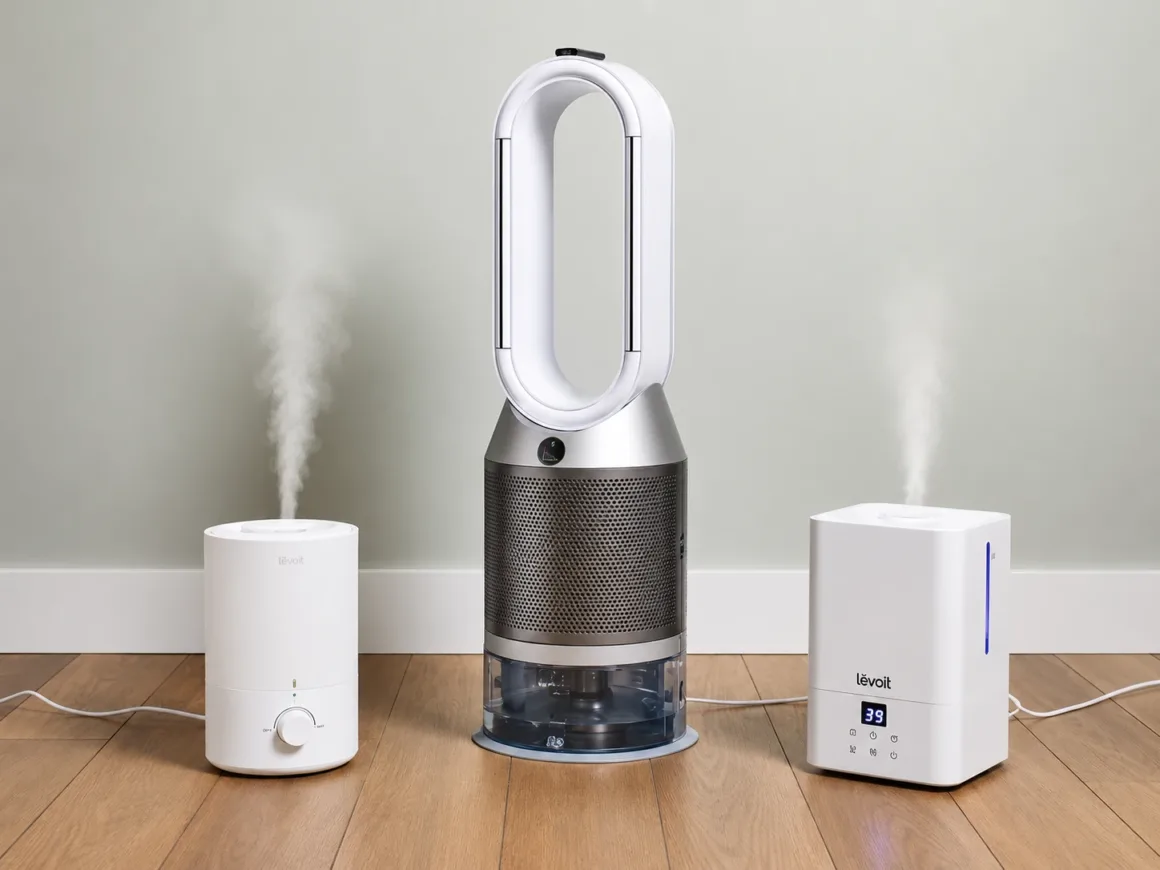
That’s where a quality humidifier makes a real difference. Rather than pumping moisture into the room at random, today’s best models maintain comfortable indoor moisture levels with greater accuracy while operating quietly and efficiently. Many models also include smart controls, improved water circulation, and easier maintenance, making everyday use far more convenient. Understanding those differences helps you choose a humidifier that fits your home instead of paying for features you’ll rarely use.
Looking Beyond Moisture Output
Many shoppers compare humidifiers by tank size or mist output alone. Those specifications matter, but they don’t tell you what living with the appliance actually feels like. A well-designed humidifier maintains stable humidity throughout the day instead of producing bursts of moisture that leave windows damp or rooms feeling uncomfortable.
Living with the unit every day matters just as much as its performance. Older units often required frequent scrubbing because mineral deposits collected inside the tank. Newer designs simplify that routine with removable components, improved water circulation, and hygienic systems that keep maintenance manageable without adding unnecessary work.
Noise level, room coverage, electricity use, replacement filters, and overall reliability all influence how satisfying a humidifier will be over the long run. Spending a little more on a dependable model often proves worthwhile after months or years of regular use, especially if the humidifier runs every day during colder seasons.
Why Balanced Indoor Humidity Matters Every Day
Dry indoor air doesn’t look the same in every home, but the signs are usually easy to spot. Dry skin, irritated eyes, chapped lips, and a scratchy throat often appear long before most people think about checking humidity levels. During winter, heating systems can make indoor air feel even drier, leaving rooms less comfortable than they should be.
The effects reach beyond personal comfort. Wood naturally reacts to changes in moisture. Hardwood flooring, furniture, cabinetry, artwork, and even musical instruments remain in better condition when indoor humidity stays within a healthy range. Keeping moisture levels stable reduces seasonal expansion and shrinkage that may shorten the life of these materials.
Humidity is only one piece of a healthier indoor environment. Fresh air, regular cleaning, and natural air-filtering plants also contribute to a cleaner living space. If you’re looking for simple ways to improve indoor air quality, our guide to Indoor Plants to Improve Air Quality shares practical ideas that work in almost any home.
Cleaner Air Starts With More Than Humidity
Adding moisture improves comfort, but it doesn’t remove dust, pollen, pet dander, or airborne particles that continue circulating throughout the home. That’s why many homeowners now look beyond standalone humidifiers and compare systems that combine humidity control with air purification.
A combined system performs two jobs at the same time. While humidity stays within a comfortable range, the filtration system captures common indoor pollutants before they settle on furniture or continue circulating through the room. The difference becomes especially noticeable in homes with pets, allergy sufferers, or heavy seasonal pollen.
Keeping everything in one appliance also makes daily life simpler. One appliance takes up less space than running separate units, while daily operation becomes easier to manage through a single set of controls.
Features That Make Everyday Use Easier
It’s easy to get distracted by long feature lists, but not every specification changes the day-to-day experience. The features that matter most are the ones you’ll actually notice after weeks or months of regular use.
Automatic humidity sensors rank near the top of that list. Instead of constantly adjusting settings, the humidifier responds to changing conditions on its own and keeps the room at a comfortable level throughout the day. That consistency feels far more natural than equipment that repeatedly swings between air that’s too dry and air that feels damp.
Cleaning isn’t the most exciting feature to compare, but you’ll appreciate it after a few weeks of daily use. A water tank that’s easy to remove, accessible internal parts, and straightforward maintenance save far more time over the life of the appliance than an extra display feature or another operating mode.
Filtration is just as important, especially if cleaner indoor air is one of your goals. HEPA filters, activated carbon filters, and similar technologies improve indoor air quality by capturing fine dust, allergens, and everyday odors before they circulate through the room. If cleaner air is one of your priorities, these features quickly become more valuable than decorative extras.
Why Multifunction Air Treatment Systems Keep Gaining Attention
More homeowners are choosing appliances that solve more than one problem. Instead of filling a room with separate devices, a single system that combines humidity control and air purification keeps everyday maintenance simpler while reducing clutter around the home.
If you’re comparing premium options, it’s worth exploring how advanced air purifier humidifier systems combine automatic sensing, air filtration, and humidity control within a single appliance. Looking at these features side by side makes it easier to decide which functions genuinely fit your household instead of paying for technology that rarely gets used.
It’s also worth checking warranty support, replacement filters, electricity use, and routine maintenance before making a decision. A humidifier becomes part of everyday life, so convenience matters just as much as technical capability.
If winter air feels especially dry where you live, our guide to Should You Get a Steam Humidifier for This Winter? explains the situations where a steam model makes sense and when another type may be a better fit.
Choosing a Humidifier That Fits Your Home
Start with the room where the humidifier will spend most of its time. A compact bedroom requires very different coverage from an open-plan living area, and buying the wrong size usually leads to disappointment. A unit that’s too small works harder than necessary, while an oversized model adds cost without offering much extra value.
Maintenance is just as important as overall performance. Water tanks that lift out easily, filters that are simple to replace, and accessible internal components make routine cleaning far less of a chore. Those practical details become much more important after months of regular use than another display setting or smartphone feature.
Think about how the humidifier fits into your daily routine. Homes with pets, frequent cooking, or family members who struggle with seasonal allergies often benefit from models that combine humidity control with air purification. Choosing features that match your lifestyle usually delivers better value than paying for every premium function available.
Before making a final decision, compare the long-term costs as carefully as the purchase price. Electricity consumption, replacement filters, warranty coverage, and the availability of spare parts all influence how satisfying the appliance will be years after it leaves the store.
Humidity is only part of the picture. Our guide to How to Green Your Cleaning Routine shares additional ways to create a cleaner, healthier living environment with simple habits that fit into everyday life.
Final Thoughts
A humidifier is one of those appliances people rarely think about until dry indoor air becomes impossible to ignore. Once humidity returns to a comfortable level, better sleep, healthier-looking wood furniture, and a more pleasant indoor environment quickly become noticeable parts of everyday life.
The best choice isn’t always the model with the longest feature list. It’s the one that matches your home, fits your routine, and stays easy to maintain year after year. Spending a few extra minutes comparing practical features is far easier than replacing the wrong humidifier a year from now.
Editorial Note: Product references in this article are included for informational purposes. Before purchasing a humidifier, compare room coverage, maintenance requirements, filter availability, warranty support, and long-term ownership costs to find the option that best fits your home.
Author & Editorial Review
Author: Perla Irish writes about home improvement, renovation, and practical interior living. Her work focuses on helping homeowners make informed decisions through straightforward, experience-driven advice rather than product promotion.
Editorial Review: DreamlandsDesign’s editorial team reviewed this article for accuracy, readability, and relevance. Product references were retained only where they support the topic and provide useful context for readers.