Table of Contents Show
The new generation of homeowners prioritizes sustainability, both in their habits and lifestyle considerations, as well as their big purchases. For many prospective buyers, a home with eco-friendly features will be more appealing than something more outdated and inefficient.
Whether your plan is to sell your home or modernize it, here are seven eco-friendly upgrades to consider for 2022.
Install a Tankless Water Heater
The term tankless water heater sounds confusing for those who have distinct memories of bulky tanks under the stairs or near the furnace. These streamlined, wall-mounted devices solve many of the problems that are typical with traditional water heaters.
Rather than heating a set amount of water and using energy to keep it warm all day, a tankless water heater is fitted to the pipes so that when someone turns on the tap, the water is heated as it flows through.
Not only are these heaters more energy-efficient and economical to operate, but they are also in high demand for prospective buyers. According to the experts at J&J Plumbing, Heating & Cooling, installing tankless water heaters has become one of the most requested home upgrades over the last two years. At some point in the future, tankless water heaters will be an expectation in the home market.
Read Also:
Consider Localized Climate Control
Another common home upgrade is the addition of mini-splits for localized climate control. The challenge with traditional home heating options is that turning up the temperature in one room means turning up the temperature in the entire house. The exception is electric baseboard heat, which is inherently inefficient and costly.
Adding localized climate control allows homeowners to heat or cool the area of the home that’s being used without adjusting the overall temperature of the house. This puts less demand on the primary heating and cooling system and increases the home’s value. Mini-splits are often more energy-efficient to operate as well.
Add Extra Insulation
Sometimes making your home more eco-friendly isn’t about the systems you use, but how you prevent heating and cooling loss. Adding extra insulation will always add value to a home — it’s one of the first things buyers and home inspectors look for.
In addition to adding insulation to the attic, you should also look into adding extra insulation to the exterior walls, especially around electrical outlets. Take the time to add caulking and weather stripping to doors and windows, checking for drafts that could potentially be costing you hundreds of dollars per year.
Install Low-Flow Faucets and Toilets
One of the simplest eco-friendly home upgrades that have the highest ROI is replacing old faucets and toilets with low-flow models. A low-flow toilet saves upward of 17 gallons of water with each flush, amounting to 27,000 gallons saved each year. Faucet aerators save anywhere from two to 16 gallons of water per day, for an annual reduction of 730 to 5,840 gallons of water per year, per tap.
These upgrades pay for themselves in utility savings over the first year and also add resale value to the home.
Choose a Metal Roof Replacement
Most homeowners are faced with a roof replacement at some point. When that time comes, consider upgrading to a metal roof rather than installing asphalt shingles.
A metal roof lasts twice as long as asphalt does, minimizing material consumption over time. It is also pest resistant and helps make your home more energy-efficient. In many cases, metal roofs are made from recycled materials and can be recycled at the end of their long lifespan as well.
Invest in Eco-Friendly Landscaping
While we tend to think of our yards as eco-friendly places, there are several things you can do to make it more so. One of the best ways to make your interior home more energy-efficient is to place trees and bushes strategically around your yard to provide shade and windbreaks.
This intentional placement will help keep cooling costs lower in the summer by providing shade, as well as keeping heating costs lower in the winter by creating a warm microclimate.
Consider Solar Power Additions
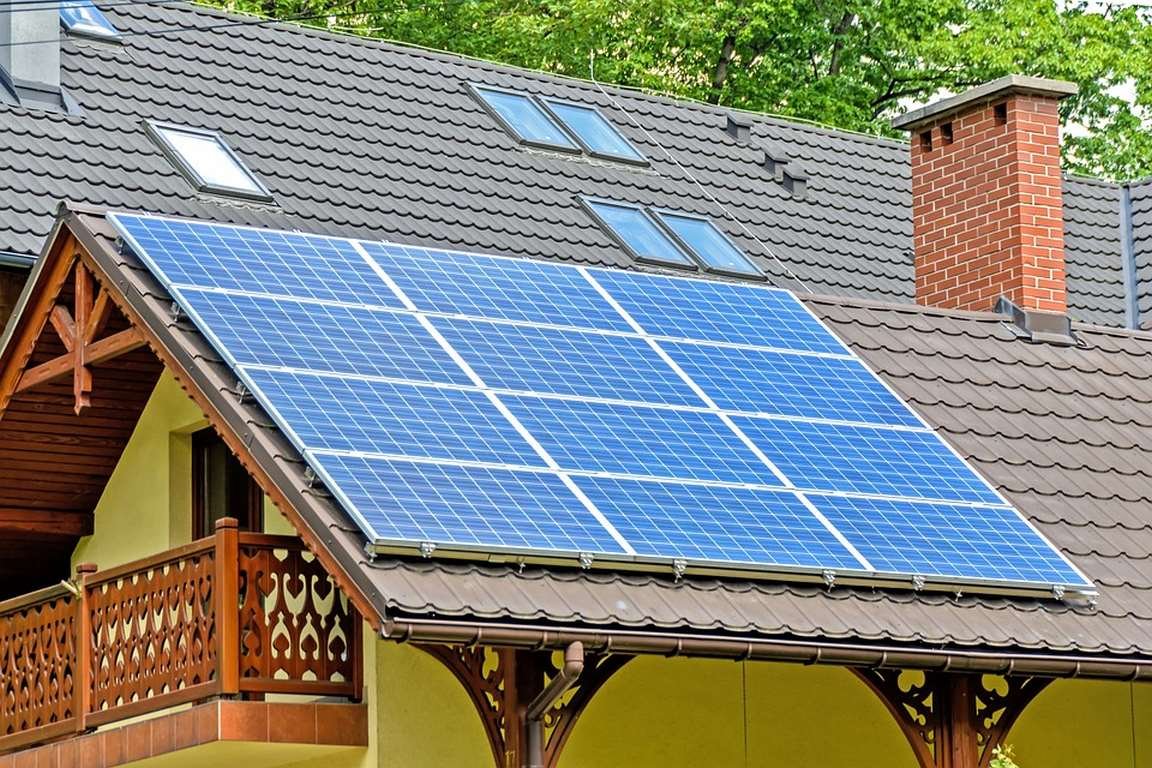
While converting your entire house to a self-sufficient solar-powered oasis may not be reasonable, adding a few solar panels as an alternative power source is a smart upgrade. Consider adding a few solar panels to heat your pool or light your home at night. It’s not much, but it does make a difference.
Tips for Eco-Friendly Upgrades
One important thing to remember when making eco-friendly upgrades is to avoid replacing something that doesn’t yet need to be replaced. For example, it makes no sense to replace your well-sealed, fairly recent asphalt shingles with a new metal roof. However, smaller changes — such as upgraded toilets and faucets — are well worth the investment now.
With these intentional improvements, you can add value to your home and contribute to protecting the environment at the same time.