Table of Contents Show
Concrete resurfacing can be a reasonably straightforward process. That said, it can be challenging to know which method is best suited for your particular needs.
That’s why we’ve put together this post on all the different ways of concrete resurfacing so that you can make an informed decision.
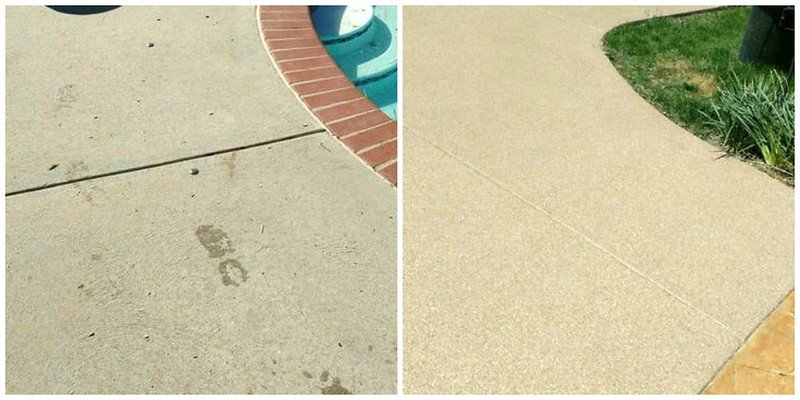
Just because your concrete needs some “hard love” doesn’t mean you’ll have to replace it.
Resurfacing concrete is the perfect way to breathe new life into a tired, old surface that needs minimal downtime while getting an all-new look.
JDL Surface Innovations has a fantastic line of concrete resurfacing products for customers to choose from.
Here are tips for selecting the suitable concrete resurfacing method for your project and staying within your budget.
Older Concrete vs. Newer concrete
The primary difference between older concrete and newer concrete is that they require different resurfacing methods.
Newer concrete has a much finer aggregate (which tends to crumble more easily), and it holds up better to weather. That being said, older concrete is still very easy to resurface.
Keeping Down Downtime
The worst part of resurfacing your concrete is waiting for it to dry. Some resurfacing methods can be done in as little as two hours, but others may take several days to dry.
Ideally, you’ll want to make sure you have a few days to wait for the surface to dry completely. Acid etching is the best and most effective way to resurface concrete. However, it can be costly and time-consuming.
Read Also:
Different Materials
It’s important to know which type of concrete you have before determining how to resurface it. There are four main types of concrete:
– Concrete with a thin (less than one inch) layer of decorative finish. These finishes tend to peel off when resurfacing, so acid etching is required.
-Concrete with a thin decorative finish and a slab of Hardie backer board. The Hardie backer board can be removed, and the decorative finish can’t.
– Concrete with a thick layer of decorative finish. The decorative finish needs to be acid-etched before resurfacing.
– Concrete with a decorative finish and no layer of Hardie backer board. The decorative finish can be removed without harming the concrete surface.
Methods that Work on Any Concrete Surface
There are a couple of methods that work on any concrete surface, regardless of treatment or texture. These methods tend to make the least dramatic difference with your concrete, but they are also the easiest and quickest to carry out.
Troweling
It’s pretty straightforward: you put a layer of concrete down and then use a trowel to smooth it out.
Troweling is a good option if you just want to slightly smooth down your concrete and don’t mind the texture. It’s quick, straightforward, and doesn’t require any special equipment.
Grinding and Sealing
This method does require a bit more money upfront, but you’ll get the most dramatic difference out of the different methods of concrete resurfacing.
It involves grinding down your concrete, sealing it, and then applying a new layer of surface material. Since the grinding will leave gaps in your concrete, this method is only recommended for surfaces where you aren’t looking to pour any other form of surface material.
Vacuum Grinding
This method involves vacuuming up your concrete, grinding it down, and then sealing it. This method can be costly compared to the alternatives, but the results will be worth it.
Methods That Only Work on a Smooth Concrete Surface
These methods work only on a smooth concrete surface, and they’ll leave the texture of the concrete intact. Of course, you can still sand or trowel or grind your surface if you choose to.
If you already have a smooth surface, then these methods are great for giving it an extra level of protection.
Sealing
This method is the simplest of the different methods of concrete resurfacing. It requires a special coating that will seal any small cracks in your concrete and keep it waterproof.
Although it doesn’t make the concrete any smoother, it does significantly increase the level of protection that your concrete has and helps keep things like mold from growing in those cracks.
Concrete Stencils
A concrete stencil is a series of connected strips that can be laid down over your concrete. Varying in thickness, you can choose from thin lines to thick and bold stripes.
Before you settle on any resurfacing product or method, make sure to identify your needs first.