Table of Contents Show
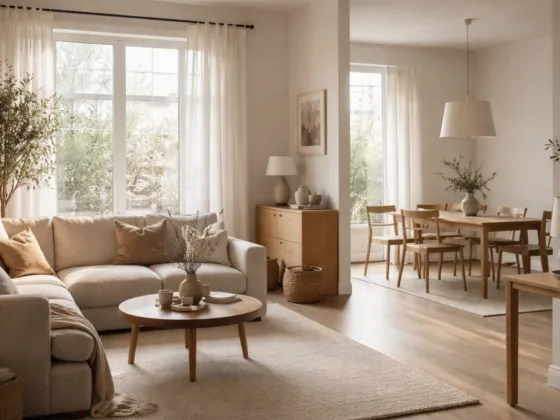
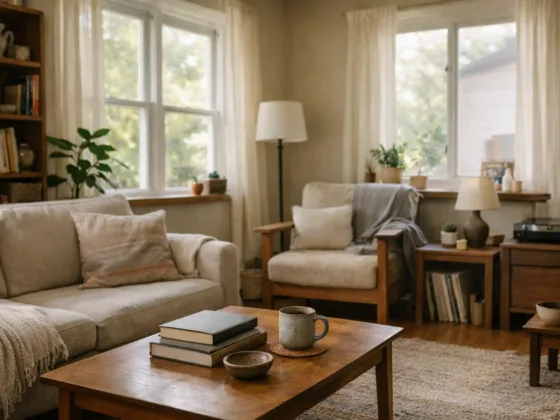
Most homeowners do not arrive at the idea of an extension all at once. The thought builds gradually. A dining table starts doing double duty as a workspace. Boxes accumulate in a spare room because there is nowhere else to keep them. Children who once shared a bedroom begin wanting privacy. A kitchen that felt perfectly adequate ten years ago becomes crowded whenever everyone ends up in the same room.
None of those changes seem particularly important on their own. Together, they create a growing sense that the house no longer supports daily life as comfortably as it once did.
Eventually the conversation shifts. Instead of rearranging furniture, buying more storage, or trying to squeeze another function into an already busy room, homeowners start asking bigger questions. Should they move somewhere else, or should they change the house they already have?
Moving sounds appealing until the practical realities start stacking up. Selling one property and buying another introduces legal costs, moving expenses, mortgage decisions, property searches, and the uncertainty that comes with leaving a familiar neighborhood behind. A larger house may solve one problem while introducing several others.
An extension offers a different route. Instead of adapting to a new property, homeowners adapt the existing one. The location stays the same. Daily routines remain familiar. Years spent learning which roads become congested, where to shop, which parks the children prefer, and how the neighborhood functions are not suddenly discarded.
That appeal explains why extensions remain popular, but popularity says very little about whether a project will succeed. Some renovations completely change how a home feels to live in. Others add considerable expense without removing the frustrations that inspired the project in the first place.
Square footage rarely determines the outcome. Two extensions of similar size can produce entirely different results depending on how the space is planned, connected, and used once construction is finished.
The House Isn’t Too Small. It No Longer Fits the Way You Live
“We need more space” becomes the shorthand explanation for a collection of smaller frustrations that have been building for years.
A room designed for occasional guests starts functioning as a storage area, home office, and spare bedroom at the same time. A kitchen built around a different generation’s routines struggles to accommodate modern family life. Formal dining rooms sit empty while other areas of the house feel permanently overcrowded.
The problem is not the number of rooms. It is the growing gap between how the house was designed and how people actually use it.
Instead of asking how much additional space should be added, homeowners can focus on identifying where the pressure points actually exist. Which room creates the most frustration? Which daily activities compete for the same space? Which areas of the home remain underused while others never seem large enough?
Those questions reveal far more than measurements on a floor plan. They identify the specific problems that need solving and make it easier to evaluate whether a rear extension, loft conversion, side addition, or internal reconfiguration deserves serious consideration.
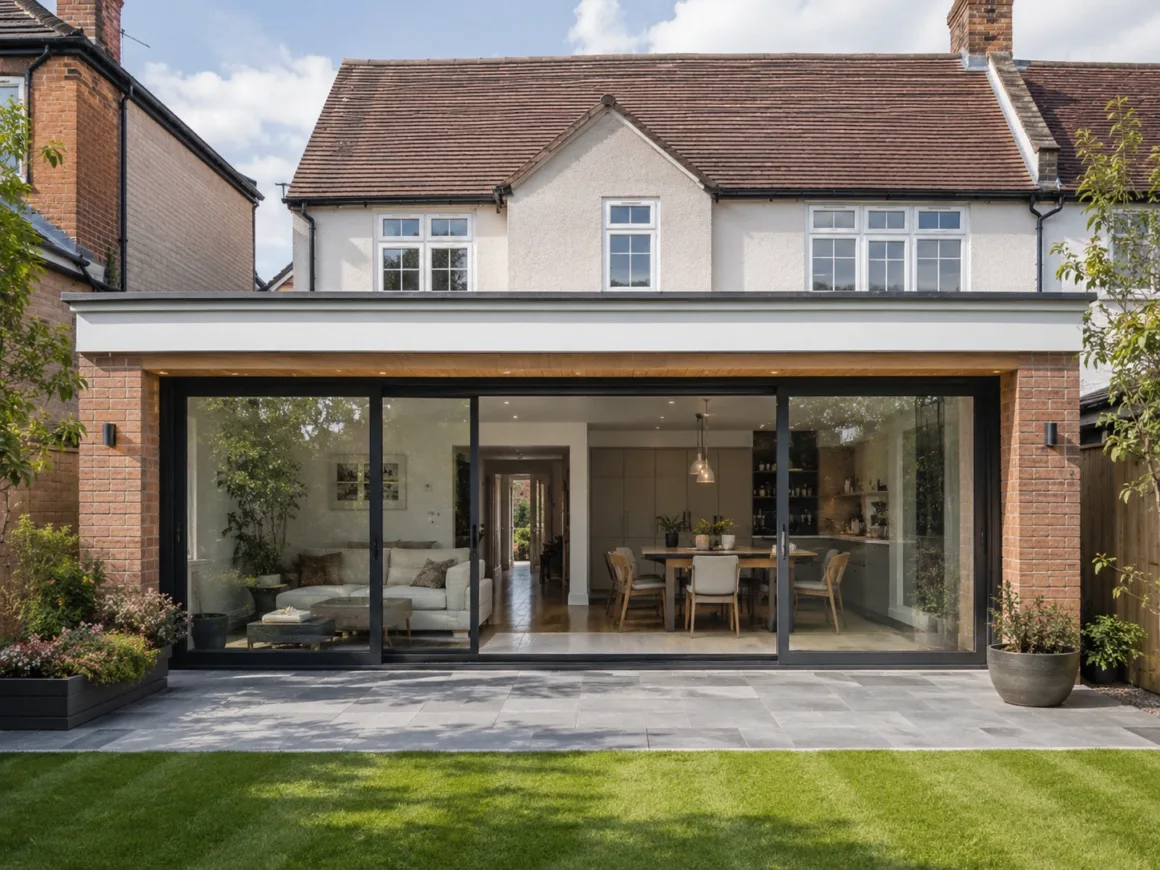
Each option changes the house in a different way. A rear extension solves different problems than a loft conversion. A side addition creates different opportunities than reworking an existing layout. Homeowners exploring those possibilities may find value in reviewing the different types of home extensions before committing to a specific approach.
The Mistake of Treating Square Footage as the Goal
Square footage attracts attention because it is easy to measure. Property listings highlight it. Valuations reference it. Construction budgets are commonly discussed in terms of cost per square foot.
People do not experience their homes as numbers on a floor plan.
They experience them through movement, comfort, convenience, natural light, storage, and the relationship between one room and another. Those qualities influence daily life far more than an abstract measurement.
The projects homeowners talk about most enthusiastically years later are not always the largest ones. In many cases, they are the projects that removed a daily irritation that had been bothering the household for years. A kitchen gains better flow. Storage appears where it should have existed from the beginning. A workspace finally becomes separate from family activity. Everyday routines become easier without anyone needing to think about them.
Larger extensions do not automatically produce the same outcome. Additional square footage can still leave homeowners with awkward circulation routes, disconnected rooms, dark interior areas, and layouts that feel strangely inefficient once the novelty wears off.
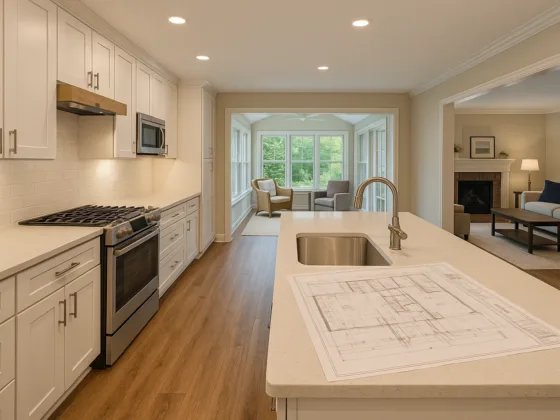
The kitchen exposes this problem better than almost any other room. Many homeowners assume they need a larger kitchen when the real issue involves storage, workflow, visibility, or poor connections between adjoining spaces. Similar planning challenges appear throughout extension projects, which is why many of the considerations discussed in this guide to kitchen remodeling projects remain relevant when evaluating larger structural changes.
Many disappointing extensions begin with measurements. Better projects begin with a clear understanding of what is making the house frustrating in the first place.
What Homeowners Notice After the Dust Settles
During construction, attention naturally gravitates toward budgets, schedules, and measurements. Those are the things everyone can see.
Months after construction crews leave, homeowners rarely think about how many square feet were added. They notice whether the kitchen feels less crowded during breakfast. They notice whether family members stop competing for the same space. They notice whether daily routines feel smoother than they did before.
Years later, homeowners rarely talk about the size of the extension. They talk about whether it improved everyday life. The projects they remember most clearly are usually the ones that removed a frustration they had quietly accepted for years. Storage finally exists where it is needed. A workspace no longer occupies the corner of a dining room. A gathering space feels comfortable rather than cramped.
Good extensions do more than add space. They remove friction. The difference sounds subtle, but it becomes obvious once people start living in the finished home.
The Costs People Underestimate Before Construction Begins
Most homeowners spend time researching construction costs. Fewer spend the same amount of time thinking about everything that surrounds construction.
Design revisions, engineering reviews, planning applications, surveys, temporary storage, landscaping repairs, utility adjustments, upgraded finishes, and unexpected discoveries behind existing walls all have the potential to influence the final budget.
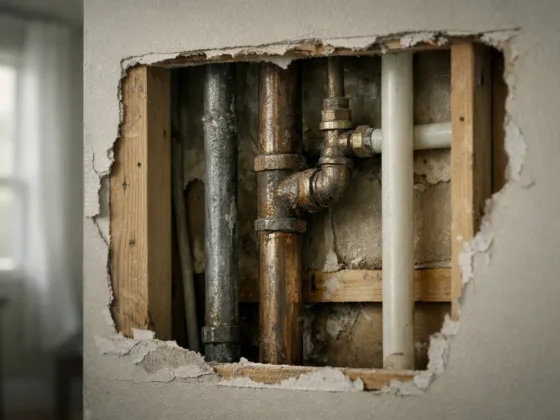
A wall comes down and reveals outdated wiring. Floorboards are lifted and expose moisture problems. An apparently simple structural change turns out to require additional support work. None of these discoveries are unusual. They are part of working with buildings that have evolved over decades.
The homeowners who navigate renovations most comfortably are rarely the ones with the largest budgets. They understand from the beginning that construction projects involve unknowns.
A renovation budget works best when it has room to absorb surprises without forcing major decisions halfway through the build.
The Structure of the House Gets the Final Vote
Homeowners naturally focus on how a new space will look. Builders, architects, and engineers spend much of their time thinking about what must happen behind the walls to make that vision possible.
Large openings require support. Roof alterations change load paths. Extensions affect foundations, drainage, utilities, and sometimes neighboring structures. What appears straightforward in a sketch can become considerably more complex once construction details enter the conversation.
That complexity is not a reason to avoid ambitious projects. It is a reminder that successful renovations depend on understanding the existing building before committing to major changes.
Projects involving substantial structural modifications benefit from professional engineering input. Homeowners considering wall removals, major openings, or significant roof changes can review this guide explaining when to call a structural engineer during a remodel.
The Wrong Contractor Can Undo a Good Plan
Homeowners spend countless hours comparing flooring samples, paint colors, countertops, fixtures, and cabinetry. Those decisions shape how an extension looks. The people building the project determine how it performs.
A good contractor spots problems early. A poor contractor creates new ones. The difference becomes visible long before the final coat of paint goes on the wall.
Communication matters just as much as technical skill. Renovation projects involve hundreds of decisions, large and small. Questions appear. Conditions change. Unexpected issues emerge once construction begins. Homeowners need people who explain problems clearly rather than hoping they disappear on their own.
Many homeowners compare previous projects, references, communication styles, and project management approaches before selecting experienced Builders Essex professionals for a significant renovation. The goal is not simply hiring someone who can build an addition. The goal is hiring a team capable of guiding a project from planning through completion without creating unnecessary stress along the way.
Most homeowners complete only a handful of major renovations during their lifetime. The people hired to carry out the work should treat that responsibility accordingly.
Five Years Later, Nobody Talks About the Square Footage
Ask homeowners about an extension five years after completion and the conversation rarely starts with dimensions.
They talk about how the house feels. They talk about having enough room for family gatherings. They talk about a kitchen that finally functions properly. They talk about storage that prevents clutter from taking over every available corner.
The extensions that age well feel as though they belong to the original house. Visitors assume they were always there. Daily routines flow naturally through them. Nothing feels forced.
That outcome is rarely the result of a single design decision. It comes from dozens of small choices made consistently throughout planning and construction. The finished space feels effortless because a great deal of thought went into making it that way.
When an Extension Is the Wrong Solution
Not every space problem should be solved with construction.
That may sound like an unusual statement in an article about extensions, but some properties have limitations that no amount of additional square footage can fix. A poor location remains a poor location. A difficult commute remains a difficult commute. A neighborhood that no longer fits a family’s priorities does not become more suitable because the kitchen is larger.
There are also situations where the investment required to achieve the desired result begins approaching the cost of moving elsewhere. At that point, homeowners face a different calculation. The question is no longer whether an extension is possible. The question becomes whether it still represents the most sensible use of time, money, and energy.
Properties with severe structural problems, highly restrictive site conditions, or layouts that resist meaningful improvement sometimes reach a point where renovation becomes an exercise in compromise. Every project involves compromise to some degree, but there is a difference between accepting a few limitations and spending heavily to create a result that still falls short of expectations.
The homeowners who make the best decisions are not the ones determined to extend at all costs. They are the ones willing to evaluate every option honestly before committing to a direction.
The Question Worth Asking Before Approving Any Plans
By the time drawings are complete, budgets are discussed, and construction timelines are being considered, many homeowners become focused on details.
How large should the extension be? Which materials should be selected? Where should windows be placed? What style of cabinetry makes the most sense?
Those decisions matter, but they sit downstream from a more important question.
What problem is this project supposed to solve?
That question sounds simple. In practice, it has a remarkable ability to expose weaknesses in a plan.
If the answer revolves around creating a better place for family life, supporting remote work, improving functionality, or making the property work more effectively for the people living there, the project already has a clear purpose.
If the answer revolves entirely around adding square footage because it feels like the thing homeowners are supposed to do, more planning may be needed before construction begins.
Floor plans rarely provide the first answer. They come after homeowners understand what is no longer working.
Frequently Asked Questions
Does a home extension always increase property value?
No. Property value is influenced by far more than additional square footage. Layout quality, natural light, functionality, construction standards, and overall integration with the existing home all play a role in how buyers perceive a property.
Should I move or extend my current home?
The answer depends on what is causing dissatisfaction with the property. If the issue involves location, commuting, schools, or neighborhood preferences, moving may provide a better solution. If the issue involves how the home functions internally, an extension may be worth exploring.
When should a structural engineer become involved?
Projects involving major wall removals, large openings, roof alterations, foundation concerns, or significant structural changes should be evaluated by a qualified engineer before construction begins.
Final Thoughts
Years after an extension is finished, very few homeowners remember the exact dimensions of the new room. What they remember is whether the house became easier to live in.
The projects that leave the strongest impression are rarely the ones with the largest footprint. They are the ones that solve problems that had been frustrating people every day. A crowded kitchen becomes functional. A home office gains privacy. Family members stop competing for the same space.
Successful extensions begin long before construction starts. They begin with an honest assessment of what is no longer working and a clear understanding of what needs to change.
When the goal is clear from the beginning, the extra space feels like the natural result of the project rather than its entire purpose.
Author & Editorial Review
Author: Perla Irish is a design and home improvement writer covering interior materials, everyday home decisions, safety-aware planning, and real-world performance.
Editorial Review: This article was reviewed by the DreamlandsDesign editorial team for clarity, accuracy, balanced explanations, safety awareness, real-world usability, and long-term relevance.