Table of Contents Show
Does every carpenter love to use a jigsaw? Yes, every carpenter or DIY worker loves to use it and they can’t think without a jigsaw.
Besides the many advantages, a carpenter may have problems with splints when cutting plywood or stuff.
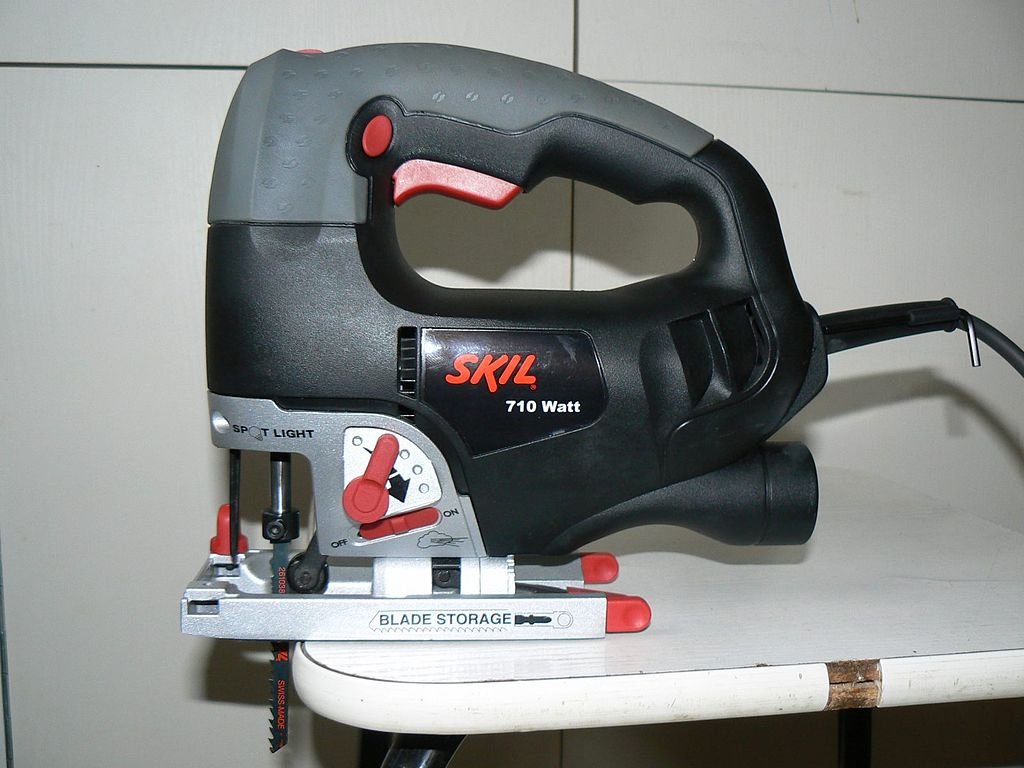
That’s why they are trying to find out the solution of how to cut plywood with a jigsaw without splintering.
Is it really possible? Yes! Of course. There are problems as well as solutions. So, we will tell you some tricks that you can follow to get rid of this kind of problem. Sounds cool, right?
Let’s discover the solution together.
What is Splintering?
Splintering is one kind of common problem for the carpenter that can occur when cutting plywood or stuff across the grain.
Wood is one type of fiber that extends according to its length. If you are a carpenter, you will see that the saw tries to cut the fiber in half when you try to crosscut a piece of wood.
Since wood fiber is quite flexible, it is most likely to separate if applied under pressure. Mostly the beginner is facing this type of problem.
Finding Out the Error of Being Splintering
Where there is a problem, there is a solution. So before solving the splintering, we have to find out the problems.
By doing this, we will be able to solve our problems. There are many reasons for splintering, but we will mention some special reasons here. Let’s have a look:
- This type of problem can occur if your saw blade is not of good quality.
- Relatively lower cutting speed.
- This type of problem can occur even if you are in a hurry to work.
- Wrong blade selection is also a cause for splintering. We need separate blades to cut wood and metal objects.
Getting Know: How to Cut Plywood without Splintering?
Every carpenter loves to cut plywood with a jigsaw because most of their work is incomplete without it. But there are many difficulties in using this type of saw.
The main problem is splintering. However, there are several tricks to solve such problems. If you practice those tricks well, then you will not have any such problem.
Read Also:
Picking The Right Blade
There are different tools for each job. So as a beginner, you need to know which device is for which job. When you go to cut plywood, you must know how to choose a blade.
If you want to get rid of such problems, then you must use a thin blade.
There are many types of blades available on the market, but a thin blade is most effective for cutting plywood. You should pick the best jigsaw blades for a perfect result.
Using a Splinter Guard
It is important to use this sprinter guard for those who have just joined as a carpenter. It is not a difficult task to use. Anyone from beginners to experts can use it.
A splinter guard is basically used to remove wicker very easily.
If you do not like manual systems, it would be better to use a splinter guard. A splinter guard will help you a lot in cutting plywood, and there will be no splinting problem.
Using Masking Tape
Masking tape is an alternative method of splinter guard. This method can only be used for the convenience of your work. When you go to cut plywood, it is very important to mark the wood surface properly.
That’s why you can usually use masking tape. For using masking tape, it will be easy to identify the exact line to cut. You can easily remove the masking tape at the end of the work.
Engraving on the mark
There are several manual methods for cutting plywood. This is the most popular manual method. A single knife is sufficient for cutting in this manner.
So, first, take a knife, then etch on the mark. You can start the next task when you see a spot you need.
Although it is a manual method, you will get very good results. You need to keep in mind that if the teeth are at the bottom, start cutting it from the bottom. And if the saw teeth are at the top, start cutting from the top.
Perfect speed level for better cut
If you can’t control the speed of a machine properly, you can’t cut wood efficiently. If you are a beginner, try with low speed, but your work will not be much better if you cut at low speed.
Usually, plywood cutting is advantageous if high-speed machines are starting from the mid-level. So to avoid splinting problems, you must keep the maximum speed of the machine.
More Tips For Cutting Plywood
You have to maintain your own safety while using any machine. The way you operate a machine will work exactly the same way. For this, you have to follow some precautions. Here are some safety tips that you should follow:
Tips 01: Wear a mask and goggles when you go to cut plywood. This will keep your eyes safe as you get rid of dust sticking to the wood.
Tips 02: It works only if a certain amount of pressure is applied to a machine. If you put too much pressure on your jigsaw, its teeth may break.
Tips 03: When you work with a jigsaw at home, your child will be curious after seeing it. This can lead to any kind of accident. So keep it away from your child.
Tips 04: Be sure to use oil or lubricant before you use your jigsaw. This will give your jigsaw a good performance, and you will also enjoy working.
Tips 05: Choose a dry place when cutting plywood with a jigsaw. Unexpected things can happen in wet places because it is an electric device.
Final word
Splintering is a common term for every carpenter. If you are involved with this type of service, then you know how painful it is.
But it is easy to escape from this kind of problem. Of course, you can get rid of this problem by following our rules. I hope, now, you know well how to cut plywood with a jigsaw without splintering.
We have come to the very end of the article. If you are interested in learning more about this, please email or comment to us.