Table of Contents Show
The first thing that you need to know about vacuum excavation work is how it works.
The general idea behind the process is quite simple, but the more in-depth technicalities of it are another matter entirely, which is why we are here to help you understand the ins and outs of this fascinating process.
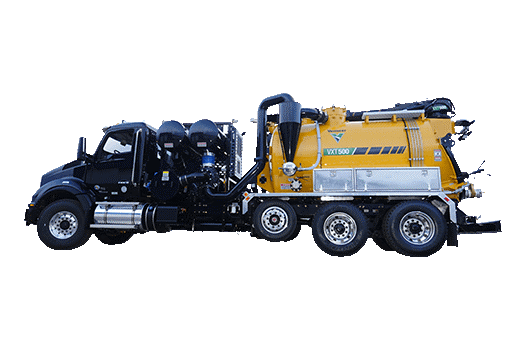
When it comes down to it, though, there are two different methods by which vacuum excavation work can be performed – by hand or with machines.
What Is Vacuum Excavation
Vacuum excavation, also known as soil suction, is a method of removing excess soil from a specific area. This method uses a tractor to pull an open-topped container through dirt and soil that can then be filled and transported in bulk containers to another location.
When purchasing used equipment, ensure you are looking at a small vacuum excavator or air vac. These machines have smaller working capacities than larger versions, which makes them perfect for residential jobs.
For more information about how to vacuum excavation works and what it can do for your business needs, contact us today!
Read Also:
What Is the Vacuum Excavator Used For
The need for vac trucks is usually dependent on the type of job that needs to be done. If you’re digging, digging, and digging deeper, you’ll likely need Vac Trucks. A small vacuum excavator won’t have enough power to dig out any substantial amount of dirt.
A large-scale job will require an excavator with additional tools like a backhoe or high-reach excavator. It all depends on how much material you need to move.
How deep do you need to go? How much do you need to move in one trip? These are just some questions to ask yourself when choosing between air and hydraulic trucks.
How Does Vacuum Excavation Work?
Air-Vac, which manufactures a range of commercial and industrial Air Vacuum Excavators, uses compressed air to pump out dirt and debris. The units are cost-effective as they don’t require power.
However, they can only be used when there is good access to an electrical supply, as they require a high volume of compressed air. They also have limited working time, meaning that it’s important to manage their use in order to avoid paying expensive overtime fees.
When you need to get your job done fast and on budget, then consider investing in one of these powerful machines.
What are The Benefits of Vacuum Excavation?
Vacuum excavation is one of many ways to safely remove debris from a site. It’s also an environmentally friendly way of handling materials.
Use air vac technology at your next job, and you may find that it’s easier, faster, more efficient, and safer than conventional methods—plus, your team will be less likely to strain or injure their backs while working on-site!
What are some other benefits of using vacuum excavation for job site cleanup? Take a look below: · Improved efficiency · Reduced labor costs · Fewer injuries · Less time spent hauling off excess material · Decreased environmental impact · Increased profitability.
What is The Average Rate for Vacuum Excavation?
By far, one of the most common questions we’re asked about air vacuums for sale is how much is the average rate for commercial-grade vacuum excavation.
In most cases, commercial rates are anywhere from $500-$2,000+ per day, depending on whether you’re using a walk-behind or rider-style unit. Keep in mind that these are just ballpark figures and really depend on each situation as well as your state and local laws.
Most companies will require some sort of estimate before they begin any project, so be sure to ask if you have any specific questions about how to get started with vacuum excavation.
Projects Requiring Vacuum Excavation
PROS AND CONS: Some projects that require vacuum excavation include large-scale earth moving, road construction, landfills, and utility projects. Vacuum excavation is an extremely efficient method of digging and can be used for a variety of different situations.
It allows a machine to move much faster than its size would otherwise allow because it has extremely low pressure along with no discharging force acting upon it.
For example, digging up landfill material helps to keep from disturbing or damaging surrounding areas by distributing soil in small quantities while keeping waste to a minimum.
Because of these factors, when compared to other methods, such as hydraulic excavators or backhoes, vacuums have many benefits as well as drawbacks.
Conclusion
Vacuum excavation work is a fairly new method of digging and takes a very different approach than that of traditional shovel excavators. This type of equipment uses high-powered vacuums to suck up dirt, which can then be deposited into trucks or onto conveyors.
The process works by using an Air Vac vacuum excavator for sale and sucking it through a hose connected to an underground pipe. The suction created by these machines allows workers to remove materials without having to lift them out of holes or trenches.