Table of Contents Show
Mold restoration involves the remediation of a mold or fungus-infested home.

This process consists of cleaning up the surface mold and putting air scrubbers into place to remove the excess spores.
If left untreated, surface mold can grow and colonize, ruining building materials and personal possessions. In addition, untreated surface mold or fungus will most likely return.
Mold Remediation
In order to properly treat fungus infestations, the first step is to determine what kind of fungus is present in your home. While some fungus is difficult to detect at an early stage, there are a number of signs to watch for. Depending on the type of fungus, you may need to get professional help or tackle the problem yourself.
The guidelines for fungus remediation are well laid out, so you should be able to find a reliable company and make an informed decision.
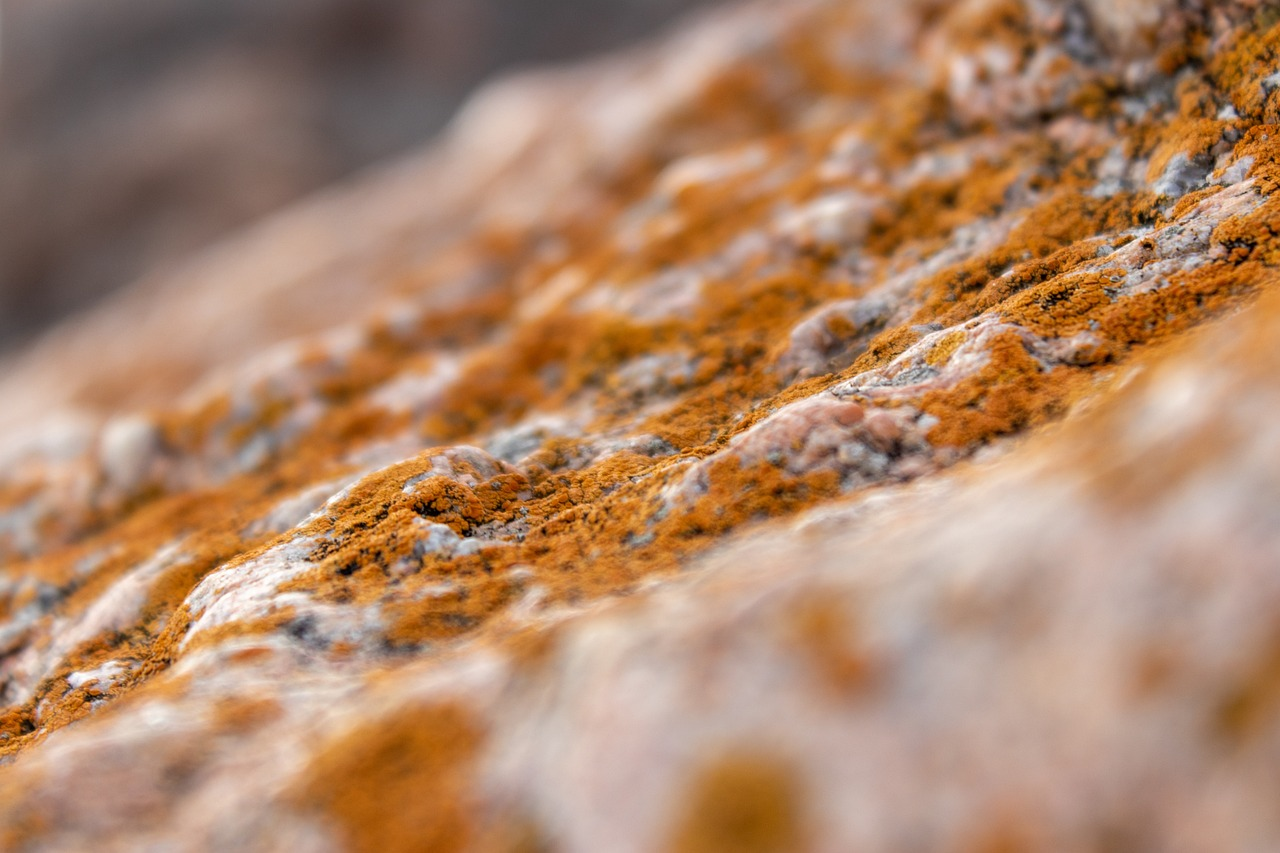
The process of fungus remediation involves removing infected materials and disinfecting the affected areas. Next, remediation technicians apply biocide/fungicide/fungicide solutions to combat the fungus growth. In addition, they will also address any issues with moisture in the area.
For example, they can repair loose bathroom fan ducts if they are impacted by fungus growth. Alternatively, they may hire a sub-contractor to handle these repairs.
Once the cleanup process is complete, fungus remediation experts will remove plastic sheeting and other materials from affected areas. They will also use a HEPA-approved vacuum cleaner to remove the remaining mold spores.
Read Also:
The Process
Then, they will use tools to maintain a proper humidity level in the home to prevent the growth of additional mold. While homeowners may think they can safely remove large areas of mold on their own, they are actually spreading it throughout the home. This method is highly unsanitary and can lead to further problems.
Though these types of infestations are rare, they aren’t uncommon. Most Americans will deal with an infection in their homes at one time or another, but that doesn’t mean it’s something that shouldn’t be handled immediately with utmost sincerity and seriousness.
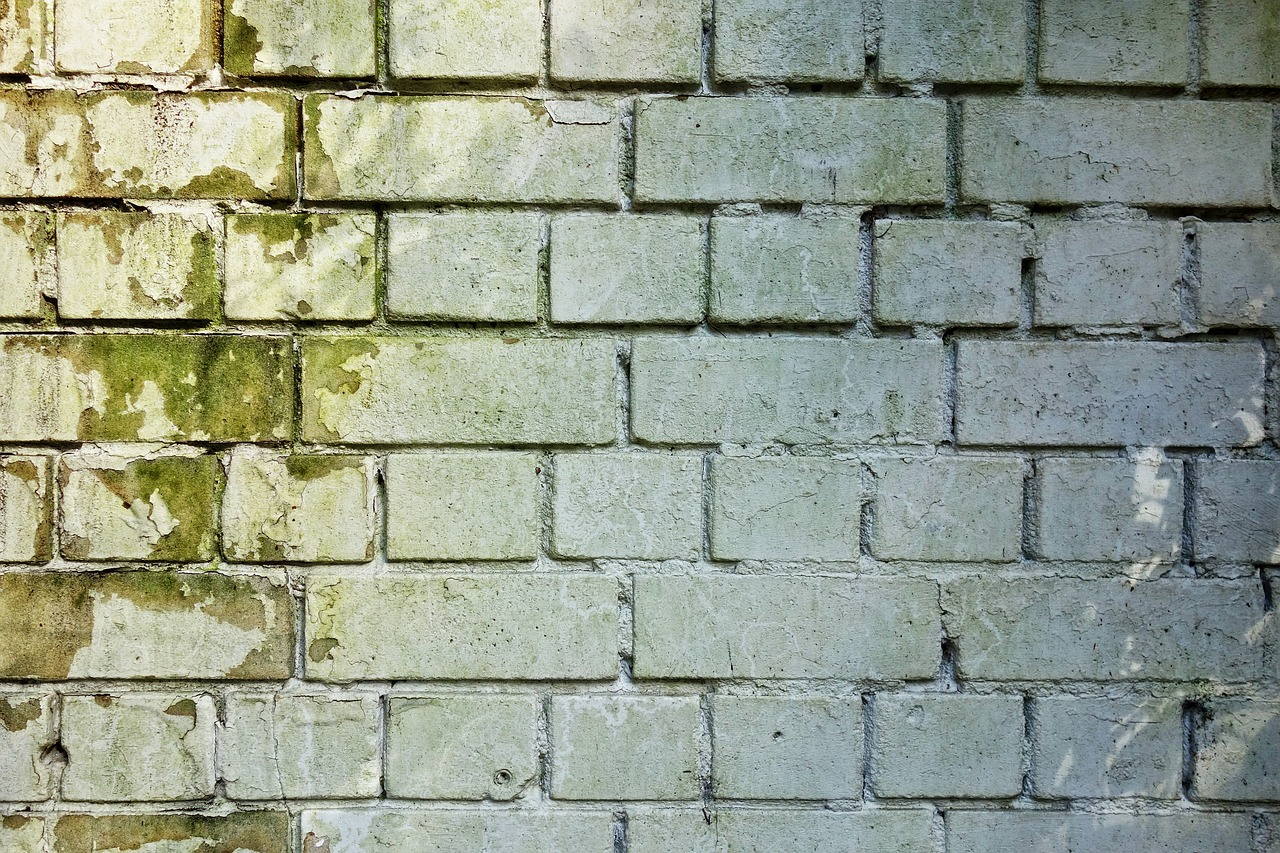
As such, it’s best to contact a professional remediation service to get the job done. You can then rest assured that your home will be cleaned properly and you’ll be able to breathe easily again.
The first step in fungus remediation is to find the source of the problem. It could be the cause of a leak or damaged pipe. If it’s the latter, you will need to hire a plumber to fix the leak.
The entire process may cost anywhere between $2,000 and $20,000. It’s also essential to remove the affected area as soon as possible. Once the fungus remediation process has begun, the fungus growth area is sealed off, running scrubbers and air cleaners, and disposing of the materials are. The next step is to relocate the affected area.
However, this decision will depend on the extent of the growth. If the fungus is too large, the home might have to be moved. This may cause some problems, such as noise. Additionally, continuous ventilation may make the home cold. Surface fungus usually grows in damp areas, such as walls and attics.
To remove surface fungus, you can use diluted chlorine bleach. A solution of one part bleach with two parts water will work well. After that, you should rinse the area thoroughly using clean water. You should also wear protective clothing and gloves. Before hiring a professional fungus remediation service, make sure the company has experience in the job.
Don’t Panic!
Check out the references of their previous work and ensure that they follow the guidelines laid out by the EPA and the ACGIH. If you can’t find a local company, ask a plumber for recommendations.
A fungus remediation team should be equipped with personal protective equipment that includes a respirator and goggles. This will help keep the fungus spores from spreading throughout the affected area.
The team should also be wearing a pair of rubber gloves that extend to the mid-forearm. Fungus remediation is important, and it is best to take the necessary steps quickly. The first step in mold remediation is to determine the source of the infestation. Spots and speckles on the ceiling and walls are common signs of the presence of mold.
While these spots and islands are likely to be a one-time occurrence, it is not a good sign of a widespread problem. Likewise, gray dots on a wall under cracked windows can signal a more extensive problem. Whole-house fungus remediation requires extensive cleaning and replacement of drywall and carpet, as well as replacing fabrics and furniture.
You may also need to address any sources of water damage. This entire fungus remediation can cost anywhere from $1,108 to $33,393. However, the cost will vary depending on your needs. If you suspect you have a mold problem, you should hire a professional mold remediation company.
When to Call a Professional
While the majority of homeowners can clean the visible fungus stain, large-scale fungus infestations will require professional help.
Calling someone like BrightHomeConstruction.com is recommended, as attempting to clean up the fungus by you can because the spores to spread and cross-contaminate the area around the fungus. In addition, removing mold can lead to a risk of health complications.
Professional mold remediation services are available for homes and businesses in New York City. A family-owned business, Servpro of Midtown Manhattan offers 24-hour emergency service. The Servpro team uses advanced equipment to remove the fungus from your home.
They also disinfect and restore the area. The team of specialists works in close proximity to your property, so there’s no need to wait until your home is completely devastated. A professional fungus removal company is required by law in order to complete fungus remediation.
Failure to hire a licensed fungus removal company may lead to hefty fines. The fines can range from $800 to $10,000. As a result, you must choose a licensed and trained company. In addition, you should choose a company that is licensed in your state.