Table of Contents Show
What aspects of looking for a new roofing material are most important to you? Considering that it’s one of the biggest investments in homeownership, you might say cost and durability. Or maybe you’re concerned with how your roof might look, given it is the pinnacle of your home.
Have you considered how your local climate might affect your decision though? If not, you’re in the right place. The greatest roofing materials for hot, cold, damp, and tropical regions are what we’re here to explain.
Roofing Materials for Hot Climates: Insulation and Heat Reflection
Among its many functions, your roof’s capacity to insulate your house and reflect sunlight are two of the most crucial in hotter regions. No matter how much you’re willing to pay for electricity, your air conditioner might still struggle to keep up.
The sun’s heat enters your house directly through the roof, depending on how well it blocks the rays. You don’t just solve this problem with an energy-efficient roof however, you’ll also see an increase in the longevity of your professional roof replacement.
Best Options: Metal and Tile Roofing
- Metal Roofing: Metal is an excellent choice for roofing in hot regions since, as you might expect, it is a highly reflective material. In addition to being reflective, the base material is frequently covered in other heat-reflective substances. With proper maintenance, metal roofs may last up to 70 years, which makes them a smart investment compared to other materials.
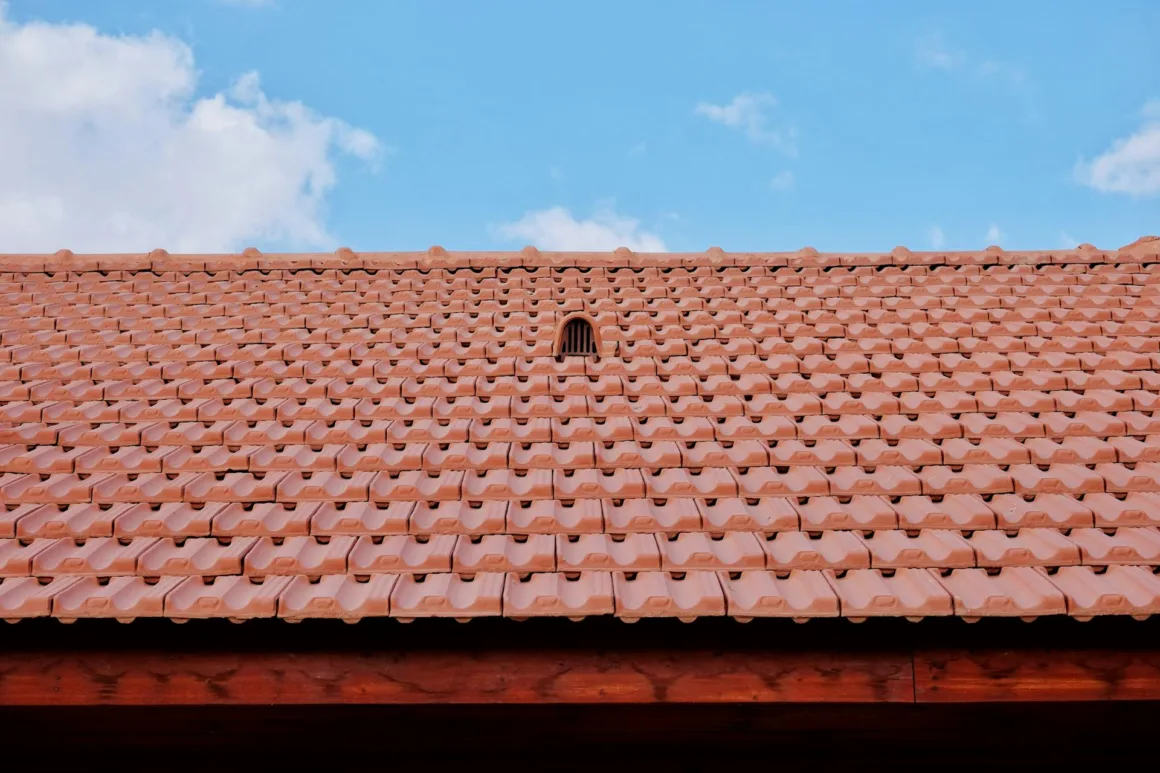
- Tile roofing: Concrete and terracotta roofing tiles are other great options for climates like these. By lowering the amount of heat transfer through the roof, their inherent insulating qualities aid in maintaining consistent interior temperatures. In addition to being incredibly resilient, tile roofs can come with a variety of coatings that assist in reflecting sunlight even more.
Roofing for Cold Climates: Resistance to Snow and Freeze
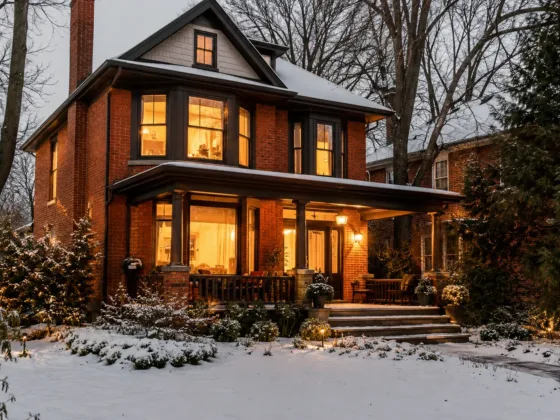
Roofs in frigid climates also experience snow, ice, and freezing temperatures during the winter, not just you and your loved ones. The best materials must endure a harsh cycle of freezing and thawing, bear the additional weight of snow, and keep ice dams from accumulating around your home’s perimeter.
Best Options: Metal and Asphalt Shingles
- Metal roofing: Depending on the pitch of your roof, the smooth surface of metal can allow snow to simply slide right off. This minimizes accumulation and can prevent leaks and damage. It will also handle freeze-thaw cycles better than other roofing materials.
- Asphalt Shingles: When installed properly, even traditional asphalt shingles make a great cold-climate roofing material. They offer great insulative properties, and some have improved freeze-resistant technology, lowering the chance of damage. Adequate ventilation is imperative to preventing ice dams, however.
The Best Options for Wet Climates: Mold and Moisture Resistance
You are aware of the dangers mold and mildew pose to your house and health if you live in a location with frequent rainfall and humidity levels as high as 60% or 70%. You need a roofing material that will keep water out and stop dangerous organisms from being unwanted guests.
Best Options: Tile, Metal, and Flat Roofing
- Tile roofing: In wet areas, both clay and concrete tiles function well because of their great moisture resistance. Tile’s fundamental design naturally encourages water runoff, and its resistance to mold encourages longevity of 50 years or more.
- Metal roofing: When installed at the optimum pitches, metal roofing may allow water to glide off easily and is inherently resistant to mold and mildew. In a similar vein, metal roofs are very resistant to moisture and can stop it from entering your house and causing serious damage.
Wind and Salt Resistance: Roofing for Coastal and Tropical Areas
You are all too familiar with hurricanes if you live on a coast in the eastern United States. Even though mild storms are common, occasional outliers with sustained winds of more than 155 MPH have the potential to do significant damage.
As you might imagine, it takes a pretty sturdy roofing material to stand a chance against a breeze like that, not to mention one that can resist the salty air even when things are calm.
Best Options: Tile and Storm-Rated Asphalt Shingles
- Tile roofing: This material is one of the hardest to install, but when done right, it can sometimes endure winds of up to 180 MPH. Given roofing tiles are often made from natural materials like terracotta, and can feature protective coatings, they are also one of the most resistant options for salt.
- Storm-Rated Asphalt Shingles: While not all asphalt shingles can handle life on the coast, some varieties are rated specifically for strong storms. These materials feature reinforced adhesives and impact resistance and can feature similar salt-resistant coatings.
Balancing Climate Needs with Cost and Maintenance
Budget, long-term maintenance requirements, and climate requirements must all be carefully considered when choosing a roofing material. Although they are more expensive initially, metal and tile roofs typically provide better longevity and climate-specific benefits. On the other hand, asphalt shingles are less expensive and, when installed according to the right standards, can still offer strong protection in regions that are prone to cold and storms.
Investing in mold-resistant materials and waterproofing can ultimately save homeowners in coastal or rainy locations money and hassle. Homeowners can guarantee their roofs function efficiently, reduce energy expenses, and offer long-lasting protection from the weather by matching roofing materials with the local environment. If you’re ready to showcase your property and attract the right buyers, consider posting a property ad to reach a wider audience.
Author‘s Byline: Dmytro Zubenko is a seasoned content creator specializing in home improvement and roofing. His writing equips homeowners with the knowledge they need to make informed decisions about their renovation projects. As a result, Dmytro’s content is both engaging and educational, guiding countless readers through the complexities of home improvement.
FAQ:
The best roofing materials for hot climates are metal and tile roofing. Metal is highly reflective and can last up to 70 years with proper maintenance. Tile roofing, made from concrete or terracotta, also helps maintain consistent interior temperatures due to its insulating properties.
In cold climates, metal, and asphalt shingles are the best roofing materials. Metal roofs allow snow to slide off easily, minimizing accumulation and preventing leaks. Asphalt shingles, when installed properly, offer great insulation and some have improved freeze-resistant technology, making them a solid choice as well.
For wet climates, tile, metal, and flat roofing are excellent choices. Tile roofing, both clay and concrete, is moisture-resistant and promotes water runoff. Metal roofing is inherently resistant to mold and mildew, making it effective in preventing water damage when installed correctly.
In coastal areas, tile and storm-rated asphalt shingles are ideal. Tile roofing can withstand winds of up to 180 MPH and is resistant to salt, while storm-rated asphalt shingles are designed with reinforced adhesives and impact resistance to handle strong storms and salty air.
When choosing a roofing material, consider budget, long-term maintenance, and climate requirements. While metal and tile roofs may have higher initial costs, they offer better longevity and climate-specific benefits. On the other hand, asphalt shingles are more affordable and can still provide adequate protection if installed correctly. Investing in mold-resistant materials can save money and reduce hassle in the long run.