Table of Contents Show
A kitchen shapes more than how a home looks. It changes how a home feels to live in.
Some kitchens quietly reduce friction in everyday life. Cooking feels easier, storage makes sense, lighting works when it should, and movement through the space feels natural. Others look impressive at first glance but become frustrating after a few weeks of daily use.
That difference matters for more than convenience. A kitchen influences how buyers perceive a property, how families use shared space, and whether a renovation feels worthwhile years later.
The strongest kitchen upgrades rarely come from chasing trends. They come from design decisions that improve usability, reduce visual clutter, and make the home feel easier to live in every day.
Why the Kitchen Has an Outsized Impact on Property Value
Few spaces affect buyer perception as quickly as the kitchen.
People may forgive dated bedrooms or older flooring, but kitchens carry emotional weight. Buyers immediately imagine preparing meals, hosting family gatherings, or managing weekday routines in that space. If the layout feels awkward or the room appears disconnected from daily life, the entire house can feel harder to justify.
This explains why kitchen renovations consistently rank among the most influential home improvements for resale appeal. For homeowners planning upgrades, understanding what actually matters before remodeling a kitchen can prevent expensive decisions that look impressive but feel frustrating to live with. The goal is not creating the most expensive kitchen in the neighborhood. The goal is creating a kitchen that feels intentional.
A thoughtful kitchen quietly signals that the home has been cared for beyond surface-level updates. Storage feels intentional. Lighting works where it matters. Materials look chosen to last rather than simply follow trends.
The Difference Between an Expensive Kitchen and a Valuable One
An expensive kitchen does not automatically become a valuable one.
A kitchen filled with premium finishes can still feel inconvenient. Oversized islands that interrupt movement, decorative lighting that creates shadows, or luxury surfaces that stain easily may look attractive in photos but create everyday frustration.
Value comes from functionality first.
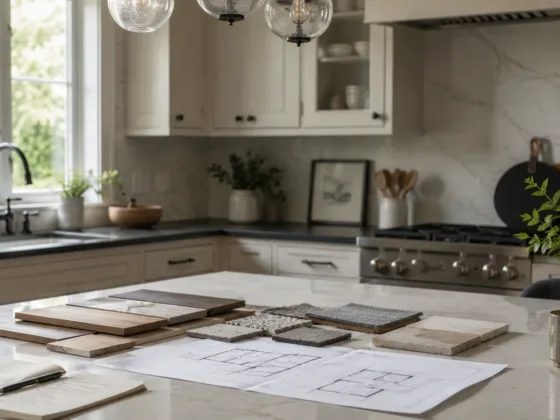
This is where professional planning becomes important. Many homeowners focus on finishes before thinking through movement patterns, storage needs, or how the kitchen supports actual routines. Experienced designers usually start somewhere else: movement, routines, storage pressure, and how the room actually gets used.
Luxury matters, but kitchens age better when usability comes first. For homeowners comparing approaches, discussions around how kitchen interior designers blend functionality with luxury help illustrate why practical decisions usually outperform purely decorative upgrades.
In practice, most of those decisions become visible through layout. Materials matter. Finishes matter. Yet the way a kitchen moves often determines whether the space feels effortless or frustrating six months later.
Layout Decisions Have the Biggest Everyday Impact
Most people notice countertops and cabinets first. Yet layout quietly determines whether a kitchen feels comfortable or exhausting.
A kitchen that forces unnecessary movement creates friction every single day. Reaching across crowded walkways, bumping into appliance doors, or constantly working around awkward spacing becomes mentally tiring over time.
Small layout improvements often create bigger real-world benefits than expensive cosmetic changes.
- Creating clearer walking paths between cooking zones
- Improving countertop workspace near prep areas
- Expanding practical storage rather than decorative shelving
- Adding seating that supports conversation without disrupting movement
- Increasing natural light wherever possible
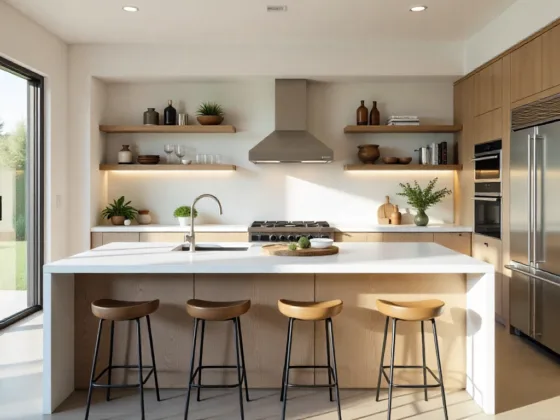
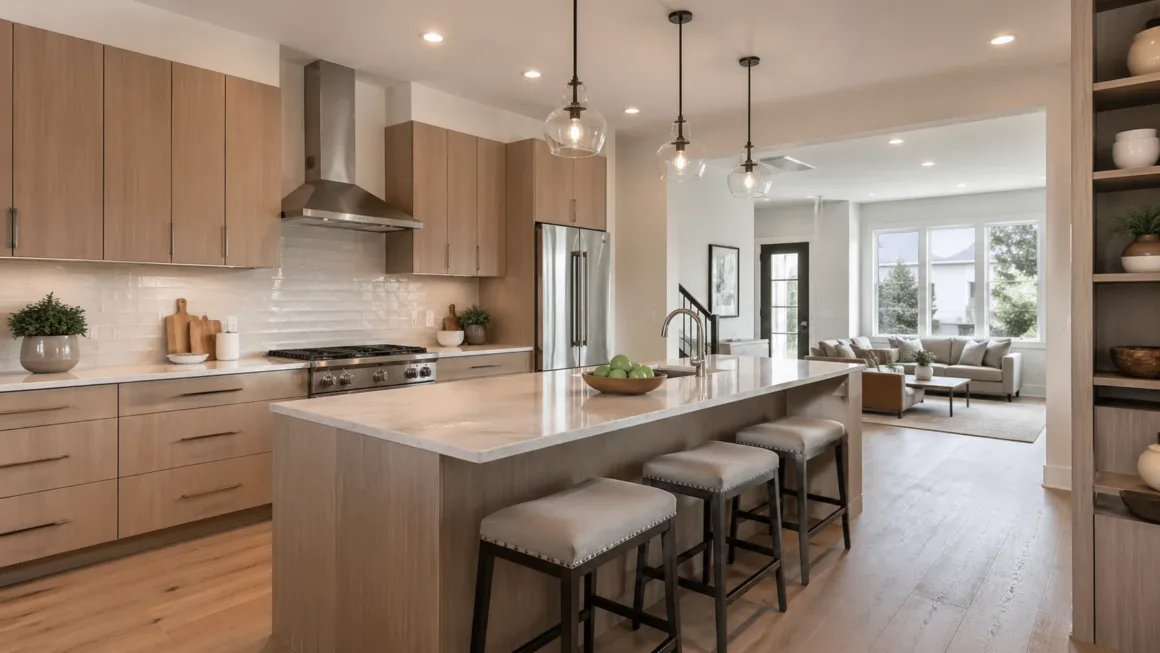
Open layouts continue to appeal because they support how households actually function. Cooking, conversations, homework, and casual gatherings increasingly happen in shared spaces rather than separate rooms. In some homes, even relatively small changes such as opening kitchen walls can dramatically improve flow and natural light.
Materials Matter More Than Trends
Some kitchen materials age gracefully. Others begin showing wear surprisingly fast.
When homeowners think about long-term value, durability deserves as much attention as appearance. Kitchens experience daily wear from moisture, heat, spills, impacts, and repeated cleaning. Surfaces that look beautiful but struggle under daily use can quickly become disappointing.
Quartz countertops remain popular because they balance durability with relatively low maintenance. Natural stone appeals to homeowners who value character and variation, though upkeep expectations vary depending on material choice.
Cabinet quality also shapes long-term satisfaction. Poor storage design creates clutter no matter how attractive finishes appear. Deep drawers, hidden organization systems, and layouts designed around daily habits usually outperform purely aesthetic upgrades. Material selection matters too, especially when comparing the best materials for kitchen cabinets for durability and everyday wear.
Lighting Quietly Changes How a Kitchen Feels
Lighting quietly changes how a kitchen behaves during everyday life.
A beautiful kitchen can feel cold, cramped, or impractical simply because lighting was treated as an afterthought. At the same time, an ordinary kitchen often feels noticeably better when light supports how the room is actually used.
The strongest kitchens rely on layered lighting rather than a single overhead fixture. Choosing the best lighting for a modern kitchen often changes how functional the room feels during cooking, cleanup, and everyday routines.
- Task lighting improves visibility during food preparation and cooking
- Ambient lighting helps the room feel balanced and comfortable
- Accent lighting highlights design features without overwhelming the space
Natural light also changes perception dramatically. A kitchen with strong daylight often feels larger, cleaner, and more inviting even when square footage stays exactly the same.
This explains why layout changes that improve window access or visual openness frequently outperform decorative upgrades in terms of everyday satisfaction.
What Buyers Actually Notice in a Kitchen
Buyers rarely evaluate kitchens the same way contractors or designers do.
Most people are not analyzing cabinet joinery or technical installation details during a showing. Instead, they react emotionally to whether the kitchen feels easy to live with.
Most reactions happen quickly:
- Does the space feel open or cramped?
- Would cooking here feel stressful or comfortable?
- Is there enough storage for real life?
- Could family or guests comfortably gather here?
- Does the kitchen feel updated without looking overly trendy?
Kitchens that answer those questions positively usually leave a stronger impression than kitchens built around flashy upgrades alone.
In many homes, moderate upgrades outperform expensive remodels simply because they solve daily frustrations instead of decorating around them.
Common Kitchen Mistakes That Hurt Everyday Living
Some renovation choices look smart during planning but become frustrating later.
The most common problem is prioritizing visual trends before daily routines.
- Oversized islands that interrupt movement
- Open shelving that creates visual clutter
- Insufficient electrical outlets in prep zones
- Minimal storage designed around appearance rather than usability
- Statement lighting that sacrifices visibility
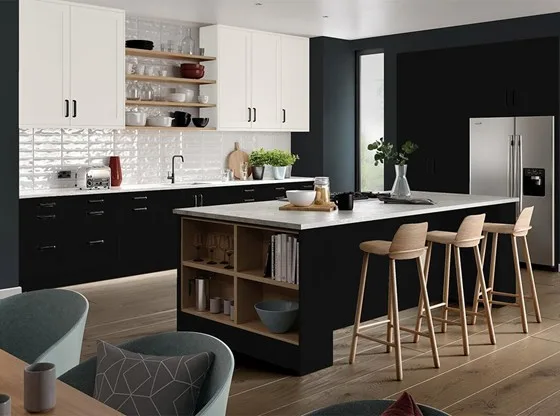
- Dark finishes that make kitchens feel smaller or harder to maintain
None of these choices automatically ruin a kitchen. The issue appears when aesthetics consistently overpower practicality.
Homes function best when kitchens reduce stress instead of creating more decisions, more maintenance, or more friction during ordinary routines.
Designing Around Lifestyle Instead of Trends
The best kitchens reflect how people actually live.
A household that entertains frequently usually prioritizes seating and open circulation. Families with children benefit from durable surfaces, generous storage, and layouts that tolerate constant movement. Homeowners who prefer calmer spaces often lean toward concealed storage and visual simplicity.
The strongest kitchens feel personal without becoming difficult for future buyers to understand.
That balance matters because highly specific design choices sometimes reduce broad appeal later. Neutral foundations paired with practical upgrades usually age better while supporting changing needs over time.
Why Thoughtful Kitchens Hold Their Value Longer
Kitchens influence everyday quality of life in ways people usually notice only after living with a space for months or years.
A kitchen that supports routines, reduces clutter, improves movement, and feels comfortable to spend time in creates lasting satisfaction. Those same qualities also strengthen buyer perception when it comes time to sell. In many cases, kitchens work alongside other home upgrades that add value when buyers assess the overall condition of a property.
The kitchens people remember rarely feel perfect. They feel easy to live in. That difference quietly shapes everyday routines—and property value.
FAQ
Does kitchen design increase property value?
Yes, kitchens strongly influence buyer perception. Layout, storage, lighting, and durable materials usually matter more than expensive finishes alone.
What kitchen upgrades add the most value?
Functional upgrades such as better layout, storage improvements, layered lighting, durable countertops, and practical cabinetry generally create the strongest long-term value.
What makes a kitchen feel luxurious and functional?
A kitchen feels luxurious when aesthetics support usability. Clear movement paths, strong lighting, organized storage, and durable materials usually outperform decorative upgrades alone.
Is an expensive kitchen always worth it?
Not necessarily. Expensive finishes do not automatically improve daily usability or resale appeal if the layout and functionality create friction.
Author & Editorial Review
Author: Perla Irish is a design and home improvement writer covering interior materials, everyday home decisions, safety-aware planning, and real-world performance. Her work focuses on practical clarity, homeowner usability, and long-term value rather than short-term design trends.
Editorial Review: This article was reviewed by the DreamlandsDesign editorial team for clarity, accuracy, balanced explanations, safety awareness, real-world usability, and long-term relevance.
Last updated: May 2026