Table of Contents Show
Insulated Concrete Form (ICF) homes are revolutionizing the construction industry. They offer a unique blend of strength, energy efficiency, and sustainability. But what exactly are ICF homes? Let’s dive in.
Quick Tips for Building an ICF Home
Before we explore the details, here are some key tips to keep in mind when building an ICF home:
- Work with experienced ICF contractors
- Carefully plan your design to maximize ICF benefits
- Consider local building codes and regulations
- Factor in the initial higher cost versus long-term savings
- Don’t skimp on waterproofing
Understanding ICF Construction
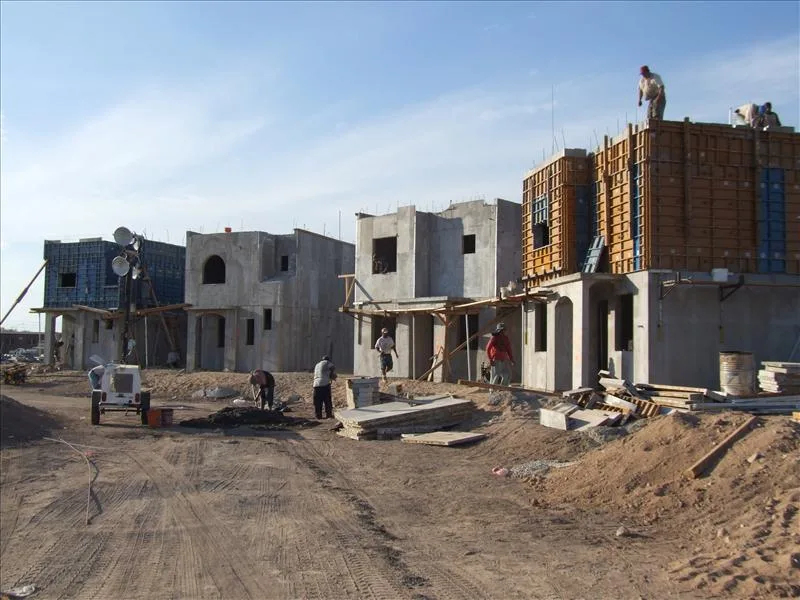
ICF stands for Insulated Concrete Forms. It’s a system of construction using hollow foam blocks stacked like Lego pieces. These blocks are then filled with reinforced concrete. The result? A solid, well-insulated structure.
The Basics of ICF Blocks
ICF blocks typically consist of two layers:
- Expanded polystyrene (EPS) foam
- Plastic webbing to hold the foam together
The foam provides insulation. The webbing creates a framework for the concrete. It’s a simple yet effective design.
The Construction Process
Building an ICF home involves several steps:
- Stacking the ICF blocks
- Installing reinforcement (rebar)
- Pouring concrete into the forms
- Allowing the concrete to cure
- Finishing the interior and exterior walls
It sounds straightforward, and in many ways, it is. But it requires precision and expertise.
Advantages of ICF Homes
ICF homes offer numerous benefits, so let’s break them down.
Energy Efficiency
ICF walls provide superior insulation. They can significantly reduce heating and cooling costs. How much? Some homeowners report savings of up to 70% on energy bills. That’s substantial.
Durability and Strength
Concrete is strong. We all know that. But ICF homes take it to another level. They can withstand:
- High winds
- Earthquakes
- Fire
This makes them ideal for areas prone to natural disasters.
Sound Insulation
Love peace and quiet? ICF homes excel at blocking out external noise. The thick walls absorb sound effectively. It’s like living in your peaceful bubble.
Environmental Benefits
ICF construction is more eco-friendly than you might think:
- Reduced energy consumption means lower carbon emissions
- The materials are often made from recycled content
- ICF homes have a longer lifespan, reducing waste over time
It’s a win for your wallet and the planet.
Challenges and Considerations
It’s not all roses, though. ICF construction has its challenges.
Initial Costs
Upfront, ICF homes can be more expensive. They typically cost 5-10% more than traditional wood-frame houses. This higher initial investment often surprises potential builders. Let’s break down why:
- Material Costs: ICF blocks are pricier than traditional framing materials. The specialized foam forms and concrete contribute significantly to the cost.
- Labor: ICF construction requires skilled workers. Their expertise comes at a premium. You’re paying for precision and experience.
- Equipment: Specialized tools and machinery may be needed. This can increase construction costs.
- Design Complexity: ICF homes often require more detailed architectural and engineering plans. This adds to pre-construction expenses.
However, it’s crucial to consider the long-term financial picture:
- Energy Savings: ICF homes are incredibly energy-efficient. Many homeowners report 30-70% reductions in energy bills. Over time, this adds up.
- Insurance Breaks: Some insurance companies offer lower rates for ICF homes due to their durability and disaster resistance.
- Maintenance Savings: ICF structures require less maintenance over time. This means fewer repair costs down the road.
- Resale Value: ICF homes’ energy efficiency and durability can increase their resale value.

Specialized Labor
Not all contractors are familiar with ICF construction. You’ll need to find experienced professionals. This can be challenging in some areas.
Design Limitations
ICF walls are thick, typically ranging from 8 to 12 inches. This can impact your home’s design in several ways:
- Interior Space: You might lose some interior square footage compared to traditional construction. For a 2,000 sq ft home, this could mean losing 50-100 sq ft of living space.
- Window and Door Openings: The thick walls require special window and door installation consideration. You’ll need extended jambs and sills.
- Curved Walls: While possible, creating curved walls with ICF is more challenging and expensive than with traditional framing.
- Exterior Aesthetics: The thickness of ICF walls can affect the home’s exterior appearance, potentially limiting certain architectural styles.
However, many homeowners feel the benefits outweigh these drawbacks. Creative architects can work around these limitations, often turning them into design features. For example, deep window sills can become cozy reading nooks. The solid walls also provide excellent soundproofing between rooms.
It’s important to work with an experienced ICF designer who can maximize the system’s advantages while minimizing its constraints. With thoughtful planning, you can create a unique, comfortable, and efficient home that doesn’t feel limited by its construction method.
Design Options for ICF Homes
Don’t think ICF homes are all concrete-bunker look. Far from it!
Exterior Finishes
You have numerous options:
- Brick
- Stone
- Stucco
- Siding
Your ICF home can look just like any other house on the block. Or stand out, if that’s your preference.
Interior Design
Inside, ICF homes offer flexibility. The walls can be finished with:
- Drywall
- Plaster
- Exposed concrete (for an industrial look)
You’re not limited in your interior design choices.
Maintenance and Long-Term Care
ICF homes are low-maintenance. The concrete core is protected from the elements. This means:
- No risk of rot
- No termite problems
- Less wear and tear over time
You’ll spend less time and money on upkeep. More time for living, less for maintaining.
Is An ICF Home Right for You?
Consider an ICF home if:
- You value energy efficiency
- You live in an area with extreme weather
- You’re looking for a durable, long-lasting home
- You don’t mind a higher upfront cost for long-term savings
It’s not for everyone. But for many, it’s an excellent choice.
The Future of ICF Construction
ICF technology is evolving. We’re seeing:
- Improved block designs
- Better insulation materials
- More efficient construction techniques
The Future Looks Bright for ICF Homes
ICF homes offer a unique combination of strength, efficiency, and sustainability. They’re not the cheapest option upfront. But they can provide significant long-term benefits. As with any major decision, do your research. Consult with experts. Consider your specific needs and circumstances. An ICF home might be the perfect solution for your next build.
Remember, a home is more than just walls and a roof. It’s where you’ll create memories, find comfort, and build your life. Choose wisely. And if an ICF home aligns with your values and needs, it could be an excellent investment in your future.