Table of Contents Show
Quick Answer: Start by deciding exactly how you want to use your outdoor living space—relaxing, eating, cooking, kids’ play, or all of the above. Then sketch simple “zones” and connect them with clear paths. Invest first in safe, durable hardscaping, drainage, and utilities, add comfortable weather-resistant furniture and layered lighting, and finish with plants, privacy, and fencing that suit your climate, budget, and local rules.
Most of us don’t wake up one morning with a perfectly designed backyard. It usually starts with something small: a plastic table on a concrete slab, a grill pushed against the wall, a couple of pots that may or may not survive the season. Then one day you realize, “We’re out here all the time… this should feel like an actual room.”
Designing an outdoor living space is how you turn that thought into something real. Instead of random furniture and plants, you’re creating an extension of your home where people naturally gather, move, and relax. A thoughtful layout can boost resale value and make listing photos stand out, but the biggest win is usually the simplest: you actually enjoy your yard more.
This guide takes you through outdoor living step by step—function, layout, materials, lighting, greenery, privacy, and fencing. Along the way, you’ll see where a DIY approach makes sense, when it’s worth bringing in pros, and how to phase projects so you don’t burn through the whole budget in a single season.
The Foundations of Outdoor Living Space Design
A great outdoor living space doesn’t start with shopping for furniture. It starts with a pencil sketch and a few honest questions about how you live. That’s true whether you have a narrow city yard or a deep suburban lot big enough for half the neighborhood.
Planning Your Space: Function, Flow, and Zoning
Before you think about pavers or pergolas, make a simple list of what you want this space to do for you over the next few years:
- Slow weekend coffees and quiet reading?
- Birthday parties, game nights, and big family dinners?
- Serious grilling or a full outdoor kitchen?
- Safe play space for kids or pets?
- A small garden, plunge pool, or hot tub?
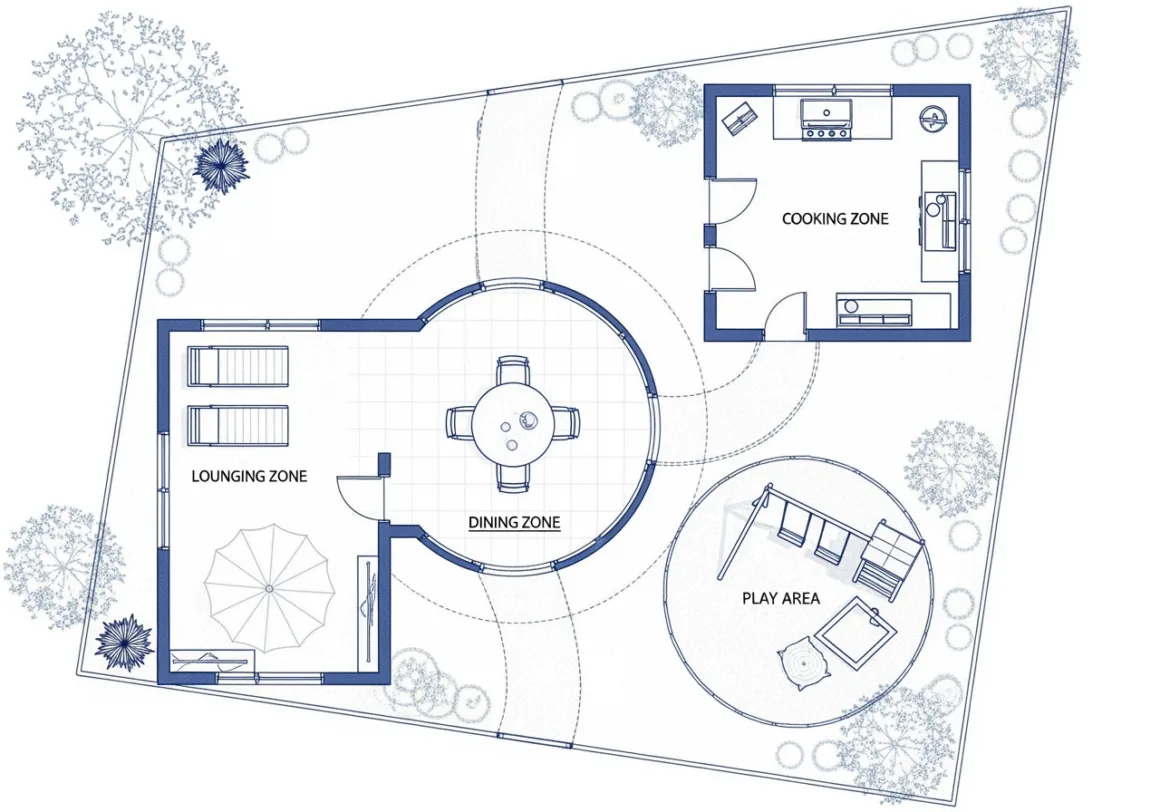
Now turn that wish list into zones. Think of your yard as a simple floor plan with an outdoor dining room, a lounging area, maybe a cooking zone, and a flexible open space. Each zone needs enough room to function: chairs that can be pulled out, doors that open fully, and people walking past without twisting sideways.
Give main walkways at least 90 cm (about 36 inches) of clear space, and add more where people will walk side by side. It’s a small detail, but it’s the difference between “cozy” and “everyone is bumping shoulders.” A common mistake is to buy furniture first and then discover there’s no comfortable way to walk around it.
You don’t need solid walls to mark out each zone. A change in surface—from deck boards to pavers—quietly tells you that you’ve stepped into a new “room.” Planters, low seat walls, outdoor rugs, or a shift in ceiling height under a pergola are all simple ways to separate one area from another without chopping the yard into little pieces.
When you sketch, step inside the house and look out. The best outdoor spaces line up with the views you already have—aligning a dining terrace with the kitchen, centering a fire feature on a big window, or extending the sight line from a living room straight out to a focal point in the yard. If you’re starting from a blank slate, pair these ideas with our guide on how to create beautiful backyards so the overall landscaping supports the “rooms” you’re planning.
Site Assessment: Sun, Wind, Drainage, and Views
Before you commit to any layout, pay attention to what your site already does on its own. Where does the morning sun hit? Where does late-afternoon heat feel harsh? Does the wind funnel between houses? Is there a soggy corner that never quite dries out after rain?
These observations shape where you put seating and shade. A west-facing patio may become unbearable in summer unless you plan trees, a pergola, or some type of awning into the design. A breezy corner could be perfect for hot-weather dining but might need a windbreak in spring and fall. Low spots may need regrading or drains before you ever think about furniture.
Water use matters, too. In many homes, a big chunk of total water use goes outside. Swapping some lawn for climate-appropriate planting and upgrading to drip or smart irrigation can keep your yard green while cutting waste. Programs like the EPA’s WaterSense initiative offer homeowner-friendly guidance on efficient landscapes and irrigation systems if you want to dig deeper into the technical side.
Budget, Phasing, Permits, and Safety
Outdoor projects can be surprisingly emotional: it’s easy to fall in love with big inspiration photos and forget the numbers. I’ve seen families transform a yard with a few thousand dollars and some smart DIY, and I’ve seen multi-year projects that roll out in careful phases. Both approaches can work; the difference is in planning.
A practical sequence usually looks like this:
- Fix grading and drainage so water moves away from the house.
- Run any needed gas, water, or electrical lines.
- Build decks, patios, steps, and shade structures.
- Add planting, lighting, and basic furniture.
- Layer in “nice-to-have” features such as outdoor kitchens, fire features, and custom fencing.
Handling the “infrastructure” first keeps you from tearing up new turf or pavers a year later because you decided a built-in grill or spa would be nice after all. One of the most frustrating (and common) stories from homeowners is having to rip out a brand-new patio just to run a gas line they wish they had planned earlier.
Permits are the part most people would happily skip, but ignoring them can get expensive. Many areas require permits for decks above a certain height, patio roofs attached to the house, gas lines, new exterior circuits, pools and spas, and taller fences. A short call to your local building department or HOA early in the process is much cheaper than fixing unpermitted work later.
Complicated grades, retaining walls, multi-level decks, and built structures are good reasons to bring in experienced pros. A consultation with a landscape contractor who specializes in complete outdoor living projects—such as SalCorp outdoor living design—can help you avoid structural or drainage mistakes and make sure everything is built to last.
If you’re working with a tight budget, focus phase one on the “bones”: a simple, well-built patio or deck, some basic lighting, and starter planting. Our ideas for backyard landscaping on a budget pair well with this approach if you want the biggest impact from your first round of work.
Choosing Materials and Key Features
Once your layout makes sense on paper, it’s time to choose what everything is made of and which features you want to live with every day. This is where durability, comfort, and looks all matter at the same time.
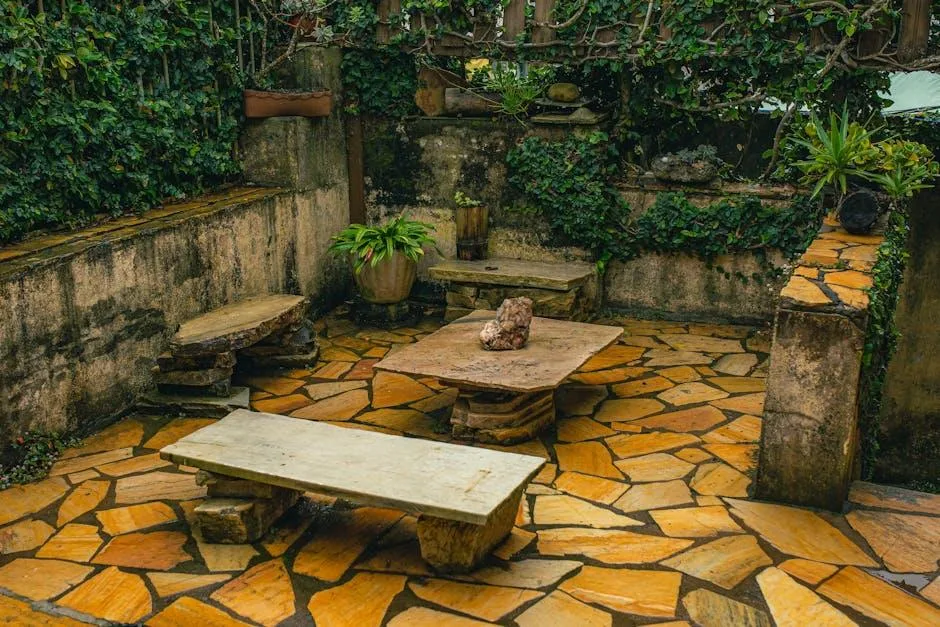
Hardscaping—your patios, paths, steps, and walls—creates the structure of the space. Common options include poured concrete, concrete pavers, natural stone, and composite decking. Natural stone has a timeless, organic look. Pavers offer consistency and the option to replace individual units if something cracks. In wetter or icy climates, textured, slip-resistant surfaces are worth planning in so you’re not tiptoeing across slick steps in bad weather.
For decks and raised platforms, ask how much maintenance you’re realistically willing to do. Traditional wood is beautiful but needs regular sealing or staining. Composite and PVC boards cost more up front but resist rot, splintering, and fading. Many busy households choose them for high-use outdoor areas so their time goes into enjoying the space, not sanding railings every couple of years.
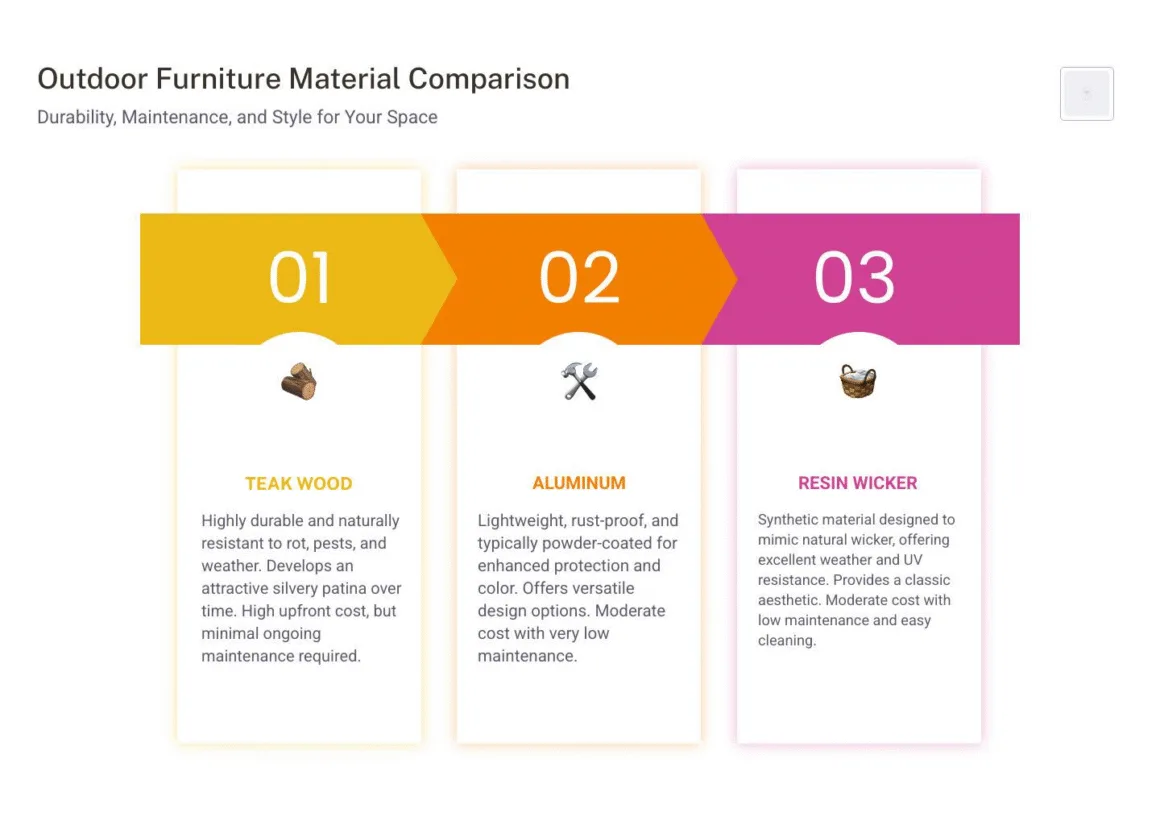
Outdoor furniture is where comfort really shows up. Teak and other dense hardwoods bring warmth and hold up well outdoors when cared for properly. Powder-coated aluminum is light and rust-resistant, while quality resin wicker gives you the woven look with better durability than natural rattan. Whatever you pick, look for UV-resistant fabrics and quick-drying cushions—if you’ve ever dragged soggy cushions in and out of the house, you already know why this matters.
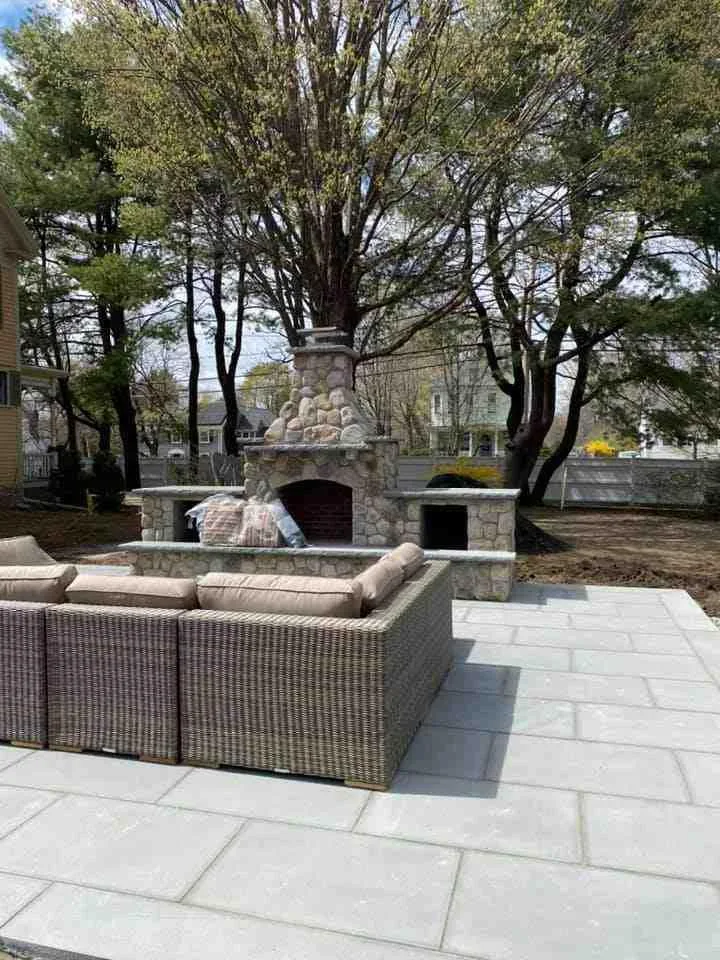
Key features can turn a simple patio into a space people actually ask to come over and use. Fire pits and outdoor fireplaces extend the season and instantly create a gathering point. Outdoor kitchens range from a built-in grill with a bit of counter space to full setups with sinks, refrigerators, and storage. Water features such as fountains or small ponds add movement and sound, softening hard edges and bringing in birds.
Architectural elements like pergolas, gazebos, and shade sails bring both shade and structure. They frame zones, make it easy to hang lights or fans, and visually “finish” a space. If you enjoy custom details, browsing unique outdoor living designs can spark ideas you won’t see in a standard catalog.
Integrating Greenery into Your Outdoor Living Space Design
Even the best-built patio feels bare without plants. Greenery softens edges, provides shade and privacy, and makes the space feel alive. Done thoughtfully, planting makes your deck or terrace look like it grew out of the landscape instead of just being dropped on top of it.
Start with the backbone: trees and larger shrubs that define space, cast shade, and screen views. Whenever possible, favor native or well-adapted species. They’re already tuned to your local climate and soils, which usually means less supplemental water, less fertilizer, and fewer pest problems. Over time, a smart mix of native plants can reduce maintenance while supporting pollinators and local wildlife.
Underneath that structure, layer in perennials, ornamental grasses, and groundcovers for seasonal color and texture. Use evergreens or strong structural plants near seating areas so the space still feels anchored in winter. If you’re working with a smaller lot, steal ideas from our small backyard ideas guide: vertical gardens on blank walls, skinny columnar trees along fences, and multipurpose planters that double as seating or low dividers.
Containers are your best friend for patios, decks, and balconies. Group pots in odd numbers, mix heights, and play with different leaf sizes and colors for a lush look without eating up much floor space. The big advantage is flexibility: you can slide containers to chase or escape the sun, rework the layout for a party, or refresh the look each season without redoing the whole yard.
Finishing Touches: Ambiance, Privacy, and Fencing
By this point, you have the basics in place. The last layer—lighting, privacy, shade, color, and fencing—is what makes people say, “I love it out here,” and not just, “Nice patio.”
Illuminating Your Outdoors: Lighting and Technology
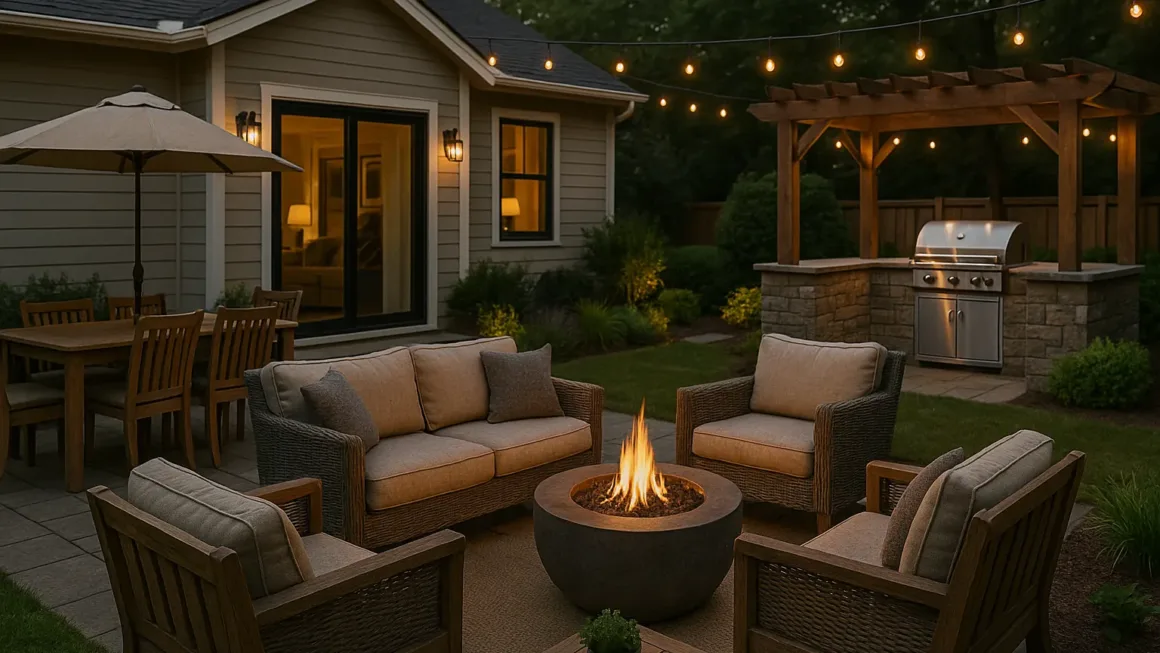
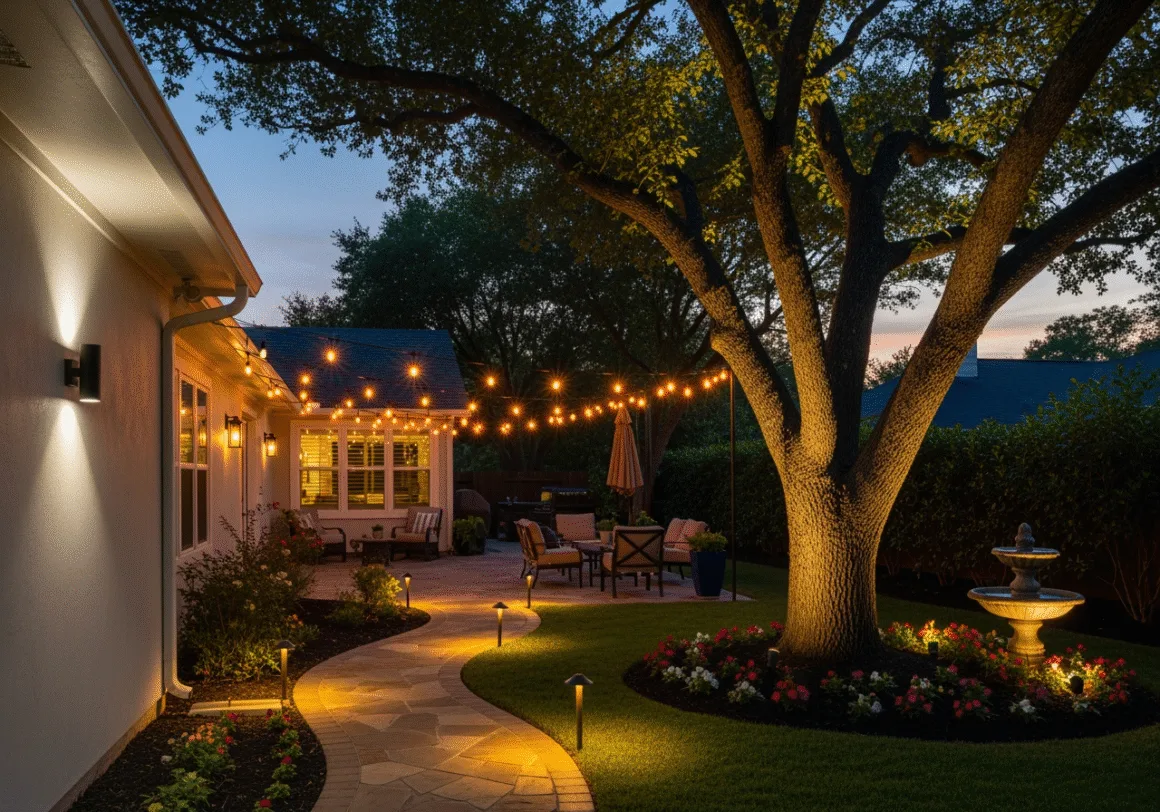
Good lighting is one of the easiest ways to change how a yard feels. It extends your usable hours, keeps steps and edges safe, and completely shifts the mood after dark. Instead of blasting everything with a single bright light, think in layers:
- Ambient lighting gives a soft overall glow so people can move around comfortably. Examples: wall sconces by doors, lantern-style fixtures on posts, or ceiling lights under a covered patio.
- Task lighting targets work areas like the grill, outdoor kitchen counters, and dining table so you can see what you’re doing.
- Accent lighting highlights focal points such as trees, stone walls, water features, or artwork and adds depth to the space.
String lights over a dining or lounge zone instantly make a backyard feel more inviting. Low-voltage path lights along walkways keep people from wandering off the edges. Discreet step or deck lights around changes in level help prevent trips and falls—especially important if you have kids, older relatives, or guests moving around after dark.
Landscape lighting consistently scores high in homeowner satisfaction surveys because of how much it changes the experience of a yard at night. If your property backs onto water or has steep slopes and retaining walls, pair these ideas with our guide to outdoor lighting for waterfront property to cover safety as well as atmosphere.
Common types of outdoor lighting you can mix and match include:
- Path lights: Mark walkways and driveways for safety and wayfinding.
- String lights: Create a relaxed, festive canopy of light above seating or dining areas.
- Uplights: Highlight trees, architectural details, or textured walls from below.
- Deck and step lights: Built into posts, risers, or stair treads for subtle illumination and safer movement.
- Wall sconces: Provide ambient light and architectural interest on exterior walls.
- Spotlights: Offer focused beams to emphasize focal points or create drama.
- Bollard lights: Short posts that cast light downward onto paths or seating zones.
- Underwater lights: Installed in ponds, pools, or fountains for a shimmering night-time focal point.
Tech is gradually moving outside, too. Weather-resistant speakers, outdoor-rated TVs, smart timers for irrigation and lights, app-controlled heaters and fans—all of these add comfort and convenience. Start by planning enough exterior outlets and hose bibs and decent Wi-Fi coverage, and you’ll be ready to add gadgets later without ugly extension cords.
Creating Comfort and Seclusion
Even a beautiful backyard won’t feel relaxing if you feel like you’re on display. Comfort outdoors usually comes down to three things: shade, privacy, and some buffer from wind and noise.
For privacy, you can go soft, hard, or a mix of both. Soft solutions include layered planting—tall ornamental grasses, evergreen hedges, and small trees placed to block specific sight lines. Harder edges come from privacy screens, trellises with climbing vines, or decorative walls. For a deeper dive, our guide to backyard privacy ideas shows how to do this without making the yard feel walled in.
Shade structures are just as important. Freestanding umbrellas are flexible and great over tables or chaise lounges. Retractable awnings and pergolas provide more permanent coverage and can be dressed up with outdoor curtains, vines, or polycarbonate panels, depending on how much light and weather protection you want. Shade sails work well for irregular or tight spaces and can look very contemporary.
Color and texture are where your style really shows. A calm palette of natural wood, stone, and leafy greens creates a spa-like retreat. A neutral base with bolder cushions, rugs, and planters lets you change the look from season to season without replacing big-ticket items. Mixing smooth and rough surfaces—timber, stone, woven wicker, outdoor fabrics—adds depth and keeps the space from feeling flat.
At the property edges, fencing ties privacy and security together. Beyond code requirements for things like pool safety, fencing is the frame around your outdoor room. Exploring outdoor living fencing designs can help you decide whether a classic picket, horizontal slats, mixed materials, or something more contemporary best matches your house and landscape.
Trends and Maintenance in Outdoor Living Space Design
Trends shift every year, but a few themes keep showing up: sustainability, wellness, and flexible “four-season” use. More homeowners are trading large lawns for mixed planting beds and gravel, choosing durable, low-maintenance materials, and adding features that make it easy to be outside most of the year—covered lounges, heaters, fans, compact plunge pools, and small hot tubs.
If you want to extend your season, plan for shoulder weather from the start. Our article on upgrading your outdoor living space to accommodate all seasons looks at practical additions like fire pits, patio heaters, and roofed structures, so spring and fall don’t go to waste.
Social front yards and backyard “retreats” are also becoming more common. Instead of one big deck, many households create several smaller scenes: a fire corner, a dining terrace, a kids’ play strip, a tucked-away bench near raised beds or an herb garden. The more your yard matches your actual routines, the more you’ll use it.
Whatever mix of features you choose, consistent maintenance is what keeps the space feeling like an asset instead of a chore:
- Regular cleaning: Sweep or blow hard surfaces, clear leaves from deck gaps and drains, and wash furniture covers according to the manufacturer’s instructions so mildew doesn’t get ahead of you.
- Seasonal checks: Each spring, look for frost damage, shifting pavers, or loose boards. Before winter, store or cover cushions, shut off and drain exterior water lines where needed, and protect vulnerable pots or plants.
- Plant care: Refresh mulch, prune lightly, and monitor for pests. Grouping plants by water needs and using drip irrigation can cut watering time and waste.
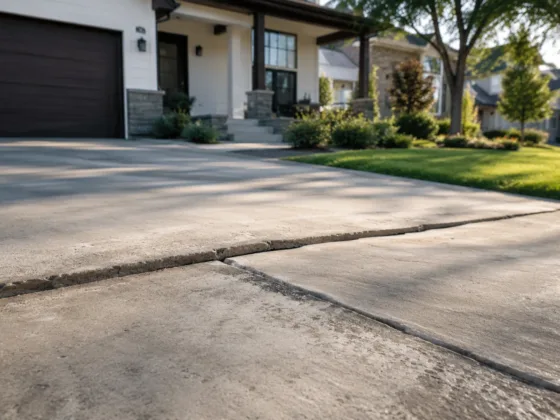
- Hardscape maintenance: Inspect patios, decks, and steps for cracks, heaving, and loose pieces. Reseal natural stone and high-traffic concrete when water stops beading on the surface.
- Feature upkeep: Clean and inspect fire pits, grills, and outdoor kitchen appliances. Have gas lines and connections checked periodically by qualified pros.
- Fencing and structures: Look for rot, rust, peeling finishes, and loose fasteners on fences, pergolas, and decks. Re-stain, repaint, or repair early, before small issues turn into structural problems.
A couple of hours of attention each season is usually enough to keep a well-designed outdoor space in great shape—and that’s a small trade for a room you can step into just by opening the back door.
Outdoor Living Space Design FAQs
How much does an outdoor living space cost?
Costs vary widely. A modest DIY refresh with gravel, a small paver area, string lights, and container plants can often be done in the low thousands. A fully built-out space with decks, roofs, outdoor kitchen, fire feature, lighting, and custom fencing can run into the tens of thousands and is usually done in phases. Many homeowners treat exterior upgrades as a multi-year plan rather than a single project, focusing first on drainage and structure, then adding furniture and extras over time.
Do outdoor living spaces add value to a home?
In most markets, yes—especially when they’re well designed and feel like a natural extension of the house. National reports on outdoor projects routinely show strong returns for new patios, decks, landscape upgrades, and outdoor kitchens, along with very high satisfaction scores from homeowners who complete them. Even if you’re not planning to sell soon, you’ll likely get years of daily use before a future buyer ever sees the space.
How do I design an outdoor living space for a small backyard?
In small yards, you have to be honest about what matters most. Choose one main function—dining, lounging, or play—and design around that. Use perimeter seating (benches along fences or walls), compact tables, and slim trees or trellises instead of thick hedges that steal floor space. Keep sight lines as open as possible so the yard feels larger. Our dedicated guide to small backyard ideas has layout sketches and examples specifically for tight lots and courtyards.
What are some low-maintenance options for outdoor living space design?
If you’d like to enjoy your yard more than you maintain it, lean on low-maintenance materials and plants. Composite or PVC decking, porcelain or quality concrete pavers, gravel, and metal or vinyl fencing typically require less ongoing care than unfinished wood or large lawns. Choose native or climate-adapted plants, use drip irrigation where possible, mulch beds to suppress weeds, and keep furniture simple with washable cushion covers and rust-resistant frames.
Bringing Your Outdoor Living Space Together
Designing an outdoor living space isn’t about copying a single perfect photo. It’s about matching your yard to the way you actually live. When you start with function, respect the quirks of your site, invest in solid “bones,” and then add plants, light, and privacy, you end up with a space that feels natural to use day after day. You don’t have to do everything at once—just make sure each phase fits into a bigger picture.
Over time, your outdoor area should feel less like a project and more like a favorite room that just happens to be outside. If you keep that goal in mind while you plan, the design decisions become much easier.
Author: Perla Irish — Home Improvement Editor, Dream Lands Design. Perla works with homeowners, tradespeople, and design professionals to break down complex projects into clear, practical steps. Her coverage includes HVAC, plumbing, energy efficiency, outdoor living, and real estate decisions. You can explore more of her work and background on her Muck Rack profile.
Reviewed by: Sara Bendrick — C-27 Licensed Landscape Contractor & Landscape Designer. Sara owns Sarita Landscape Inc. in San Diego, CA, and designs client backyards, outdoor living spaces, and water features, in addition to hosting landscape design shows on television. Learn more about her professional work and projects on LinkedIn.
Editorial note: This guide is for general educational purposes and does not replace local building codes, professional engineering, or site-specific design. Always confirm permitting requirements in your area and consult licensed professionals for structural work, gas, and electrical installations.