• Home Improvement
    • DIY
    • Remodeling
    • Woodworking
    • Home Design
      • Furniture
      • Organize
      • Tips
      • Decor
        • Interior
        • Exterior
    • Design Ideas
      • Bathroom
      • Bedroom
      • Dining Room
      • Living Room
      • Kitchen
  • Gardening
    • Backyard
    • Front Yard
    • Landscaping
  • Building Staircase
  • Categories
    • Home Improvement
    • Decor
    • Gardening
    • Woodworking
    • Lifestyle
    • Green Living
    • Real Estate
Dream Lands Design
  • Home Improvement
    • DIY
    • Remodeling
    • Woodworking
    • Home Design
      • Furniture
      • Organize
      • Tips
      • Decor
        • Interior
        • Exterior
    • Design Ideas
      • Bathroom
      • Bedroom
      • Dining Room
      • Living Room
      • Kitchen
  • Gardening
    • Backyard
    • Front Yard
    • Landscaping
  • Building Staircase
  • Categories
    • Home Improvement
    • Decor
    • Gardening
    • Woodworking
    • Lifestyle
    • Green Living
    • Real Estate
featured image - What to Do to Your Drywall When the Roof Leaks

What to Do to Your Drywall When the Roof Leaks

  • Perla Irish
  • December 12, 2021
Total
2
Shares
0
0
2
0
0
Table of Contents Show
  1. What to Do Before the Leak
  2. What to Do After the Leak
    1. Call for Repairs Immediately
    2. Cleanup is Key
  3. Preventing Future Damage
    1. # Protect your Roof from the Rain with a Skylight

It’s raining. Your roof is leaking and your drywall is the first to get the brunt of the damage. How can you best protect your drywall? Here are some tips to help you take care of it without a major headache.
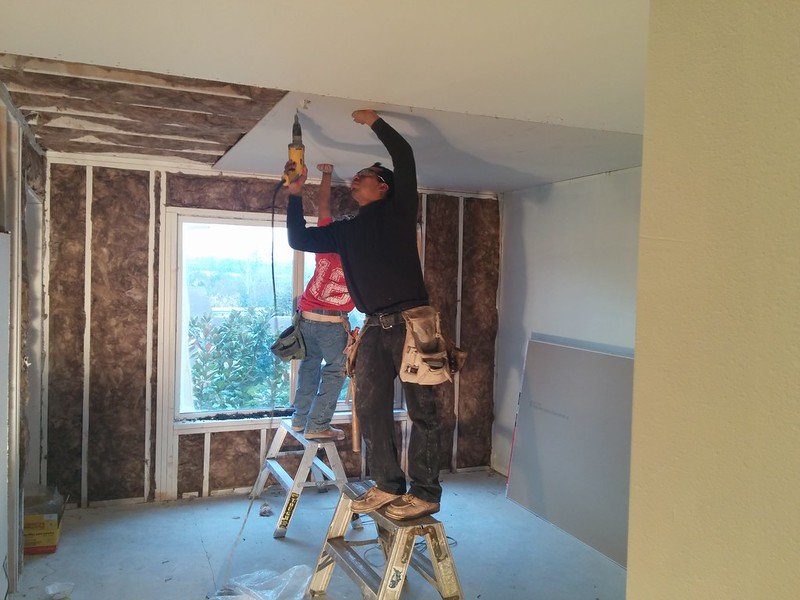
image - What to Do to Your Drywall When the Roof Leaks
What to Do to Your Drywall When the Roof Leaks

What to Do Before the Leak

A friend working at Drywall Repair Kansas City, MO suggests that if possible, make the repairs before the rain starts.

The best way to protect your drywall is to do it properly before you have a heavy downpour. Make sure all your drywall samples are protected and left in a timely manner, so they’re not exposed to water damage during the rainstorm.

Fine-tuning your drywall repair procedure will help you avoid problems down the road. You can also use some of these tips to prevent your drywall from getting damaged when you have a leaking roof:

  1.  Waterproof your basement
  2.  Limit roof penetrations
  3.  Use proper flashing techniques
  4.  Keep gutters clean and free of debris
  5.  Inspect and replace damaged shingles or flashings
  6. Patch up spots before they get bigger. Drywall is cheap and easy to replace, so if you catch a leak early you can save yourself a lot of money later on.

Read Also:

  • How to Sand Drywall Fast (Sanding Patch, Mud, Corners, Ceiling)
  • Roof Leaks Repair Near Me: How to Choose a Roofing Service
  • How to Install or Repair Drywall for a Kitchen Backsplash

What to Do After the Leak

Remove any wet drywall from your home and set it aside, protected from sunlight. Cover the walls with plastic tarps before removing any drywall that is still sound and dry. This will minimize water damage to sound wallboard from rain or snow that might fall through your roof or ceiling later on during cleanup.

Call for Repairs Immediately

If you know you have a leaky roof and the drywall gets wet, it’s best to call for repair work as soon as possible. It’s better to move quickly because, without prompt repair, mold can spread quickly. One way to tell if your drywall has been affected is if it smells musty after the rain stops.

Cleanup is Key

Once you’ve called for repair work, start cleaning up the mess as soon as possible. Remove any furnishings or other items that might be damaged by a spill of water or mold-fighting solution. It’s also important to remove excess.

Preventing Future Damage

Walls made of drywall need to be protected in order to prevent future damage. It’s important that you consider your drywall’s structural integrity when you take care of it. It may sound obvious, but it’s not always easy to keep your drywall in good shape.

Here are a few tips you can use:

Use a professional drywall contractor and make sure they do their work properly.

# Protect your Roof from the Rain with a Skylight

Drywall is porous, so moisture can get into your walls through cracks and openings. This water gets trapped by the wall until it dries out if there has been a storm or if more moisture gets caught on the wall during the day.

If this happens, you might find that your walls start to look worse than before because they now have water trapped inside them from outside sources.

This is especially true if there is any sort of mold or mildew growing inside them. You can avoid this by using skylights on your roof as these will allow more air under the material without trapping moisture in the wall itself.

Total
2
Shares
Share 0
Tweet 0
Pin it 2
Share 0
Share 0
Previous Article
featured image - 4 Things to Consider for Your Roofing Project

4 Things to Consider for Your Roofing Project

  • Perla Irish
  • December 12, 2021
View Post
Next Article
featured image - What Should I Expect from a Roofing Contractor?

What Should I Expect from a Roofing Contractor?

  • Perla Irish
  • December 12, 2021
View Post

Subscribe

Subscribe now to our newsletter

You May Also Like
comfortable home office workspace with desk near window and natural lighting
View Post

How to Create a Comfortable Home Office That Supports Everyday Work

  • March 9, 2026
Modern household appliances including refrigerator, washer, dryer, and dishwasher inside a contemporary home interior
View Post

How Modern Home Appliances Changed Daily Life in Today’s Homes

  • March 7, 2026
Installed sump pump system in residential basement concrete floor basin
View Post

Sump Pump Maintenance Checklist: How to Keep Your System Ready Before the Next Storm

  • February 28, 2026
Wall-mounted ductless mini split air conditioner in a modern living room
View Post

Maintenance Practices That Extend Ductless Heating and Air System Life

  • February 14, 2026
Ceiling HVAC air vents integrated into a quiet residential living room
View Post

How HVAC Systems Actually Work (and Why They Often Feel Inefficient at Home)

  • February 4, 2026
Wall-mounted home thermostat and HVAC air vent in a quiet residential hallway
View Post

Understanding Home HVAC Systems: What Actually Matters, What Doesn’t, and When to Act

  • February 4, 2026
Air conditioner integrated into a calm residential living space during daytime
View Post

Why Your Air Conditioner Is Not Blowing Cold Air (And What That Usually Means)

  • January 31, 2026
Wall-mounted air conditioner in a quiet living room during daytime
View Post

Leaving the Air Conditioner On All Day: When It Helps, When It Quietly Backfires

  • January 31, 2026
  • About
  • Privacy Policy
  • Terms of Use
  • Disclosure
  • Sitemap
  • Contact Us

Input your search keywords and press Enter.