Table of Contents Show
A self-storage is a place or industry where you can rent or store your private or business possessions for a brief span of time.
Self-storage Queensland provides you a splendid solution in case you run out of space in your home. It accommodates the things which are necessarily required by you.

Guardian Self Storage safeguards your precious belonging and offers a secure space for them.
Here are four reasons self-storage proves to be extremely vital at some stage of your life.
You’re an Entrepreneur
Being an entrepreneur requires some major skills.
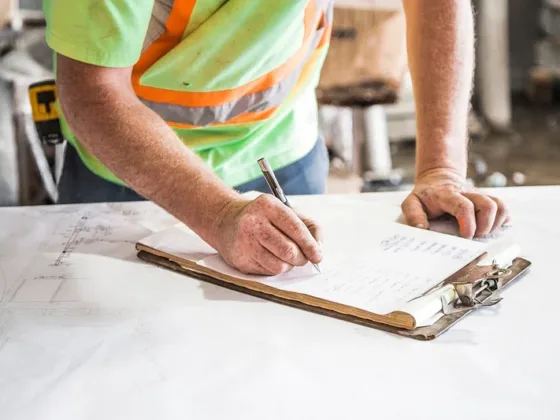
Establishing a business from the scrap isn’t a bed of roses! From running an inventory business or taking over the freelancing business, you need some extra space to keep up the piling stock and materials.
Storing precious documents or setting up a workshop, self-storage always hails you with numerous accommodating facilities.
It always proves to be more economical than renting an office space. That is why initially you should always go with this option.
Your Job Requires Frequent Transfers.
Self-storage provides your mental satisfaction and flexibility during your transient phase of residence. You really don’t need to throw away your loved items or sell them with a heavy heart.
All you need is to place them in self-storage.
It grants you a lot more time to decide about the fate of your belongings, whether to keep or let them go.
It also protects the valuables which are not required to carry out in a journey. This reduces the amount of luggage.
Read Also:
Not Sufficient Space at Home
If you’re running out of space in your home, office, or any compact unit, self-storage provides you the most economical solution to your space issues. You can easily store your surplus here.
It is indeed a very reasonable option to place the items which are not in your “hot favorite” list category. However, it will remain under their possession and ownership rights.
Self-storage units are available in a vast range of sizes and options, depending upon the quantity of surplus you require accommodating.
During the Renovation of Home and Office
Whenever your home or office is going through any sort of renovation, i.e., painting, room extension, reconstruction of leakage in the roof, etc., you’ll never wish to witness the debris and dirt on the coverings of furniture and carpets.
This is where the role of self-storage comes into play. It provides temporary shelter to your precious possessions at a cheaper rate.
Once the renovation is accomplished, you can rearrange the items in your interiors, taking them back from the self-storage.
This makes it very easy to carefully renovate the home or office.
Bottom line
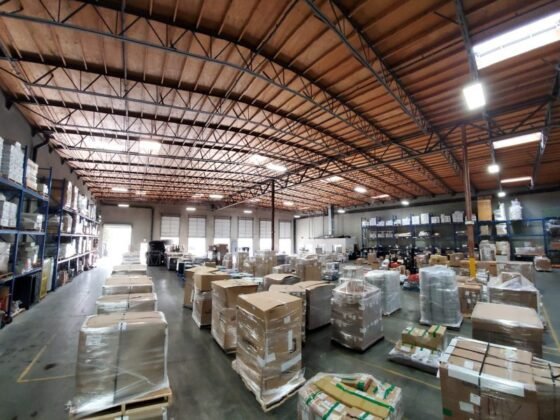
Self-Storage can literally act as “mini-warehouses” with significantly lower rates than a rental property.
The owner can have easy access to his stock and possession. On the other hand, the high esteemed self-storage facility assures the safety of their assets from all the physical damages.
So, it is a great asset to have.