Table of Contents Show
One of the best ways to improve your backyard is to install a patio, why? First of all, it improves the functionality of the place, seeing as how you get a solid, traversable surface you can use even during the rainy part of the year.
Second, while it is true that surfaces like concrete, gravel, and stone need some maintenance, in reality, they don’t need to be tended to as frequently as grass or shrubs.
In other words, building a patio reduces the overall effort you have to invest in the maintenance of your backyard.

Next, depending on your goals and aspirations, you can turn your patio into one of the most functional areas of your property.
Apart from being a place where you throw parties, it also needs to be the place where you greet your guests and spend most of your waking hours during the summer. This can also drastically reduce the amount of power used by your AC unit.
Lastly, a well-maintained and designed patio can significantly boost the resale value of your home, making it in a worthwhile investment, no matter how you decide to look at this.
5 Best Patio Building Materials to Use and Why
With that in mind and without further ado, here are the top five best patio building materials, as well as several good reasons for you to use them.
1. Gravel
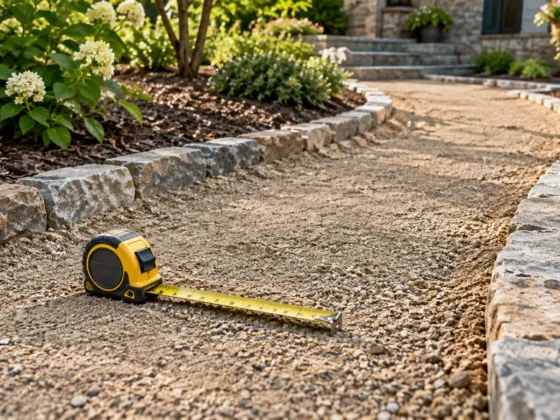
The first material worth examining is gravel, whose price ranges somewhere between $6 and $10 per square foot, making it into one of the cheapest options on the market. It gets even better cost-wise.
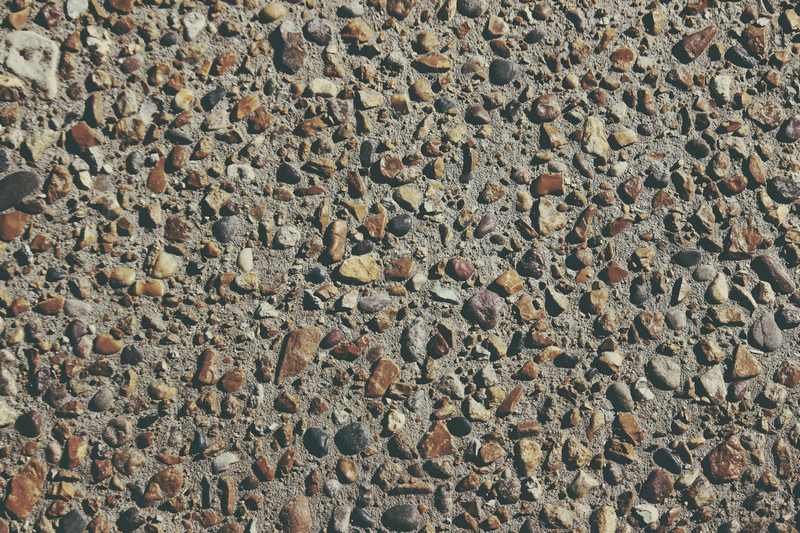
You see, it’s always possible for you to find poured concrete at the same low $6 per square foot, yet, in this situation, you would also have to hire a crew or at least rent out some additional equipment. This is where gravel shines, seeing as how its self-installation is incredibly simple.
Apart from this, once installed, gravel lasts indefinitely, which means that you won’t have to worry about this surface ever again.
Lastly, when traversed, gravel makes a certain squeaky noise that could potentially warn you of burglars or pests prowling about at night.
2. Poured Concrete
Another option you have available is poured or stamped concrete whose price ranges from the above-discussed low $6 to the $13 per square foot. As you can see, even the high-end stamped concrete isn’t that expensive to work with.
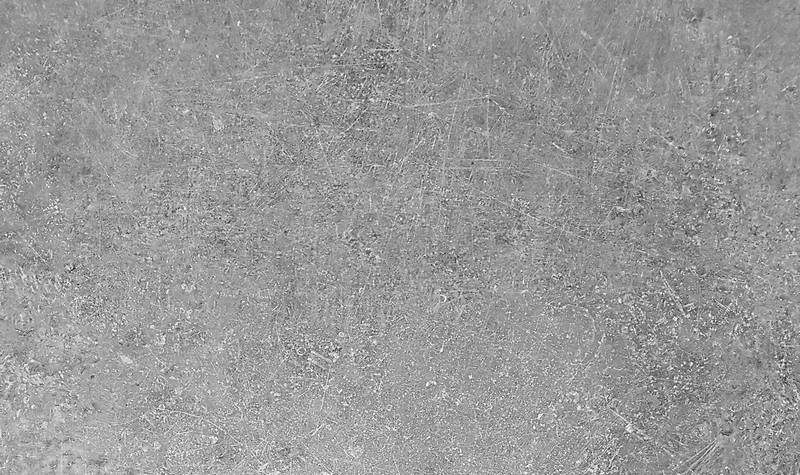
The simplicity of installation is definitely its strong side, as is its price. Earlier on we mentioned the issue of cost, yet, you need to understand that this is a moderate cost you’ll only have to endure once.
The greatest downside of poured concrete lies in the fact that it has a lifespan of about 30 years. On the surface, this may seem like a decent period, yet, when compared to the rest of the list, which offers between 50 and 100 years of durability, this is a significant issue to consider.
In order to protect it, thus extending its longevity, you might want to consider extending your roof construction a bit, thus partially covering it. This, on the other hand, means looking for roof battens from retailers such as Interline Roofing.
Read Also:
- Revitalize the Look of Your Home with Beautiful New Concrete
- Top 6 Reasons to Choose Concrete Pavers for Home
- Everything You Need to Know about Hempcrete
- Tips to Clean Your Outdoor Patio Cushions
3. Concrete Pavers
The next concrete option is so much different from the above-listed two methods (poured or stamped) that it deserves to be classified as a stand-alone alternative to them.
Namely, this particular method will be used in the following two sections, as well, the only difference being the material in question.
The first difference that must be noticed here is the one in durability, seeing as how concrete pavers last between 50 and 100 years. As for the price, it goes around $20 per square foot, making it a high-end alternative to the previously-discussed two options.
4. Brick
The same thing that we’ve just discussed with concrete pavers applies to the use of brick, as well. Even the price matches, seeing as how the median is at $20. The only noticeable advantage here lies in the fact that brick has a somewhat longer lifespan and is estimated to last well over a century.

The difference between the two is mostly in visuals, which is why any choice between them mostly comes down to the personal preferences of the homeowner. Those determined enough might even decide to DIY make their brick paver patio.
5. Stone
At the end of the day, it’s important that we discuss the most luxurious option when it comes to your patio construction of the stone. Most of the things we discussed in the previous two sections apply, with several vital differences.

First of all, the high-end stone for your patio costs up to $28, which is a considerable difference, when compared to all the materials from the list (almost six times more than gravel and one-third more than brick/concrete pavers). As for the longevity, stone pavers installed millennia ago are still there, which should be more than enough to show you the way.
As you can see, each of the options listed above poses a compromise of sorts. By opting for gravel, you’re saving money and effort, as well as maintaining a privilege to install your own patio.
Apart from being a frugal choice, this also brings a no small amount of satisfaction and a feeling of personal accomplishment.
On the other hand, you lose some of the aesthetics, seeing as how gravel might not fit the overall ambiance as well as stone, brick, or concrete. All in all, the only way to make this choice is to start prioritizing.