Table of Contents Show
Heat pumps have become a great choice for homeowners looking for more cost-effective and energy-efficient ways to heat and cool their homes. These systems are very flexible, in the sense that they can heat or cool, using air or ground sources from outside to control the temperature inside.

However, installing a heat pump is not something that can be done by an amateur, but by a professional. Why is that so, though? You’re in luck because that’s what we’re going to be talking about in this article!
Understanding Heat Pumps
Before exploring the installation process, it’s crucial to understand what heat pumps are and how they work. Heat pumps transfer heat from outside air or ground sources into your home during winter and reverse the process in summer to cool your home.
This operation requires intricate calibration and installation to function efficiently. Unlike traditional heating or cooling systems, heat pumps do not generate heat; instead, they move heat, which requires less energy, making them an environmentally friendly and cost-effective option for homeowners. Follow this link if you want to discover more https://www.nytimes.com/wirecutter/guides/heat-pump-buying-guide/.
The Complexity of Installation
Doing the installation on your own will definitely feel like an accomplishment, but only if you know what you’re doing.
The truth is that the installation of a heat pump involves several complex steps that go beyond the capabilities of most DIY enthusiasts. It requires an understanding of refrigerant handling, electrical connections, and, in the case of ground-source heat pumps, excavation, and installation of the ground loop system.
Each step in the installation process is critical to the system’s overall performance and efficiency. Professional installers bring the necessary expertise and experience to navigate these complexities, ensuring that the system is installed correctly from the outset.
Ensuring Optimal Performance
You should know that a heat pump installation service is key to ensuring that the unit operates at peak efficiency. Professionals have the tools and knowledge to accurately calculate the heating and cooling load of your home, which is crucial in selecting the right size and type of heat pump.
An improperly sized system can lead to inadequate heating or cooling, increased energy consumption, and premature system failure. Professionals ensure that every component is correctly installed and calibrated, which is essential for achieving the desired temperature control and energy efficiency.
Safety
Heat pump installation involves handling refrigerants and electrical wiring, which pose significant safety risks and require compliance with local building codes and regulations. Professional installers are certified to handle refrigerants safely and are familiar with the electrical standards required for installation.
They ensure that the installation complies with all local, state, and federal regulations, protecting homeowners from potential legal and safety issues. Attempting a DIY installation without the proper certifications or understanding of the regulations can lead to safety hazards, fines, and difficulties in selling your home in the future. Read more on this page.
Maximizing Energy Efficiency
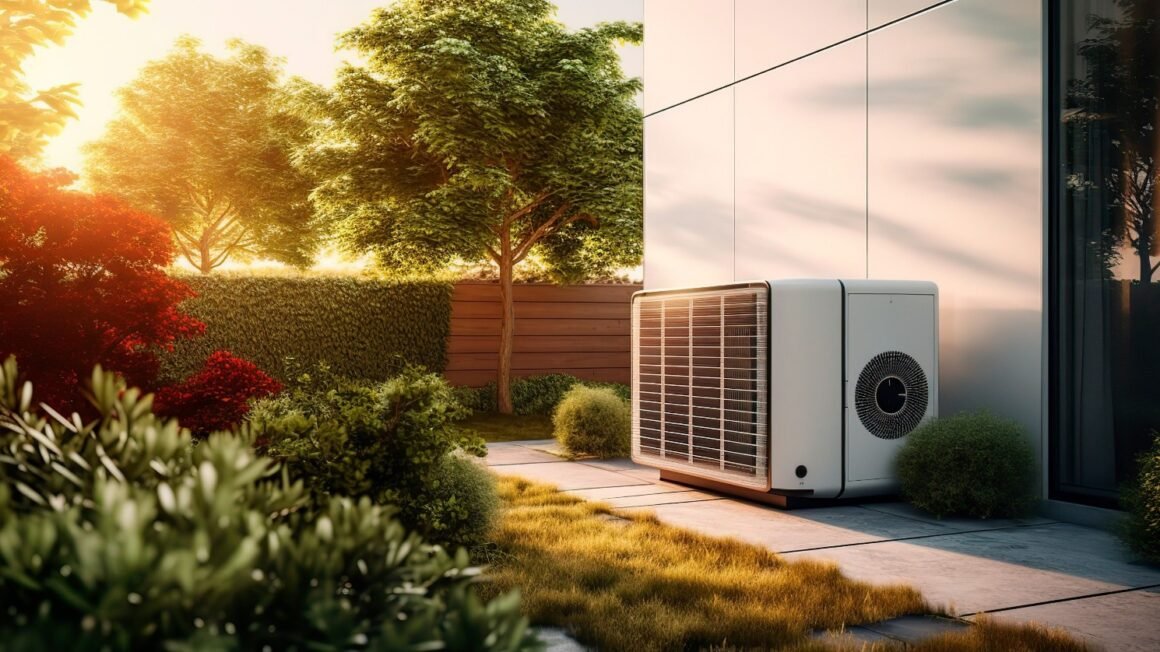
One of the primary benefits of heat pumps is their energy efficiency. However, to achieve and maintain this efficiency, precise installation and setup are required. Professionals use specialized tools and techniques to ensure that the system is as energy-efficient as possible, from the placement of the outdoor unit to the sealing and insulation of ductwork.
This attention to detail in the installation process can significantly impact your energy bills and the environmental footprint of your home.
Warranty and Insurance
The installation of a professional is usually required in order to qualify for a warranty offered by heat pump manufacturers. If homeowners do their own installation, these warranties may not apply, leaving them without protection against defects or system failures.
On top of that, if something goes wrong during the installation process, the professional installer will have insurance to pay for it. Learn more here https://www.theguardian.com/business/2024/jan/08/greener-cheaper-much-warmer-heat-pump-owners-laud-their-new-system.
Access to Expert Advice
Professional installers not only provide installation services but also valuable advice on maintaining your heat pump for optimal performance and longevity. They can recommend maintenance schedules, troubleshooting tips, and efficiency-boosting practices, ensuring that you get the most out of your investment.
Save on Greens
The initial cost of professional heat pump installation might appear high, but it paves the way for significant long-term savings. A system that is correctly installed and optimized for your home’s specific needs operates more efficiently, which directly translates to lower energy consumption and reduced utility bills. Moreover, a professionally installed heat pump is less likely to suffer from installation-related failures, which can be costly to diagnose and repair.
These failures not only inconvenience homeowners but also impact the system’s efficiency and lifespan, leading to premature replacement needs. By ensuring the system is installed correctly from the start, professional installers help avoid these unnecessary expenses, making the initial investment in professional services financially prudent over the life of the system.