Table of Contents Show
Slip-resistant flooring is essential when creating a safe environment, especially in commercial and industrial settings.
Slippery floors can lead to accidents, injuries, and potential liabilities. However, with the right approach, such as using slip-resistant epoxy flooring, you can significantly reduce the risk of slips and falls.
In this blog post, we’ll explore how concrete grinding in Geelong plays a crucial role in enhancing safety by preparing surfaces for slip-resistant epoxy coatings.
Understanding the Importance of Slip-Resistant Flooring
Slips and falls are among the leading causes of workplace accidents and injuries. Whether it’s a busy restaurant kitchen, a manufacturing facility, or a retail store, the risk of accidents is always present, especially on smooth or uneven surfaces.
Slip-resistant flooring is designed to provide better traction, reduce the likelihood of slips and falls, and create a safer environment for employees and customers.
The Role of Concrete Grinding in Surface Preparation
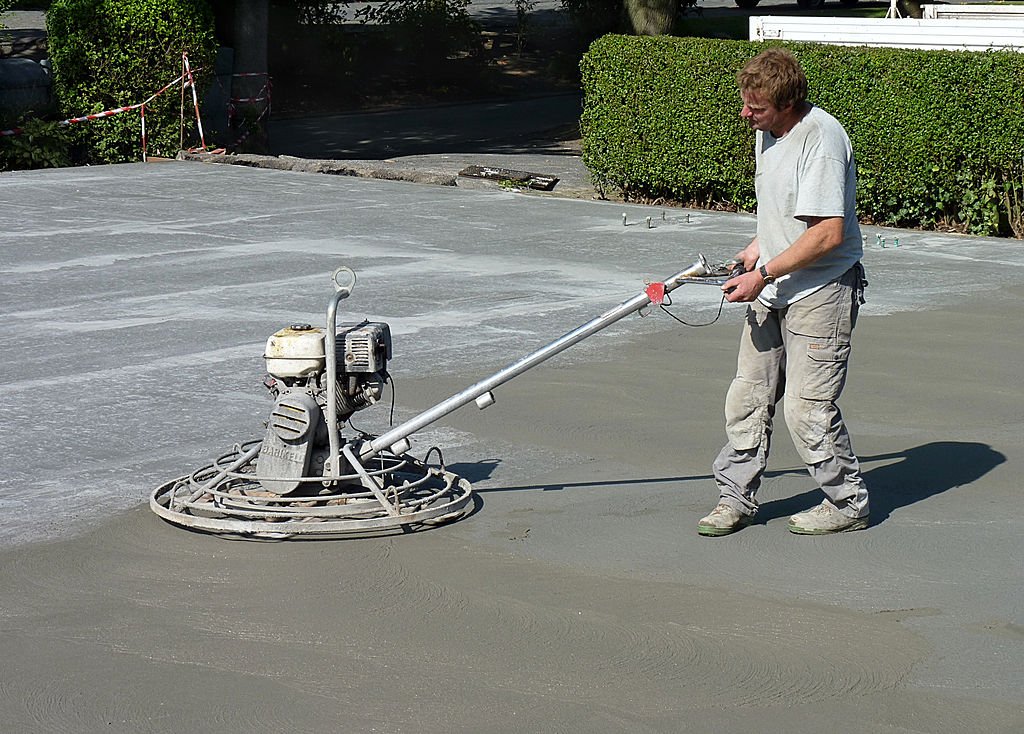
Before applying any epoxy coating, proper surface preparation is crucial. Concrete grinding is an essential step in this process, as it helps to remove surface imperfections, level uneven areas, and create a smooth and uniform substrate for the epoxy coating.
By grinding the concrete surface, you improve adhesion and enhance the effectiveness of the slip-resistant properties of the epoxy flooring.
Creating Texture for Improved Traction
One of the key benefits of concrete grinding in Geelong for slip-resistant epoxy flooring is the ability to create texture on the surface.
By using specialized grinding equipment with diamond-embedded abrasives, contractors can achieve various levels of consistency, ranging from fine to coarse, depending on the desired level of slip resistance.
This textured surface provides better traction underfoot, even in wet or oily conditions, reducing the risk of slips and falls.
Choosing the Right Grinding Technique
The effectiveness of slip-resistant epoxy flooring largely depends on the grinding technique used. Experienced professionals understand the importance of selecting the right equipment and abrasives.
They carefully assess the condition of the concrete surface, consider factors such as traffic volume and environmental conditions, and choose the appropriate grinding technique to achieve the desired level of slip resistance while maintaining the integrity of the substrate.
Ensuring Compliance with Safety Standards
Compliance with safety standards is non-negotiable in industries with strict safety regulations, such as food processing plants, healthcare facilities, or warehouses.
Slip-resistant epoxy flooring helps organizations meet regulatory requirements and demonstrates a commitment to the well-being of employees and visitors.
Properly prepared and installed epoxy flooring can withstand heavy foot traffic, chemical spills, and other challenges while providing a safe and durable flooring solution.
Long-Term Benefits of Slip-Resistant Epoxy Flooring
Investing in slip-resistant epoxy flooring in Geelong offers long-term benefits beyond safety. Businesses can avoid costly downtime, worker compensation claims, and potential legal liabilities by reducing the risk of accidents and injuries.
Also, slip-resistant flooring is easier to clean and maintain, improving hygiene and sanitation in commercial and industrial environments.
With proper care and maintenance, epoxy flooring can last many years, providing a durable and cost-effective solution for safety-conscious businesses.
Incorporating Anti-Slip Additives for Added Protection
Incorporating anti-slip additives into the epoxy coating with concrete grinding further enhances its slip-resistant properties.
These additives, typically comprised of fine particles or aggregates, create additional friction on the surface, thereby increasing traction and reducing the risk of slips and falls.
By integrating these additives into the epoxy formulation, contractors can customize the level of slip resistance to suit specific environmental requirements.
Regular Maintenance for Sustained Safety
Maintaining the slip-resistant properties of epoxy flooring requires ongoing care and attention. Regular cleaning and maintenance routines are essential to prevent the accumulation of dirt, debris, or contaminants that may compromise traction.
Additionally, periodic inspections and reapplications of anti-slip coatings or sealants can help ensure that the flooring remains effective in preventing accidents and maintaining a safe environment for occupants.
Educating Personnel on Safety Protocols
While slip-resistant epoxy flooring provides a robust safeguard against accidents, ensuring safety also requires proactive engagement from personnel.
Educating employees on safety protocols, such as proper footwear usage, spill cleanup procedures, and hazard awareness, fosters a workplace safety and accountability culture.
Organizations can enhance safety and minimize accidents by empowering individuals with the knowledge and tools to identify and mitigate risks.
Implementing Visual Cues for Hazard Awareness
In addition to slip-resistant flooring and employee training, visual cues can enhance hazard awareness and promote safety.
This visual cue may include strategically placed signage indicating slippery areas, floor markings delineating safe walking paths, and color-coded zones highlighting potential hazards.
By enhancing visibility and providing clear guidance, organizations can minimize the risk of accidents and create a safer working environment for all.
Utilizing Advanced Technology for Safety Monitoring
Advancements in technology have introduced innovative solutions for safety monitoring and risk mitigation. For instance, sensor-based systems can detect changes in surface conditions, alerting personnel to potential hazards in real-time.
Additionally, data analytics tools can provide insights into safety trends and identify areas for improvement in safety protocols or flooring maintenance practices. By leveraging these technologies, organizations can proactively address safety.
Encouraging a Culture of Safety and Accountability
Promoting a culture of safety and accountability is essential for maintaining a safe working environment. Encouraging open communication, fostering collaboration, and recognizing individuals prioritizing safety reinforces the importance of adhering to safety protocols.
By empowering employees to take ownership of safety initiatives and actively participate in hazard identification and mitigation, organizations can create a workplace where safety is everyone’s responsibility.
Conclusion
In conclusion, enhancing safety with slip-resistant epoxy flooring through concrete grinding is a proactive approach to creating a safer environment in commercial and industrial settings.
By preparing the concrete surface properly and choosing the proper grinding technique, businesses can achieve optimal slip resistance while meeting regulatory requirements and ensuring the well-being of employees and visitors.
Investing in slip-resistant epoxy flooring reduces the risk of accidents and injuries and offers long-term benefits in durability, maintenance, and cost-effectiveness. It’s a wise investment that pays dividends in safety and peace of mind.