Table of Contents Show
Navigating online plant nurseries simplifies home decorating, eliminating the hassle of hauling damp soil bags and crammed pots in personal vehicles. Greenhouse-direct shippers package specimen plants in custom corrugated cradles that protect delicate stems and preserve soil moisture during transit. When you buy plants online with free delivery, sourcing grower-fresh greenery or high-grade artificial foliage delivers botanical beauty straight to your door without unexpected freight surcharges at checkout.
Direct-to-door plant delivery has fundamentally changed interior botanical styling. Unlike big-box retail garden centers where potted foliage sits under harsh artificial lights and suffers from irregular watering schedules, greenhouse-direct retailers ship plants directly from controlled growing environments. This guide details how to evaluate delivery policies, inspect shipped live specimens, and integrate realistic faux foliage in windowless rooms where living cultivars cannot survive.
Quick Verdict: To buy plants online with free delivery successfully, choose retailers providing climate-controlled shipping guarantees, eco-friendly paper packaging, and transparent threshold limits for free freight. For windowless powder rooms, dark entryways, or deep wall alcoves, pair live online plants with premium UV-stabilized faux foliage to maintain a balanced green interior.
Retail Nurseries vs. Greenhouse-Direct Online Shipping
Retail store displays present distinct environmental challenges for live plants. Fluorescent lighting lacks the necessary photosynthetic photon flux density (PPFD) required for long-term plant health, while high foot traffic and shifting store temperatures induce severe root shock.
Research published by the University of Florida IFAS Extension demonstrates that indoor foliage plants subjected to prolonged retail holding conditions experience accelerated leaf drop and root decline compared to plants shipped straight from production greenhouses. Direct shipping bypasses retail holding stress, delivering plants that retain strong root integrity and vibrant leaf color.
| Retail Channel | Lighting Conditions | Root & Soil Stability | Specimen Selection |
|---|---|---|---|
| Big-Box Retailers | Low-grade fluorescent overheads | Irregular watering; compacted soil | Standard common cultivars |
| Greenhouse Shippers | Natural glasshouse sunlight | Moisture-retaining root wraps | Rare & specialized varieties |
| Online Faux Retailers | Zero light requirement | Synthetic solid bases (no soil) | Architectural statement trees |
Understanding Free Delivery Terms & Transit Packaging
Free delivery policies vary across major botanical e-commerce platforms. Some retailers include shipping costs directly within baseline item pricing, whereas others require minimum purchase thresholds, typically ranging between $50 and $75, to unlock free shipping options.
- Protected Root Balls: Top-tier nurseries secure root systems in breathable, compostable coco-coir wraps or recycled paper sleeves that hold moisture without oversaturating the soil during transit.
- Custom Locking Inserts: Rigid internal cardboard collars hold grower pots firmly in place at the base of the shipping box, preventing upside-down spills or broken stems if the box tilts.
- Seasonal Thermal Insulation: During winter months, reputable online plant shops include heat packs and insulated foil liners to protect tropical foliage against freezing transit temperatures.
Solving the Low-Light Dilemma: Blending Live & Faux Greenery
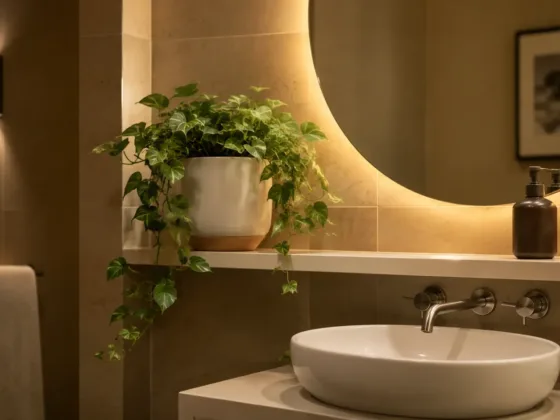
Deciding to buy plants online with free delivery works exceptionally well for rooms with south- or west-facing windows. However, every home contains challenging low-light zones—such as windowless powder rooms, long interior hallways, high ceiling ledges, and basement guest quarters—where even shade-tolerant live plants eventually yellow and fail.
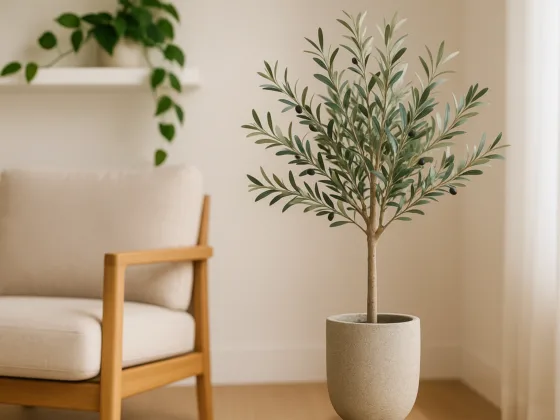
Integrating high-grade artificial plants solves these environmental limits seamlessly. Modern 3D-molded polyethylene (PE) trees and real-touch latex foliage replicate natural stem scarring, delicate veining, and realistic matte textures. Positioning live potted specimens near bright natural light sources while placing realistic faux greenery in dark corners creates a balanced, fluid interior landscape that looks vibrant year-round.
Unboxing Protocol: Settling Shipped Plants into Your Home
Shipped live plants require a brief acclimation period after spending several days inside dark transit boxes. Follow this five-step unboxing procedure to minimize environmental shock:
- Unpack Immediately: Remove shipping tape, protective paper wrap, and cardboard collar inserts immediately upon package arrival.
- Check Soil Hydration: Feel the top inch of soil. If dry, apply a moderate lukewarm water pour. Avoid heavy soaking right away if roots feel damp.
- Delay Repotting: Leave the plant inside its original plastic nursery pot for 10 to 14 days. Repotting immediately doubles root stress.
- Provide Medium Indirect Light: Set new arrivals in medium indirect light for the first week, avoiding harsh direct sunlight until leaves adjust.
- Prune Minor Damage: Snip any yellowed or bent leaves caused by box compression using clean, sharp shears.
Frequently Asked Questions
Is it safe to buy plants online with free delivery?
Yes. Reputable online nurseries use specialized corrugated packaging with internal locking collars, moisture-retaining root wraps, and seasonal insulation heat packs to keep plants secure and hydrated during transit.
Can you mix live plants with artificial greenery in the same room?
Yes. Mixing live plants near sunny windows with realistic 3D-molded faux foliage in dark corners or high shelves creates a cohesive, lush botanical design while accommodating natural light limits.
What should I do if a shipped plant arrives damaged?
Unpack the plant immediately, photograph the damaged stems or spilled soil, and contact the seller within 48 hours. Most reputable plant e-commerce platforms offer 30-day health guarantees and free replacements.
How long should I wait before repotting a newly arrived plant?
Wait at least 10 to 14 days before repotting a newly shipped plant. Allowing the plant to acclimate to your home’s temperature and humidity before repotting prevents severe transplant shock.
Author & Editorial Review
Author: Perla Irish serves as Content Manager at DreamlandsDesign. She specializes in residential interior styling, botanical home decor, and practical plant care, helping homeowners create functional, green living spaces.
Editorial Review: This guide was reviewed by the DreamlandsDesign editorial team for nursery shipping accuracy, packaging standards, and interior styling utility. Every section aligns with current direct-to-consumer horticultural practices.