Table of Contents Show
It’s a scenario we’re all too familiar with: bad weather and wind wreaking havoc on our roofs and ripping our shingles off.
This not only has a negative aesthetic influence on the home, but it can also lead to leaks and draughts, which no one wants! Many people would simply contact a roofing professional to resolve the problem.
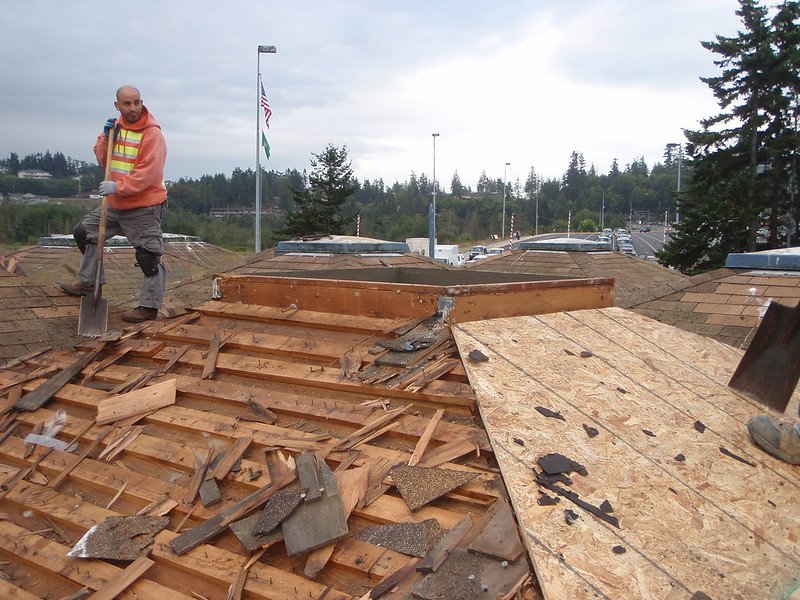
For becoming a rapid city roofing contractor, there is no uniform, industry-wide standard or certification; the process varies greatly based on your jurisdiction and its unique set of restrictions.
In this post, we’ll go over how to become a licensed roofing contractor in-depth, summarising the various steps that must be completed based on where you live.
Because this process varies greatly from state to state, it’s critical that you choose the right one for your situation; this isn’t a “one size fits all” problem.
Why Does a Roofer Need It?
A roofer is subject to a lot of things before he is hired which are as follows and one of them is their roofing license which is asked and relied upon to define their reliability.
Examine the company’s reputation. Make inquiries regarding a roofer’s reputation once you’ve discovered one who is licensed. Check out his BBB rating as well as independent web reviews. Inquire about the roofer’s references and follow up with them.
If you require difficult, specialized work, inquire about the roofer’s previous job sites and pay a visit. Examine the state of the repairs and inquire about the quality of the work from the homeowners.
Request a contract as well as a warranty. A guarantee should always be provided by the roofer when you have a new roof installed. If you require a little roof repair, talk to the contractor about warranty alternatives.
Obtain a written contract that details all of the charges involved. Make sure the contract includes cleanup in addition to labor and material charges. You don’t want to be left with a soiled yard once the roofing job is completed, forcing you to hire a landscaper to clean it up.
Read Also:
Are Roofing Contractors Required to Have a License?
While there is no single industry-wide qualification, certification, or license for roofing contractors, the construction business has grown to be one of the most heavily regulated in the United States.
As a result, each state’s contractor license rules, specialty classifications, and specialized contractor application criteria are all different, making this a procedure that varies widely from state to state.
Essentially, it comes down to whether or not the contractor intends to conduct residential or commercial roofing work. In places like Minnesota, for example, a home contractor merely needs to complete their Residential Roofer New License Application in order to start working.
When a roofing contractor in Minnesota specializes in commercial roofing work on a state level, they must also hold a municipal license in order to do so legally and professionally.
As of the writing of this article, 32 states need state-level licensing for residential and commercial roofing contractor West Hartford CT roofing contractors, indicating that this is an important element of the process in these areas.
However, in the remaining 18 states, a contractor’s license is required at all levels, including state, county, and municipal. As a result, any state might theoretically demand licensure at two of these levels, or all three if they so desired.
What Does It Take to Become a Qualified Roofer?
You may also need to meet a variety of other requirements in order to work as a roofing contractor. These specifications could include, but are not limited to:
- Proof of worker’s compensation insurance is required.
- Unemployment insurance proof is required.
- Proof of successful completion of residential, commercial, or industrial inspections.
- Evidence of your liability and property damage insurance is required.
- Proof that your surety bond has been received.
- Proof of a qualified party’s designation or a construction supervisor’s license
- Copy of the Articles of Incorporation or Partnership Agreement on your own.
Become a Qualified Roofing Contractor by Following These Steps.
Getting to Know Your Roof
Ensure that you have all of the physical, roofing skills down and ready. This is often the first step toward becoming a licensed roofing contractor.
To work as a contractor, you must be a versatile worker who is prepared to consult with clients about task details and step outside of your comfort zone.
To your clients, you must project a nice and approachable demeanor, ensuring them that they can come to you with any queries or problems.
Many people learn to roof on the job or through practice, while others choose to take a class at a technical or community college that is relevant to the work.
While the latter is a more time-consuming option, the skills you will develop, not only for one trade but for a range of others, will more than compensate for the time spent and will be a valuable asset to your career in many ways.
Insurance
When working as a roofing contractor, it is critical to have adequate insurance for both yourself and your company. This is to protect yourself and your company from potential lawsuits, which typically involve personal injury or property damage.
The National Roofing Contractors Association has created a specific area on its website for roofing contractor insurance. The website outlines what you’ll need for the process and provides a list of companies that can help you get it done.
Become a Member of a National or Regional Organisation
After receiving their license, many contractors take the critical step of joining a national or regional roofing association.
Not only does joining one of these associations improve your credibility, making you stand out among a sea of other contractors, but it also keeps you informed and in the loop on all of the latest developments and happenings within the roofing industry itself.
Should any rules or regulations change, you will be the first to know if you join a national or regional roofing association.