Table of Contents Show
Are your summer cooling bills getting you down? A ceiling fan can lower a room’s temperature by up to 4 °F at a fraction of the cost of running an air conditioner.
Lower energy bills mean your fan’s also using less electricity than your aircon, so it’s helping the environment too.
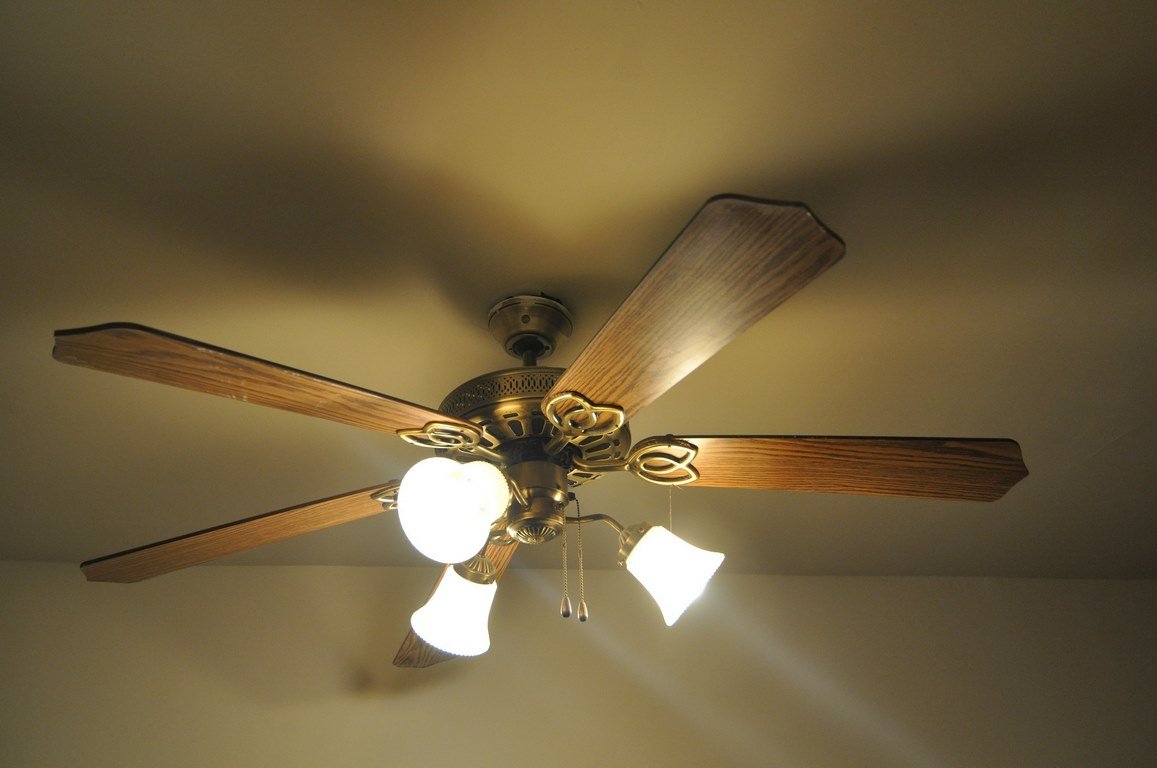
Wait! Before you rush out and buy the first good-looking fan you see, consider these important tips on how to choose a ceiling fan that’s going to suit your best.
1. Choosing the Right Fan Size
Your room’s occupied space is the main criterion for choosing the right fan size. That means the space where people spend the most time.
You can use a simple formula to work this out, as follows:
- Measure the occupied space in square feet
- Divide this answer into four
- The result equals the ideal blade size, in inches
If your room has high ceilings, you can choose a fan with slightly longer blades and vice versa for a room with a low ceiling.
You can use this rough guide to choose the ideal size for your room:
- For a room size less than 50 sq. ft., choose a 29’’ fan or smaller
- For rooms of up to 75 sq. ft, a 36’’ fan is best
- For a bedroom or office under 100 sq. ft., pick a 42’’ fan
- A 52” fan is best for a room of around 225 sq. ft.
For rooms of 400 sq. ft or more, choose a 56” fan or two smaller ones.
2. Which Fan Speed Is Best?
Most ceiling fans have a CFM rating. This refers to the cubic feet of air it displaces every minute.
The best ceiling fans have a high CFM in comparison to their blade size. So, if you can’t decide between two fans with an equal blade length, pick the one with the highest CFM.
The higher the CFM, the more efficiently the fan performs. They’re also more durable and quieter than low CFM fans.
3. How Many Blades Should Your Fan Have?
Nowadays, the number of blades you choose for your ceiling fan has more to do with preference than performance.
For instance, a fan with more blades creates a balanced, conventional look, while fewer blades have a modern, sleek appearance.
More blades don’t necessarily mean a more efficient fan. CFM ratings are the sole criterion for judging how well a fan cools a room.
Read Also:
4. Picking a Good Blade Finish
Blade finish refers to the materials that make up the blades of the fan. There are four main types:
Medium Density Fiberboard (MDF)
This material comprises sawdust and other remnants of wood mixed with a binder and then compressed into a type of board. A layer of laminate protects the exterior of the board.
It’s an affordable option but can’t tolerate moisture, so this material’s unsuitable for humid conditions or outside installation.
ABS Plastic
Plastic is a versatile, inexpensive, and durable material that’s easily molded into various shapes. It’s impervious to moisture and a good choice for outdoor use.
Fan manufacturers often manufacture their plastic fan blades to look like wood.
Wood
Wood is a classic material for fan blades and works well indoors and outdoors.
Balsa wood’s one of the most common types of wood used for fans since it’s lightweight, solid, and aerodynamic. Bamboo is another good choice for fan blades.
Usually, wooden fan blades have a thicker profile than other types of blades.
Metal
According to code, you must place a metal fan at least 10′ above the floor.
This durable material works well both indoors and out, but it can rust in moist conditions. It’s also a top choice for smaller oscillating fans as well as portable fans.
Are you wondering how to choose a ceiling fan color? Your choice of materials will dictate your color options to a degree, although some blade finishes offer a wide color range.
5. Choosing the Most Energy-Efficient Fan
There are two different types of electrical motors used for fans. These are AC and DC fan motors.
They both connect to your ceiling in the same way, although they use power very differently.
An AC-powered ceiling fan uses only 100 watts of energy at full speed, but a DC fan runs on even less, up to 70% less.
Always choose energy-star rated fans, as they’ve proven to use 40% less electricity than standard fans. So, although you’ll pay less for your AC fan upfront, it can cost you more than an AC fan in the long run.
6. What About UL Ratings?
UL ratings refer to the environment that the fan’s built to operate in. There are three different UL ratings as follows:
- Dry Environment fans suit dens, offices, hallways, and living rooms
- Damp Environment fans approved for use in kitchens, bathrooms, screened porches, and garages
- Wet Environment fans suited to outdoor use or very moist environments
Using a fan in the incorrect environment according to its rating can cause the blades to warp and peel, or result in engine failure.
7. Consider the Control Options
Ease of operation is an important consideration when choosing a ceiling fan. There are four main control options available:
- Pull chains
- Wall Switches
- Remote Control
- Smart home compatibility
As you move down this list, the fan becomes easier to operate, but you’re likely to pay more for these conveniences.
8. How to Choose a Ceiling Fan to Match Your Decor
There are so many types of ceiling fans to choose from, you’re bound to find one that matches your interior design perfectly. There are three main types of ceiling fan design:
- Contemporary fans with unique styles
- Traditional fans with embellishments on the lights, blades, and motor housing
- Transitional fans with a toned-down traditional style
You can also get more specific types of ceiling fans with a tropical or a rustic look, as well as custom-designed ceiling fans.
Create Impactful Interiors
Once you’ve got the hang of how to choose a ceiling fan, take time to consider all your options.
A ceiling fan will impact your room’s appearance as well as your comfort and utility bills.
When you get it right, a carefully chosen fan is the perfect complement to your interior design efforts.
For more great ideas on how to add those extra touches to your home, inside and out, browse some more of our articles.