• Home Improvement
    • DIY
    • Remodeling
    • Woodworking
    • Home Design
      • Furniture
      • Organize
      • Tips
      • Decor
        • Interior
        • Exterior
    • Design Ideas
      • Bathroom
      • Bedroom
      • Dining Room
      • Living Room
      • Kitchen
  • Gardening
    • Backyard
    • Front Yard
    • Landscaping
  • Building Staircase
  • Categories
    • Home Improvement
    • Decor
    • Gardening
    • Woodworking
    • Lifestyle
    • Green Living
    • Real Estate
Dream Lands Design
  • Home Improvement
    • DIY
    • Remodeling
    • Woodworking
    • Home Design
      • Furniture
      • Organize
      • Tips
      • Decor
        • Interior
        • Exterior
    • Design Ideas
      • Bathroom
      • Bedroom
      • Dining Room
      • Living Room
      • Kitchen
  • Gardening
    • Backyard
    • Front Yard
    • Landscaping
  • Building Staircase
  • Categories
    • Home Improvement
    • Decor
    • Gardening
    • Woodworking
    • Lifestyle
    • Green Living
    • Real Estate
Featured image - How Often Should Insulation be Replaced

How Often Should Insulation be Replaced?

  • Perla Irish
  • July 19, 2020
Total
2
Shares
0
0
2
0
0

Those who have bought an existing home, or those who have lived in their home for quite a long time may be wondering when their insulation should be replaced.

It’s a great question, but not one that is simple to answer as many factors affect the lifespan of insulation.

However, if your insulation is more than 15 years old, we recommend inspecting it to see if it’s time for a replacement.
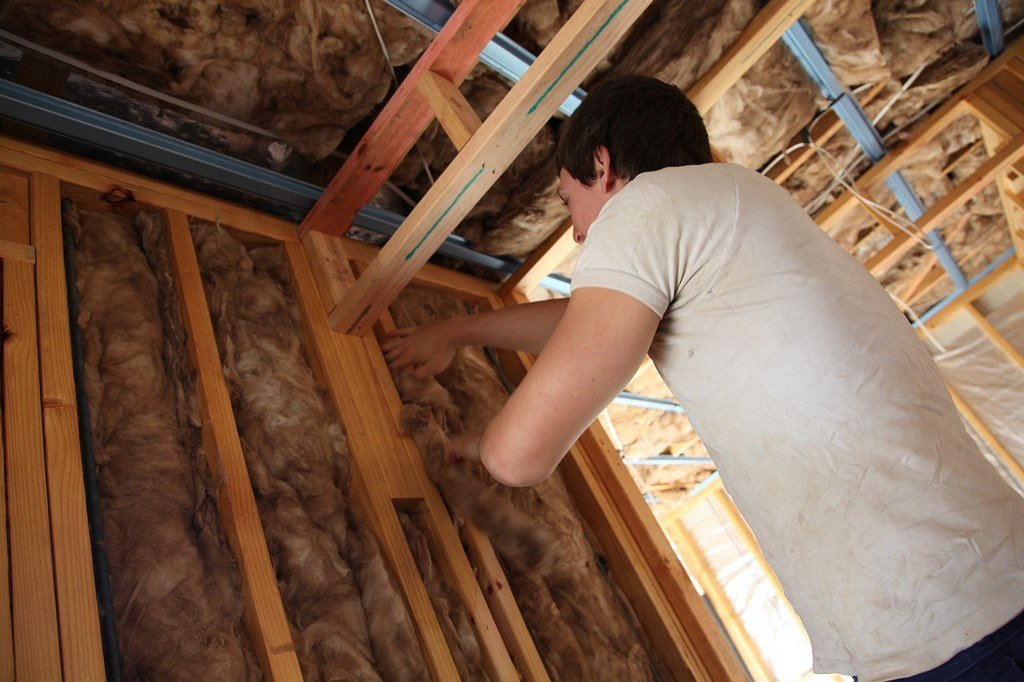
image - How Often Should Insulation be Replaced
How Often Should Insulation be Replaced

Read Also:

  • How Proper Insulation Can Keep Your Home Cool And Warm All Year Round
  • Sound Insulation – Top Ten Reasons Why You Need It
  • 7 Effective Ways to Soundproof Your Home
  • How to Insulate Your Doors for the Winter
  • 5 Tips to Make Your Home Look Expensive

Factors that Affect the Lifespan of Insulation

There are many factors that could reduce the lifespan of insulation over time. These include:

  • Movement of insulation – If insulation was not secured properly during installation and moves, it could create gaps that significantly reduce the effectiveness of your insulation.
  • Moisture damage – Water leaks, storm damage or excess condensation can have a detrimental effect on insulation.

If bulk insulation gets wet, the millions of air particles can be compressed, making them ineffective at reducing heat flow.

  • Mould growth – Water damage can also lead to mould growth which is not only bad for the insulation but also poses a health risk for your home.
  • Dirt and dust – If insulation gets too dirty or dusty it could compromise its effectiveness.

This is true especially for reflective insulation which requires the thin foil layer to be clean in order to reflect radiant heat away from your home.

  • Infestation – Rats, mice or other creatures in your ceiling can cause significant damage to your insulation.
  • Old age – As with any object, insulation becomes less effective as it ages, due to natural wear and breakdown.

How do You Know When You Need New Insulation?

If you are experiencing any of the following, it could be time to replace your insulation. We recommend that you consult a specialist to make an assessment.

  • High energy bills – When insulation is less effective, you’ll probably turn more frequently to artificial means of heating and cooling which will be reflected in your power bill.
  • Fluctuating indoor temperatures – Effective insulation helps keep your home cooler in summer and warmer in winter.

So, if your insulation isn’t working effectively, the inside of your home could heat up or get cold easily depending on the outdoor temperature.

  • Difficulty heating or cooling indoors – If your air conditioner or heater is working hard, but not making much of a difference to indoor temperatures, chances are your insulation is not working properly.
  • The touch test – If your floor or walls feel very cold or way too hot to touch, it could be due to a problem with your insulation.

Can I Put New Insulation on Top of Old?

In some circumstances, it might be possible to top up old insulation instead of replacing it completely.

However, if insulation is damaged or mouldy it should be cleared out completely before installing new insulation.

Some great options for topping up or replacing your existing insulation are Earthwool Insulation , glass wool and polyester batts.

These products are easy to handle and great for DIY projects, especially Earthwool Insulation which is soft to touch and provides excellent thermal properties for residential and commercial buildings.

Total
2
Shares
Share 0
Tweet 0
Pin it 2
Share 0
Share 0
Previous Article
Featured image - Alternative Energy Sources: Is It Feasible to Generate Your Electricity?

Alternative Energy Sources: Is It Feasible to Generate Your Electricity?

  • Perla Irish
  • July 19, 2020
View Post
Next Article
Featured image - Why You Need a Reticulation System

Why You Need a Reticulation System

  • Perla Irish
  • July 19, 2020
View Post

Subscribe

Subscribe now to our newsletter

You May Also Like
Wall-mounted ductless mini split air conditioner in a modern living room
View Post

Maintenance Practices That Extend Ductless Heating and Air System Life

  • February 14, 2026
Ceiling HVAC air vents integrated into a quiet residential living room
View Post

How HVAC Systems Actually Work (and Why They Often Feel Inefficient at Home)

  • February 4, 2026
Wall-mounted home thermostat and HVAC air vent in a quiet residential hallway
View Post

Understanding Home HVAC Systems: What Actually Matters, What Doesn’t, and When to Act

  • February 4, 2026
Air conditioner integrated into a calm residential living space during daytime
View Post

Why Your Air Conditioner Is Not Blowing Cold Air (And What That Usually Means)

  • January 31, 2026
Wall-mounted air conditioner in a quiet living room during daytime
View Post

Leaving the Air Conditioner On All Day: When It Helps, When It Quietly Backfires

  • January 31, 2026
Shower water flow in a bathroom affected by hard water
View Post

How to Soften Hard Water for Showering and Bathing

  • January 19, 2026
Soft daylight showing mild hard water residue on a residential window
View Post

A Calmer Way to Deal With Hard Water Stains on Windows

  • January 2, 2026
Chrome and nickel finishes shown in real home lighting, highlighting reflective chrome and softer nickel surfaces
View Post

Chrome vs. Nickel Finishes: What Works Best in Real Homes

  • December 31, 2025
  • About
  • Privacy Policy
  • Terms of Use
  • Disclosure
  • Sitemap
  • Contact Us

Input your search keywords and press Enter.