• Home Improvement
    • DIY
    • Remodeling
    • Woodworking
    • Home Design
      • Furniture
      • Organize
      • Tips
      • Decor
        • Interior
        • Exterior
    • Design Ideas
      • Bathroom
      • Bedroom
      • Dining Room
      • Living Room
      • Kitchen
  • Gardening
    • Backyard
    • Front Yard
    • Landscaping
  • Building Staircase
  • Categories
    • Home Improvement
    • Decor
    • Gardening
    • Woodworking
    • Lifestyle
    • Green Living
    • Real Estate
Dream Lands Design
  • Home Improvement
    • DIY
    • Remodeling
    • Woodworking
    • Home Design
      • Furniture
      • Organize
      • Tips
      • Decor
        • Interior
        • Exterior
    • Design Ideas
      • Bathroom
      • Bedroom
      • Dining Room
      • Living Room
      • Kitchen
  • Gardening
    • Backyard
    • Front Yard
    • Landscaping
  • Building Staircase
  • Categories
    • Home Improvement
    • Decor
    • Gardening
    • Woodworking
    • Lifestyle
    • Green Living
    • Real Estate
featured image - How to Prepare for A Truck Loader Crane Delivering Products to Your Home or Building Site

How to Prepare for A Truck Loader Crane Delivering Products to Your Home or Building Site

  • Perla Irish
  • March 9, 2021
Total
2
Shares
0
0
2
0
0

If you’re tackling a large renovation project yourself, you’ll find that many building materials will arrive on a truck that has a crane mounted either just behind the cab or hanging off the back.

This truck-mounted crane enables a driver to load and unload materials. The types of construction items they might deliver with a crane include roofing trusses, framing, bricks, pavers, and larger metal structures.
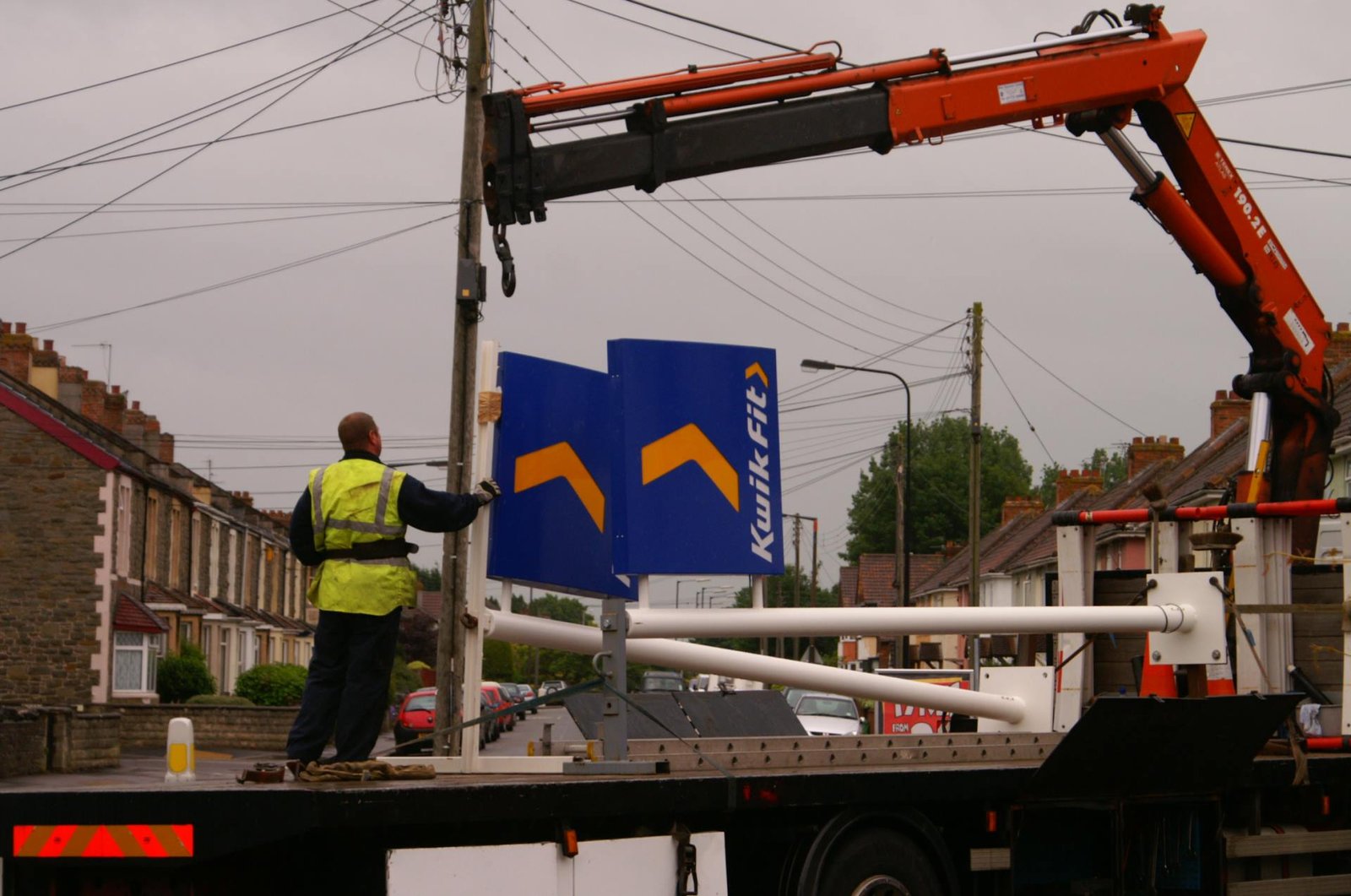
image - How to Prepare for A Truck Loader Crane Delivering Products to Your Home or Building Site
How to Prepare for A Truck Loader Crane Delivering Products to Your Home or Building Site

A driver must have a truck loader crane certificate . This certificate ensures that the driver knows two things:

  • How to safely rig and sling a load (i.e. what type of lifting gear is required, how much lifting gear is required, and how to attach it to the load)
  • How to operate the crane (i.e. how to safely use the crane without overloading it, damaging it, getting it stuck, or putting at risk any people or structures)

The two main considerations when a truck-mounted crane is delivering to your site are:

  • Where will the truck unload from?
  • Where do you need the crane to place the load?

A truck-mounted crane will have between two and five axles to spread the load, but a heavy truck can still sink into the ground if it’s soft, so you need to ensure that the unloading point is firm and as flat as possible – cranes can’t unload from slopes as they slip on the blocking pads.


Read Also:

  • 8 Reasons Why You Should Work with Architects When Building Your Dream Home
  • 5 Things You Should Consider When Building a Dream House
  • Insightful and Informative: Sloping Site Specialist Builders
  • The Latest in Green Building Trends
  • Guide to Building Your Own Home

Blocking pads are square pads that sit under the outriggers, and the outriggers are legs that extend from the side of the truck to give it more stability when lifting out to the side.

Truck loader cranes are not permitted to operate within certain distances of live power lines – this varies depending on the country of operation.

The type of crane and its rated capacity will determine how far a load can be lifted from the truck before it tips over. The heavier the load, the shorter the distance it can lift because of the leverage on the truck.

This can be a problem if you are in a rear section and you need to get materials down a narrow driveway – you may end up having to hire a disproportionately large crane to get the materials close enough, or requiring another piece of equipment such as a Moffett off-road forklift which comes on a delivery truck – this is a valid alternative to a crane in some cases.

Now you have to think about where you are lifting the materials to, and how you will get them from the drop-off point to the final location if they are not being fitted immediately.

Things like trees, wind, and other buildings cause problems when placing a load with a crane. The materials should be placed where:

  • They are not obstructing vehicles
  • They don’t pose a risk to workers
  • The damage will not occur to them (e.g. from the weather and other site users)

You may need to put down dunnage for materials to rest on if they will be lowered to the ground. If you are delivering high, e.g. roofing materials to the roof, check that the scaffolding and roof structure is capable of handling the load in one place or whether it needs to be divided across a number of places.

Before the crane arrives, ensure all other tradespeople on the site know that a crane will be coming. You can do that in a stand-up or toolbox site meeting at the beginning of the day.

A site manager may be able to be the spotter for the crane driver if the delivery is tricky. If it’s windy, you may need a dogman with a control line to stop the load from spinning.

If traffic is disrupted because you have to block a lane, you may need to get a traffic control company involved.

Safety is of paramount importance when dealing with heavy loads that are suspended. The load could drop or the truck could tip.

Stay out of the way, never walk underneath a suspended load and follow the directions of the driver.


Total
2
Shares
Share 0
Tweet 0
Pin it 2
Share 0
Share 0
Previous Article
featured image - How Can I Make My Lawn Look Good Without Grass

How Can I Make My Lawn Look Good Without Grass?

  • Perla Irish
  • March 9, 2021
View Post
Next Article
featured image - 5 Mistakes to Avoid When Repairing Your Crawl Space

5 Mistakes to Avoid When Repairing Your Crawl Space

  • Perla Irish
  • March 9, 2021
View Post

Subscribe

Subscribe now to our newsletter

You May Also Like
comfortable home office workspace with desk near window and natural lighting
View Post

How to Create a Comfortable Home Office That Supports Everyday Work

  • March 9, 2026
Modern household appliances including refrigerator, washer, dryer, and dishwasher inside a contemporary home interior
View Post

How Modern Home Appliances Changed Daily Life in Today’s Homes

  • March 7, 2026
Installed sump pump system in residential basement concrete floor basin
View Post

Sump Pump Maintenance Checklist: How to Keep Your System Ready Before the Next Storm

  • February 28, 2026
Wall-mounted ductless mini split air conditioner in a modern living room
View Post

Maintenance Practices That Extend Ductless Heating and Air System Life

  • February 14, 2026
Ceiling HVAC air vents integrated into a quiet residential living room
View Post

How HVAC Systems Actually Work (and Why They Often Feel Inefficient at Home)

  • February 4, 2026
Wall-mounted home thermostat and HVAC air vent in a quiet residential hallway
View Post

Understanding Home HVAC Systems: What Actually Matters, What Doesn’t, and When to Act

  • February 4, 2026
Air conditioner integrated into a calm residential living space during daytime
View Post

Why Your Air Conditioner Is Not Blowing Cold Air (And What That Usually Means)

  • January 31, 2026
Wall-mounted air conditioner in a quiet living room during daytime
View Post

Leaving the Air Conditioner On All Day: When It Helps, When It Quietly Backfires

  • January 31, 2026
  • About
  • Privacy Policy
  • Terms of Use
  • Disclosure
  • Sitemap
  • Contact Us

Input your search keywords and press Enter.