• Home Improvement
    • DIY
    • Remodeling
    • Woodworking
    • Home Design
      • Furniture
      • Organize
      • Tips
      • Decor
        • Interior
        • Exterior
    • Design Ideas
      • Bathroom
      • Bedroom
      • Dining Room
      • Living Room
      • Kitchen
  • Gardening
    • Backyard
    • Front Yard
    • Landscaping
  • Building Staircase
  • Categories
    • Home Improvement
    • Decor
    • Gardening
    • Woodworking
    • Lifestyle
    • Green Living
    • Real Estate
Dream Lands Design
  • Home Improvement
    • DIY
    • Remodeling
    • Woodworking
    • Home Design
      • Furniture
      • Organize
      • Tips
      • Decor
        • Interior
        • Exterior
    • Design Ideas
      • Bathroom
      • Bedroom
      • Dining Room
      • Living Room
      • Kitchen
  • Gardening
    • Backyard
    • Front Yard
    • Landscaping
  • Building Staircase
  • Categories
    • Home Improvement
    • Decor
    • Gardening
    • Woodworking
    • Lifestyle
    • Green Living
    • Real Estate
featured image - How to Repair Walls to Give Rooms a Fresh Face

How to Repair Walls to Give Rooms a Fresh Face

  • Perla Irish
  • September 20, 2021
Total
2
Shares
0
0
2
0
0
Table of Contents Show
  1. Wallpapering
  2. Rebuilding the Wall
  3. Repairing Dents
  4. Dealing with Cracks
  5. Re-Plastering
  6. The Bottom Line

Whether you have just moved in or have been living in the same home for years, at some point you’ll decide it is time to decorate or renovate.

The simplest solution to give any room a fresh and modern look is to give it a new coat of paint. This is comparatively easy. You can sand the existing wall and add a coat of primer to ensure the final color is the same across the wall. To finish you’ll need to apply your chosen top coat.
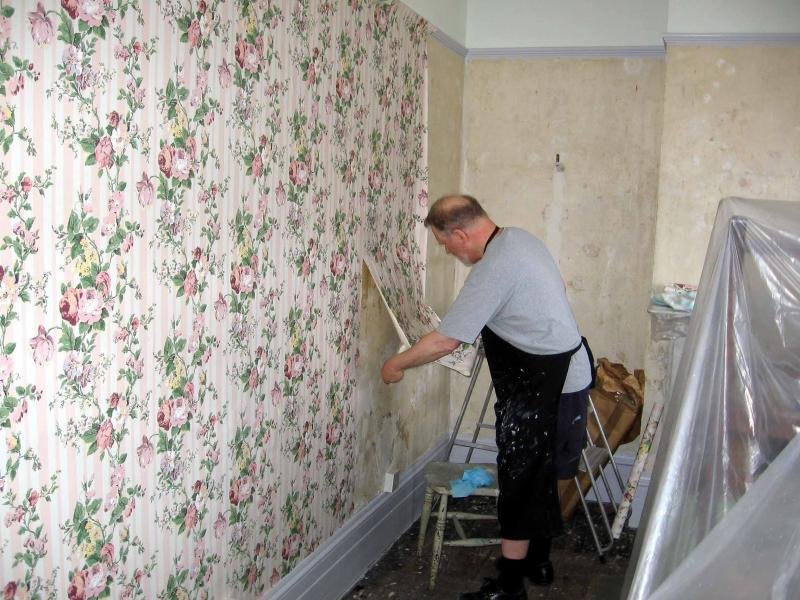
image - How to Repair Walls to Give Rooms a Fresh Face
How to Repair Walls to Give Rooms a Fresh Face

It’s then possible to step back and admire your work. The problem is that while the room will instantly look different and potentially more colorful, you may not be happy with the results!

Paint tends to enhance the bumps, scratches, and cracks in a wall. In effect, painting it will highlight all the issues with your wall. If you want to be satisfied with the results you’re going to need to do the job properly.

Wallpapering

It should be noted that using wallpaper is an option. However, you’ll need to use a thicker wallpaper if you want to cover all the cracks and dips in your wall. In addition, this can often make it much more difficult to change the look of the room again in the future.

Rebuilding the Wall

Most people won’t think about rebuilding the wall unless theirs is seriously damaged or has sections missing. However, the truth is that this is the most effective way to get a perfect finish.

As an added bonus, polymer formwork can even be created so that sections can be removed. That’s perfect for maintenance in the future.

Rebuilding the wall or adding a new cover is as easy as attaching metal strips and slotting the associated drywall into position. The professionals can put a new façade on a wall or create one from scratch in a very short space of time.

You can then paint it and admire it. There is no better, long-term solution.


Read Also:

  • Wall Improvement: What To Put On All Those Walls?
  • Give Your Home a Brand-New Look with Wall Art
  • What’s New in Wall Decor for 2020?
  • Essential DIY Wall Decor Tips

Repairing Dents

If you prefer to work with what you have then you’ll need to learn about how to repair dents and dinks in your wall. It’s natural for a wall to develop these as time passes. Furniture and children’s toys are the biggest culprits but anything can damage a wall.

To deal with a dent you’ll need to add filler to the wall. You can purchase this ready mixed or mix it yourself. It’s best to overfill the dent or hole and then sand it back level to the wall.

Don’t forget, if you are dealing with a large hole you’ll need to use mesh across the hole. It gives the filler something to adhere to.

Dealing with Cracks

Cracks are similar to dents and holes but generally much thinner. This can make them more difficult to fill properly. That’s why the best approach is to widen the crack. This will make it easier to add the filler, sand it, and get a good finish.

Once you’ve widened the crack you’ll need to clear all the loose debris out, a vacuum can be a good idea for this. You can then apply your filler.

You should note that cracks over 25mm are considered serious. It’s a good idea to have them checked by a professional before going any further.

Re-Plastering

Once you start looking at your walls you’ll probably realize there are a lot of fine cracks, dents, and even holes. This can make it time-consuming to prep them all, fill them, sand them, and then repeat if necessary.

The best option is the new façade as already mentioned.

However, if you prefer you can re-plaster the walls. This means adding a coat of plaster to the top of the existing walls.

It should be noted that plastering is a skill that takes practice and it’s not easy to sand once it has been set. That’s why, if you decide plastering is the way to go, you are best letting the professionals handle it.

The Bottom Line

All the above methods allow you to create a perfect wall that can then be painted and look fantastic. However, the best long-term and cost-effective solution are to replace the façade. It’s simple and very effective. What more can you ask for.


Total
2
Shares
Share 0
Tweet 0
Pin it 2
Share 0
Share 0
Previous Article
featured image - What is a Good Shed Size?

What is a Good Shed Size?

  • Perla Irish
  • September 20, 2021
View Post
Next Article
featured image - How Many Exams are there for CCNP Security?

How Many Exams are there for CCNP Security?

  • Perla Irish
  • September 20, 2021
View Post

Subscribe

Subscribe now to our newsletter

You May Also Like
A modern whole-home water softener system installed alongside copper plumbing lines in a clean residential utility room
View Post

The Real Science Behind Water Softeners: Home Protection, Energy Savings, and System Longevity

  • September 20, 2026
Landscaping measuring tape resting on crushed granite aggregate spread over a prepped garden path base
View Post

How to Estimate Gravel and Aggregate for Home Landscaping Projects Without Overordering

  • September 14, 2026
A clean pickup truck bed coated with a textured black spray-in bed liner filled with contractor tools and lumber
View Post

Why Spray-In Bed Liners Make Sense for Hard-Working Pickup Trucks

  • September 11, 2026
Close-up of heavy-duty industrial lift components and steel guide rails inside a commercial elevator hoistway
View Post

Why Quality Lift Components Matter for Safety, Reliability and Performance

  • September 3, 2026
An organized modern workshop with a high ceiling unit heater mounted near the ceiling
View Post

How to Properly Size Unit Heaters for Garages, Workshops & Commercial Spaces

  • August 31, 2026
A clear glass window sill with a potted eucalyptus plant and a view of a sunlit backyard garden
View Post

Practical Solutions for the Most Annoying Window Cleaning Problems

  • August 19, 2026
Classic double-brick older Ontario home showing winter energy efficiency and cozy indoor lighting
View Post

Improving Home Comfort and Energy Efficiency in Older Ontario Homes: A Technical Retrofit Guide

  • August 14, 2026
Uneven concrete driveway with a sunken slab outside a modern suburban home
View Post

Uneven Concrete: Why It Happens, Why It Matters, and What Leveling and Lifting Can Do About It

  • August 4, 2026
  • About
  • Privacy Policy
  • Terms of Use
  • Disclosure
  • Sitemap
  • Contact Us

Input your search keywords and press Enter.