Table of Contents Show
Even if your area isn’t prone to winter storms, you never know what will happen, and it may end up affecting your electrical outlets.
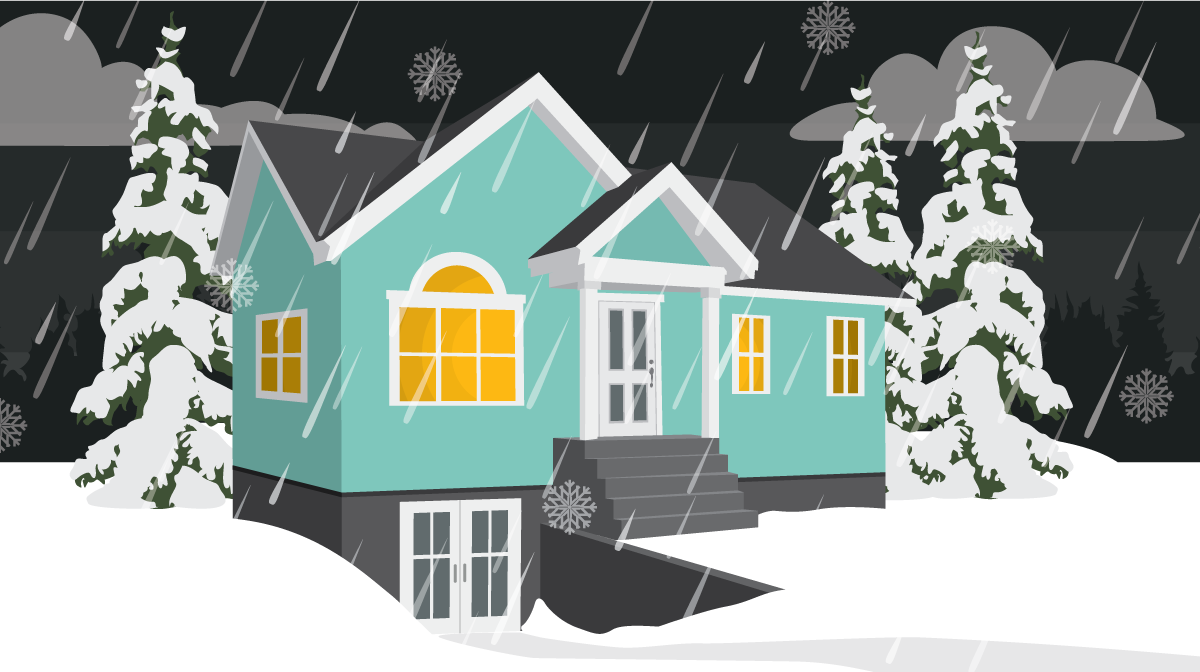
To prevent serious damage and injury in the house, make sure to follow these tips to protect your home electrical systems from harsh weather conditions:
Read Also:
Be Prepared for Anything
The first thing you should do to protect your home is to prevent anything from happening, rather than to wait until the storm comes in.
Rather than letting damage happen from the storm, prepare beforehand and learn all about what you should do in case of strong storms.
Furthermore, invest in the proper tools and equipment for the protection and repair of electrical systems.
That way, you won’t freeze up if a serious storm comes your way, destroying your electrical systems. Instead, you can fix any potential problems right away and focus more on snuggling up under a warm blanket.
Secure ALL Your Electrics
Once you have the proper knowledge and equipment prepared, make sure that your electrical systems are well-protected way before winter and its storms set in.
Make sure that you perform a thorough check-up since the last thing you’ll want is to witness your power points exposed to the elements, or having faulty electrical points at home.
Not only does this cause blackout, but it also results in danger in the house.
I highly recommend that you hire electrical contractors and call in the experts, who are well-equipped.
They are able to identify and solve any problems before they worsen, such as protecting exposed wires, waterproofing systems, among others.
All frayed wires should be replaced or repaired, or the entire wiring is thrown away for your safety, which saves you more money, time, and effort in the long run.
Remember, not only do winter storms cause danger from exposure to the harsh elements, but you might have pests and rodents chewing on electrical cables, particularly in the basement and roof.
Besides checking the outdoor electrical systems and wires, make sure that you have your indoor electronics checked and protected as well, including bigger appliances like your stove, oven, and even your electrical blankets.
What Happens During Power Outages
Depending on your location, power outages happen, particularly during the winter season and storms.
No one can predict when the blackouts happen, but you can still prepare ahead and prevent danger from happening. This prevents minor nuisances from becoming major disasters.
Here are things you can consider when preparing from power outages:
- Whether you’re working from home or simply protecting your computers and data, then you should have a USP installed.
This will make sure that you have an uninterrupted power supply, so no storms or power outages would affect your computer and the data you have.
- Generators are a huge investment for a lot of people, as it costs a lot of money and you’ll only use it a few times a year if you even use it at all.
However, they are very beneficial and worth the long-term investment, and even just a smaller Naples generator can keep your basic electronics running to keep you comfortable until the power comes back on.
It ensures you won’t have to worry about get-togethers being ruined by blackouts, or not being able to work properly because the Internet’s out.
- Homes usually have a lot of outdoor weather-proof power points, including pool lights and pumps, outdoor lights, reticulation boxes, and more.
Check all of these thoroughly, ensuring none of them are vulnerable to winter storms and other harsh weather conditions.
Prioritize You and Your Household’s Safety
Another way to ensure that no one experiences any electrical shocks at home is to have a safety switch. Switches are also called residual current devices, which help prevent electrical damage and disasters at home.
I also recommend that you invest in other safety devices and features that can help keep your home a more secure one, preventing electrical damage and serious injuries during winter storms from harsh weather conditions.
When doing this, make sure that you have qualified and licensed experts install this on your own.
Learn About the Electrical Hazards Afterward
Once any winter storms have passed, that doesn’t mean you are safe from any danger and risks. Even after the storm, keep track of the news, listening to the radio, or following social media for warnings and weather updates.
If ever there is no power, call your local power company and check your home and property, making sure that all electrical cables are in good condition, without any damage or pose threats. This also includes any power lines, not only the ones at your house.
Wrapping It Up
When you want to protect your electrical systems, you have to make sure that you take preventative measures and learn more about what to do to keep your wires safe. Follow these tips and start preparing for the winter season as early as now!