Table of Contents Show
If you’re in the kitchen as often as I am, then you’d know that investing in high-quality cookware is one of the most important things you can do for yourself.
But, cleaning and maintaining pots and pans can be the tricky part considering how boring the daily maintenance can be.
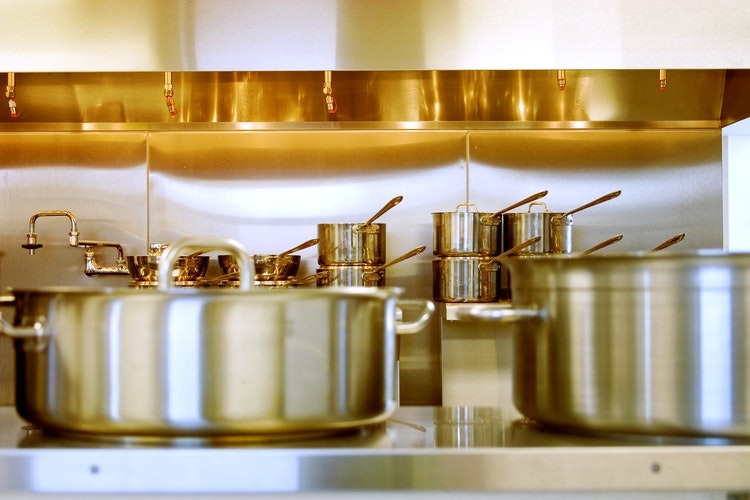
I don’t know about you, but cleaning my pots and pans is the last thing I’d want to do after some minutes or hours of standing in the kitchen.
That’s why these 6 tips come in handy for any cook looking to save hours in the kitchen and preserve the integrity of the cookware.
Read Also:
1. Read the Instructions First
When it comes to most cookware materials (i.e. ceramic, stainless steel or cast iron), the way in which you clean or care for it will determine how long it will last in the kitchen.
Most cast iron cookware, for example, isn’t designed to be dishwasher-friendly because of the excessive water.
So, when you go ahead and use the dishwasher, it can (and probably will) damage the quality of the pot or pan. The same goes for ceramic and cast iron – the less abrasive you are while cleaning, the longer it will last.
I must say, most pots and pans are pretty fragile, so the cleaning process is a very important step to be aware of.
2. Cleaning and Seasoning Cookware
Investing in kitchenware often means one thing: agreeing to the oftentimes tedious care that comes with most pots and pans.
If you own any cast iron skillets in your kitchen, then you probably know that seasoning is so important. Ignoring this can result in your food sticking to the pan or even easily burning.
While cleaning, it’s always recommended to use a gentle sponge or cloth rather than abrasive tools. That’s because high-quality cookware comes with a nonstick feature that can easily be removed with harsh detergents or tools.
Without the nonstick coating, cooking would be more frustrating because the quality of the food would definitely not be the same.
Tip: Deeply clean or season your cookware at least once a month to maintain its quality.
3. Using Metal Tools Should be Avoided
Cast iron, stainless steel, and ceramic cookware all have one thing in common which is fragility. Using metal tools to scratch the surface of the pot or pan, or perhaps cooking with them should really be avoided.
Rather, using wooden or plastic spoons and spatulas is a better idea considering they don’t scratch or remove the nonstick coating (which is an important feature of most high-quality pots and pans).
I remember when I first invested in expensive cookware – boy did I ruin its quality. Since I didn’t know to use metal tools, I noticed my pan lost its coating which meant the food I cooked didn’t have that rich flavor as before… sad, right?
4. Coat Cookware with Warm Water before Cleaning
Ever noticed how much harder it is to clean dry pots and pans? I know it can be tempting to leave cookware out in the kitchen after cooking, but immersing it in water can reduce any effort on your part to scrub every pot and pan.
Whenever you use water to absorb any dry food or oils, it makes cleaning so much easier and faster. Plus, since the pots and pans already have a coating, all you’d need to do is use a gentle cloth or sponge to remove any remaining food stains.
But, remember that cast iron can easily rust, so don’t soak the whole body in water. Rather, only soak the internal face.
5. Remember to Fully Dry the Cookware
If you’d like to avoid rust and or chipping, then you might want to fully dry your cookware before storing it back into the cabinet.
Since days will come that you might not be fully present in the cleaning of your pots and pans (I totally understand), making it a habit can, however, can be detrimental to the quality of your cookware.
The pre-longed presence of water can cause most pots and pans to rust which wouldn’t make them a good idea to cook in. By using a micro-fiber cloth, would make completely absorbing water much easier… and reduce the likelihood of excess water remaining in the pot or pan.
6. Reduce Your Cooking Temperature
Did you know that cooking on super high heat can cause a problem with your cookware’s nonstick coating? It’s always recommended to not go above the temperature instructed by the manufacturer of your cookware.
This will not only preserve the coating of your pots and pans but also reduce the chances of having burnt or overcooked food due to high heat.
I promise that your food will cook evenly on medium heat. Personally, medium heat is the perfect cooking temperature for me because it gives you more control in the kitchen. It also ensures that your food is evenly cooked.
Conclusion
High-quality pots and pans are a must in any cook’s kitchen, but ensuring that they last you for a long period of time is the most important part.
Frequent maintenance does two things for your cookware: maintain its quality and ensure durability remains at the forefront in the kitchen.
That’s why understanding how to care for different materials such as ceramic, cast iron, and stainless is a vital part of keeping all the pots and pans in tip-top shape.
Need information and tips about the home and kitchen area? livingindoor in the right place.
About the Author
Rachel Mukando is a certified Health Coach who coaches people to reach their health and wellness goals. She loves to find the best deals for the home which gives a helping hand to anyone living a busy lifestyle. When she has free time, Rachel loves to cook, film, and travel the world to experience life outside the norm.