• Home Improvement
    • DIY
    • Remodeling
    • Woodworking
    • Home Design
      • Furniture
      • Organize
      • Tips
      • Decor
        • Interior
        • Exterior
    • Design Ideas
      • Bathroom
      • Bedroom
      • Dining Room
      • Living Room
      • Kitchen
  • Gardening
    • Backyard
    • Front Yard
    • Landscaping
  • Building Staircase
  • Categories
    • Home Improvement
    • Decor
    • Gardening
    • Woodworking
    • Lifestyle
    • Green Living
    • Real Estate
Dream Lands Design
  • Home Improvement
    • DIY
    • Remodeling
    • Woodworking
    • Home Design
      • Furniture
      • Organize
      • Tips
      • Decor
        • Interior
        • Exterior
    • Design Ideas
      • Bathroom
      • Bedroom
      • Dining Room
      • Living Room
      • Kitchen
  • Gardening
    • Backyard
    • Front Yard
    • Landscaping
  • Building Staircase
  • Categories
    • Home Improvement
    • Decor
    • Gardening
    • Woodworking
    • Lifestyle
    • Green Living
    • Real Estate
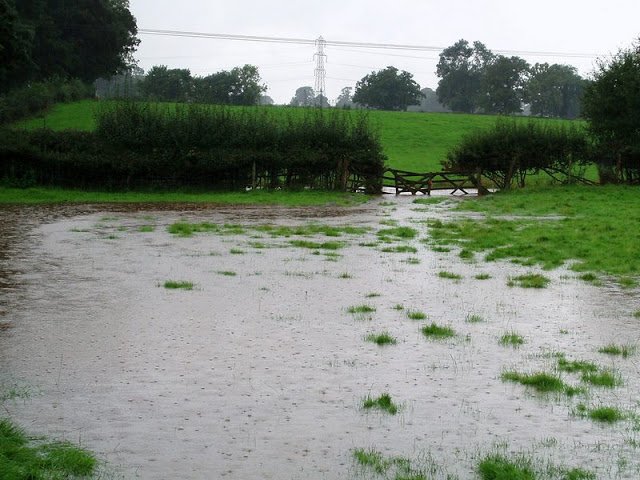
Flooded field

French Drain: Use Drain Tile to Route Water Away from Your House

  • Perla Irish
  • April 29, 2018
Total
4
Shares
0
0
4
0
0
Table of Contents Show
  1. Overview
  2. What is a French Drain
  3. Placement Considerations
  4. Drain Tile Installation
  5. Author & Editorial Review

Poor grading around a house, a depression in a yard or just plain poor drainage can lead to standing water, wet basements and myriad of problems associated with them. A French drain will move water away from your house, help you keep your home dry and solve your problems with standing water.

Overview

Soil that holds a lot of water can let that water seep into basements, around foundations and into crawlspaces. They water can also accumulate on the surface into ponds and standing, stagnant water. One solution is a ditch to drain standing water away. A ditch works, but its ugly, possibly dangerous and eventually it will fill in with silt and have to be dug out again. A better solution is a French drain installation.

What is a French Drain

A French drain is mainly a piece of pipe with holes along the bottom, laid in a ditch lined with landscaping cloth and filled in with stone. The pipe may also be wrapped in cloth as an extra measure of protection to keep the dirt out of the pipe, but allow water to pass enter it. The cloth acts as a filter, the ditch filled with stone behaves as a storage basin and the pipe drains the water away that enters the basin. Pressure in water-saturated soil forces the water out of the soil and into the French drain.

Placement Considerations

Remember that you are responsible for the water that leaves your property. Don’t direct water into the neighbors yard or adjoining property unless you have permission. Some communities prohibit French drains and that is a consideration as well. However, communities also have an obligation to allow you to protect your property and most will work with you to alleviate water problems. Two possible uses for French drains include draining water from gutters and sump pumps away from your home and moving run-off water from area to another. Ideally, all French drains lead downhill.

While understanding the basic principles of water flow is crucial for any drainage project, real-world scenarios often present complexities that go beyond simple downhill slopes. Factors like soil composition, property contours, and existing underground utilities can significantly impact a drain’s effectiveness and longevity.

For persistent water accumulation or widespread issues, a professional assessment can identify the root cause and recommend a comprehensive strategy. Addressing these underlying problems effectively often requires specialized knowledge and equipment, ensuring that any yard drainage repairs are durable and truly solve the issue. This proactive approach helps prevent future damage and maintains your property’s integrity.

Drain Tile Installation

You’ll need a shovel, a straight, 8-foot long 2-by-4, 4-foot level, 4-foot wide landscaping cloth (the kind that lets water through), and perforated drainage pipe and washed stone for fill. Washed stone doesn’t have sand in it, it’s just stones.

How does a french drain work

Dig a ditch where you want to lay the drain. The ditch should be about 12-inches wide at the top, a minimum of 9 inches deep and as long as you need it to be. Try to shape the bottom of the ditch in a U-shape. As you dig, remember the drainage pipe must be pitched down 1/8-inch for every foot it travels. Lay the 2-by-4 on the bottom of the ditch and set the level on top of it to check the pitch. You should have to lift the end of the level 1 inch off the board for a 1/8-inch per foot pitch.

Lay the landscaping cloth in the bottom of the ditch with the edges up on either side. Place about an inch of stone in the bottom of the ditch, then place the pipe on top of the stone with the holes down. Continually measure the pitch to ensure you don’t have high spots on the pipe. As work along the ditch, fill it in with more stone but leave the top 2 or 3 inches of the ditch empty. Fold the landscaping cloth over the stone and fill in the top with more stone or with dirt.

If your soil is comprised of fine silts or clays, it is worthwhile to take the time to wrap the pipe with its own layer of landscaping cloth to keep silt from clogging the drain.

When the pipe exits the soil downslope from where it starts, finish your French Tile drain installation by covering the pipe with landscape cloth to keep animals, leaves and other debris out of the pipe.


Author & Editorial Review

Author: Perla Irish is a design and home-focused writer covering interior materials, everyday homeowner decisions, and real-world performance of residential finishes. Her work emphasizes clarity, practical context, and long-term usability over trends or transactional advice.

Editorial Review: This article was reviewed by the DreamlandsDesign editorial team with a focus on homeowner decision-making psychology, behavioral context, accuracy, and long-term relevance. Content is evaluated to ensure balanced explanations, clear intent, and alignment with Google Helpful Content and E-E-A-T quality standards.

Total
4
Shares
Share 0
Tweet 0
Pin it 4
Share 0
Share 0
Previous Article
Led grown lights useful

Can The Correct Led Grow Lights Increase Plant Resin Production?

  • Perla Irish
  • April 28, 2018
View Post
Next Article
Featured of How To Select The Perfect Mower For Your Needs

How To Select The Perfect Mower For Your Needs

  • Perla Irish
  • April 29, 2018
View Post

Subscribe

Subscribe now to our newsletter

You May Also Like
In-ground sprinklers watering a lush suburban garden lawn at golden hour.
View Post

How Does a Sprinkler System Add Value to Your Landscape?

  • December 8, 2025
Twilight backyard outdoor living space with a fire pit, cushioned seating, dining table, and an outdoor kitchen under a wooden pergola.
View Post

How to Design Your Dream Outdoor Living Space (From Landscaping to Fencing)

  • November 27, 2025
Arborist stump-grinding a backyard stump with PPE, turf protected by plywood, chips contained, area prepped for soil and seed.
View Post

Stump Removal: The Hidden Problems of Leaving Stumps in Your Yard

  • October 7, 2025
Homeowner mowing a healthy green lawn in summer as part of seasonal lawn care routine
View Post

Seasonal Lawn Care Tips: A Year-Round Guide for a Healthier, Greener Yard

  • August 12, 2025
Lush suburban front yard with green lawn, mature trees, colorful flowers, and a stone walkway leading to a welcoming house entrance.
View Post

Curb Appeal or Cash Drain? The Real Value of Landscaping

  • June 9, 2025
Modern farm with drones flying over green fields, farmers using tablets and machinery, highlighting innovation and sustainability in agriculture.
View Post

How Agri Pulse Enhances Your Competitive Edge in the Ever-Changing Farming Industry

  • April 19, 2025
Outdoor deck with cream-colored patio furniture, a wooden fence, and various flowering plants.
View Post

Patio vs. Deck: Which Outdoor Space is Right for You?

  • January 30, 2025
Choosing stones for Oahu rock walls
View Post

Choosing the Right Stone for Your Oahu Rock Wall

  • November 1, 2024

Leave a Reply Cancel reply

Your email address will not be published. Required fields are marked *

This site uses Akismet to reduce spam. Learn how your comment data is processed.

  • About
  • Privacy Policy
  • Terms of Use
  • Disclosure
  • Sitemap
  • Contact Us

Input your search keywords and press Enter.