Table of Contents Show
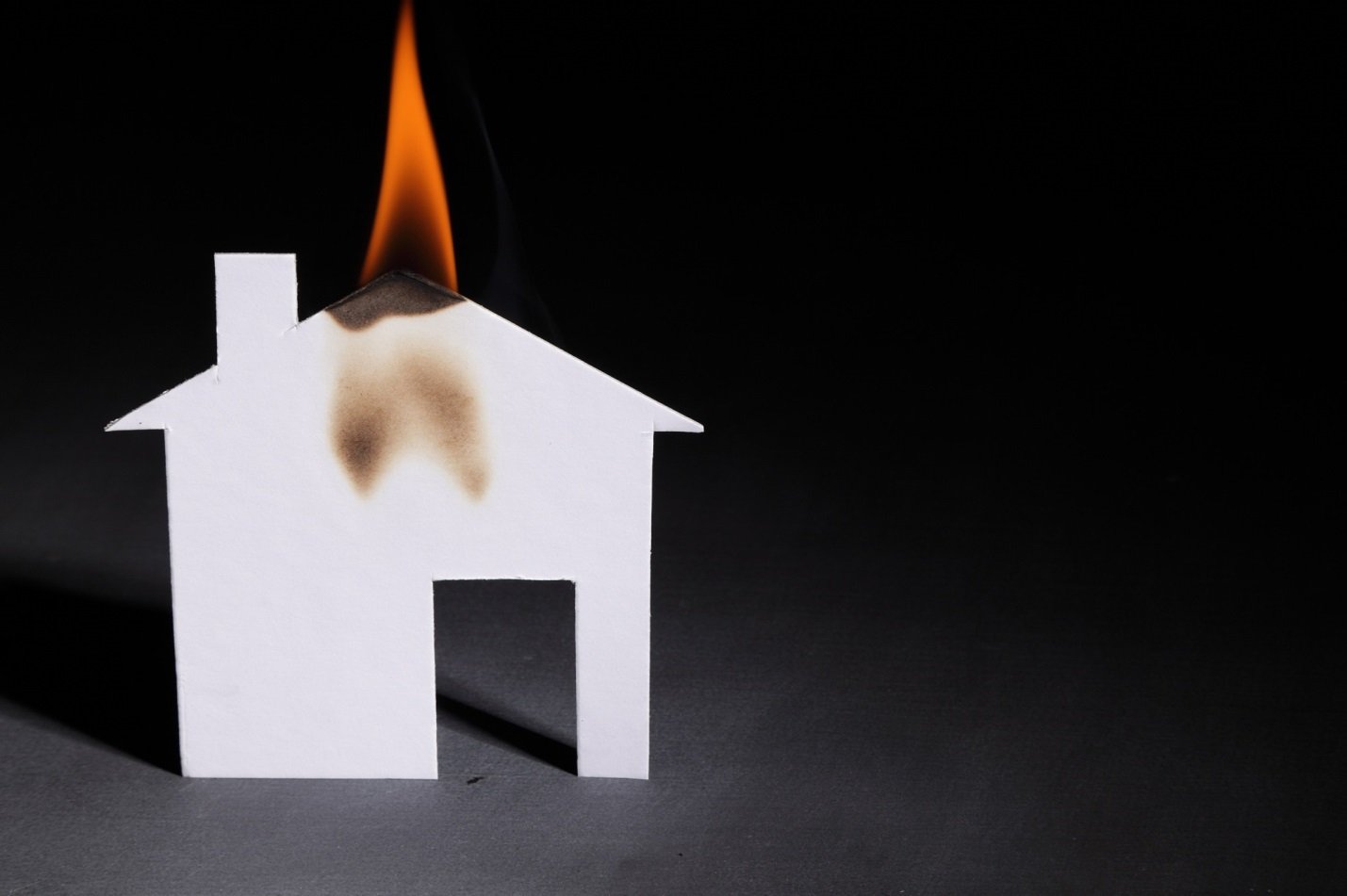
No one ever wants to think about the possibility that their house catches on fire, but unfortunately, this lack of consideration could be detrimental. As of 2019, fire in houses was more than one-quarter of reported fires.
Children are taught to stop, drop, and roll. As a homeowner, do you know how to save yourself and your family should your house catch fire?
If you want to learn the best home protection and fire reduction techniques in your home, this article is a must-read!
Read Also:
- How to Clean Up After Fire Damage and Get Rid of the Smoke Smell in Your Home
- Home Fire Safety Tips That Save Lives: How to Keep Your Home Safe
- Wireline Services: Why Instant Fire Damage Recovery Is Essential?
- Types of Fire Protection Equipment to Choose From
- 5 Tips for Preventing Fire Hazards in the Workplace
- How to Prevent House Fires: The Ultimate Guide
What to Do if Your House Catches Fire
Knowing what to do in case of a fire at home can save you and your family’s lives. These tips can help you survive a house fire:
Extinguish the Fire
The first thing you should try to do is extinguish the fire. If the fire is small, quick action can prevent it from spreading. To use a fire extinguisher, the acronym “PASS” can help you remember what to do:
- P = pull the pin.
- A = aim at the base of the flames.
- S = squeeze the fire extinguisher’s handle.
- S = sweep the liquid carbon dioxide spray from side to side until extinguished.
Make sure the fire isn’t smoldering to ensure the fire is out.
Crawl Along the Floor
If you need to escape your home from the fire, do your best to crawl along the floor to stay under the poisonous gasses in the smoke.
Inhaling too much can make you lightheaded, dizzy, and even lose consciousness, so stay as low as possible. Make your way to the closest exit, even if it’s a window.
Check Doors for Heat
If you need to use a door to escape, check the door with the back of your hand to see if it’s hot to the touch. A hot door could mean that there is a fire on the other side, so you should avoid that direction.
Run to Safety
Once you’re out of the active fire and smoke, run to a specified spot at a specified distance from your home. Parts of your home could fall, blow, or explode from your home, so across the street or even down the block may be ideal.
Experts recommend that you identify a meeting place for your family to avoid losing track of each other.
Call Help
Once you’re safely away from the fire, call 9-1-1 for help. If you don’t have a cell phone with you, ask your neighbors to borrow a phone and let the operator know your address.
Though it’s scary, try to stay on the line and answer as many questions as possible, so the professionals know what to do when they arrive.
It’s also crucial that you specify anyone or any pets who may be trapped inside. Including a name and description can help the firefighters find those in need more quickly.
What to Do if You’re Trapped Inside
If you can’t escape your home, cover any cracks that you can to block out the toxic fumes from the smoke. Wetting blankets, jackets, towels, etc. and blocking doors and vents can help you remain conscious until help arrives.
Call 9-1-1 and let them know what room you’re in and a description of where it is in the house.
You can also hang things out of a window if you’re on an upper floor, so it’s easy to see where you are. Do not try to navigate the fire, and if your clothes catch fire, stop, drop, and roll while covering your face with your hands.
How to Be Prepared
It’s never easy to have a conversation about something scary like a house fire, but you need to have a home fire escape plan for your family, so you all know what to do should one happen.
Some key things to consider:
- Identify a meeting place.
- If you have multiple kids, have them team up and be responsible for helping each other.
- If you have pets make sure you know who will be responsible for getting them out.
- Small children may benefit from practicing crawling out of their bedrooms and checking their doors.
- Teach your children how to call 9-1-1 in case you’re unconscious or injured.
- Make sure everyone in your house knows where the fire extinguishers are and how to use them.
- Check your smoke detectors every month.
After the Fire
If your home catches fire, what can you do to get your life back on track? If your home received a great deal of damage, consider calling in expert restoration help from https://www.renpros.com/fire-damage-restoration/ to get your home back. The Renovation Pros are:
- Insurance trusted.
- Experienced.
- Service driven.
- Items and belongings experts.
When it matters most, don’t trust your home repair with anyone but the best.
Where to Start
If you don’t have a fire escape plan in place, it can be overwhelming to figure out where to start. But, with the right strategy, you can prepare your family should this devastating even ever happen in your home.
Start by talking to your kids about fire safety, and refreshing all adults on the key facts listed above. Then make a plan for what to do if a fire occurs, how everyone should escape, and where you all will meet.
Lastly, set up reminders on your calendar or even a phone alert to remind you to check your fire detectors and extinguishers to keep you safe.
Don’t let the fear of this happening stop you from talking to your family about it and making a plan. The first step to surviving if your house catches on fire is making a plan!