• Home Improvement
    • DIY
    • Remodeling
    • Woodworking
    • Home Design
      • Furniture
      • Organize
      • Tips
      • Decor
        • Interior
        • Exterior
    • Design Ideas
      • Bathroom
      • Bedroom
      • Dining Room
      • Living Room
      • Kitchen
  • Gardening
    • Backyard
    • Front Yard
    • Landscaping
  • Building Staircase
  • Categories
    • Home Improvement
    • Decor
    • Gardening
    • Woodworking
    • Lifestyle
    • Green Living
    • Real Estate
Dream Lands Design
  • Home Improvement
    • DIY
    • Remodeling
    • Woodworking
    • Home Design
      • Furniture
      • Organize
      • Tips
      • Decor
        • Interior
        • Exterior
    • Design Ideas
      • Bathroom
      • Bedroom
      • Dining Room
      • Living Room
      • Kitchen
  • Gardening
    • Backyard
    • Front Yard
    • Landscaping
  • Building Staircase
  • Categories
    • Home Improvement
    • Decor
    • Gardening
    • Woodworking
    • Lifestyle
    • Green Living
    • Real Estate
Close-up of a brick wall with small cracks, a homeowner inspecting it, masonry tool nearby, and garden elements like gutters and downspouts in a realistic style.

Preventing and Repairing Masonry Cracks: A Homeowner’s Guide

  • Perla Irish
  • June 7, 2025
Total
3
Shares
0
0
3
0
0
Table of Contents Show
  1. Why There Are Cracks In Masonry
  2. Key Prevention Strategies
  3. Repair Techniques for Existing Cracks
  4. Reinforcing the Base: The Role of Parging
  5. Conclusion

Walls are made of bricks and concrete blocks, which can last longer; however, at some point in their lifespan, they develop cracks. Because of seasonal temperature changes, the soil settles, and moisture percolates into the structure to cause stress on mortar joints and bricks. When homeowners understand just how cracks get formed and ways to maintain them from forming, it actually saves them costs toward an appealing-looking, more long-lasting exterior for decades.

Why There Are Cracks In Masonry

Not every crack might indicate a serious structural issue, but every crack does provide a way for water to penetrate. Thin hairline cracks usually develop as a result of reducing and small temperature variations; wider and stair-stepped cracks could betray some sign of movement of the foundation. Caution and close observations need to be carried out over time on the size of the cracks and the pattern. This will make it clear if they really seem to be separating very fast or continue on the mortar joints as steps. Pulling in a qualified masonry contractor in the early days can save you a lot of hassle from a small problem later on.

Close-up of a brick wall with visible mortar joints, a hand applying sealant to cracks, surrounded by tools like a trowel and mortar mix in bright daylight.

Key Prevention Strategies

  1. Control Moisture — Water is masonry’s greatest enemy. Proper grading around the foundation, clear gutters, and functioning downspouts keep rain away from walls. Sealants and breathable water-repellent coatings add another layer of defense against prolonged moisture exposure.
  2. Provide Expansion Joints — Long runs of brickwork require periodic expansion joints to accommodate thermal movement. Without these joints, bricks may push against each other, creating pressure that leads to cracking.
  3. Maintain Mortar Joints — Repointing deteriorated mortar (especially on windward or sunny exposures) prevents water penetration and redistributes load evenly across the wall surface.

Repair Techniques for Existing Cracks

Once cracks appear, prompt action limits further damage. For fine surface fissures, flexible sealants may suffice. Wider gaps typically require removing loose mortar and repacking with fresh, color-matched material. In cases where cracks extend through brick faces, selective replacement of damaged units ensures strength and a uniform finish. Professional masonry crack repair combines careful cleaning, precise tooling, and matched mortar mixes so repaired areas blend seamlessly with original work.

Reinforcing the Base: The Role of Parging

The foundation is the first line of defense against moisture and structural stress. Applying a thin parging coat—essentially a protective layer of mortar—covers small surface flaws and seals minor voids in concrete or block foundations. Beyond aesthetics, foundation parging shields masonry from freeze-thaw cycles and redirects surface water away from vulnerable joints, greatly reducing the likelihood of new cracks forming at grade level.

Conclusion

Routine inspection, timely mortar maintenance, and strategic moisture control keep masonry walls resilient and beautiful. When cracks do appear, engaging skilled professionals for targeted repairs and protective parging ensures problems are solved at the source, preserving both the structural integrity and curb appeal of your home for years to come.


Total
3
Shares
Share 0
Tweet 0
Pin it 3
Share 0
Share 0
Previous Article
Wooden pergola attached to the house with strong beams.

How to Build a Pergola Attached to the House: Instructions and Drawings

  • Perla Irish
  • May 19, 2025
View Post
Next Article
Lush suburban front yard with green lawn, mature trees, colorful flowers, and a stone walkway leading to a welcoming house entrance.

Curb Appeal or Cash Drain? The Real Value of Landscaping

  • Perla Irish
  • June 9, 2025
View Post

Subscribe

Subscribe now to our newsletter

You May Also Like
A large modern casement egress window letting bright natural sunlight into a finished basement bedroom
View Post

Egress Windows: When You Need One and What It Costs

  • October 21, 2026
A modern bedroom illuminated by a warm LED flush-mount ceiling fixture and natural daylight
View Post

5 Steps to Replace Bedroom Ceiling Light with LED Fixtures

  • October 20, 2026
An organized residential garage featuring wall-mounted slatwall racks, clear plastic storage totes on industrial shelves, and overhead ceiling racks
View Post

How to Organize a Dumping Ground Garage: 7 Structural Storage Rules

  • October 14, 2026
A modern whole-home water softener system installed alongside copper plumbing lines in a clean residential utility room
View Post

The Real Science Behind Water Softeners: Home Protection, Energy Savings, and System Longevity

  • September 20, 2026
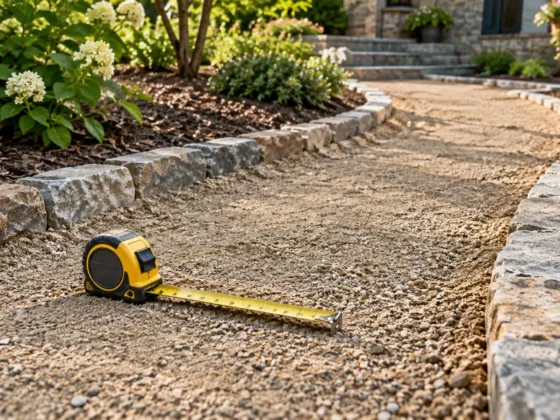
Landscaping measuring tape resting on crushed granite aggregate spread over a prepped garden path base
View Post

How to Estimate Gravel and Aggregate for Home Landscaping Projects Without Overordering

  • September 14, 2026
A clean pickup truck bed coated with a textured black spray-in bed liner filled with contractor tools and lumber
View Post

Why Spray-In Bed Liners Make Sense for Hard-Working Pickup Trucks

  • September 11, 2026
Close-up of heavy-duty industrial lift components and steel guide rails inside a commercial elevator hoistway
View Post

Why Quality Lift Components Matter for Safety, Reliability and Performance

  • September 3, 2026
An organized modern workshop with a high ceiling unit heater mounted near the ceiling
View Post

How to Properly Size Unit Heaters for Garages, Workshops & Commercial Spaces

  • August 31, 2026
  • About
  • Privacy Policy
  • Terms of Use
  • Disclosure
  • Sitemap
  • Contact Us

Input your search keywords and press Enter.