Table of Contents Show
Some dining rooms create a strange kind of frustration. On paper, everything works. The furniture fits the room, circulation feels comfortable, and the space serves its intended purpose. Yet the room never quite feels finished.
That feeling pushes many renovation projects in the wrong direction. Walls come down, flooring gets replaced, and budgets expand in pursuit of a problem that has little to do with square footage. The difference between a forgettable dining room and one people genuinely enjoy spending time in comes from smaller decisions involving light, proportion, texture, and visual balance.
The problem rarely comes down to square footage. What people respond to are the details they encounter every day: lighting, proportion, material choices, visual anchors, and the small architectural decisions that shape the experience of the room.
That is why some of the most noticeable improvements come from modest changes rather than major reconstruction. A dining room does not need to be rebuilt to feel different. It needs its strongest elements working together.
Start With the Largest Visual Surface in the Room
Most people notice furniture first. Designers often start somewhere else.
Walls occupy more visual space than anything else in a dining room. They create the backdrop for every meal, gathering, celebration, and everyday conversation.
When walls feel dated, empty, or disconnected from the rest of the home, the entire room absorbs that feeling.
A Fresh Paint Color Can Shift the Entire Mood
Paint remains one of the highest-impact updates available because it changes how light behaves throughout the room.
Soft warm neutrals create a relaxed atmosphere. Muted greens introduce depth without overwhelming the space. Rich earth tones can make a dining room feel more grounded and intimate, particularly during evening meals when artificial lighting becomes the primary light source.
Even a single accent wall can redefine the room, especially in open-concept homes where the dining area lacks clear visual boundaries.
Add Depth Instead of More Decoration
A common problem in dining rooms is an abundance of decorative objects paired with very little architectural interest. Architectural elements shape the room itself rather than simply occupying space within it.
Picture-frame molding, board and batten treatments, wood slat accents, and traditional wainscoting add structure rather than decoration. The walls begin to feel intentional instead of simply painted.
Unlike furniture purchases that may come and go with changing tastes, architectural details become part of the room itself. They continue contributing character long after trends move on.
Why Some Dining Rooms Feel Finished While Others Never Quite Come Together
Well-balanced dining rooms share a common trait. Attention settles naturally on a single element that anchors the space and gives the surrounding pieces a sense of order. Without that anchor, even expensive furniture can feel disconnected from its surroundings.
Artwork Often Solves What Furniture Cannot
Dining rooms occupy an interesting position within a home. They are social spaces, but they are also relatively still. Unlike kitchens, there are no appliances competing for attention. Unlike living rooms, televisions rarely dominate the walls.
That creates an opportunity for artwork to become a defining feature of the room.
A large-scale painting, a curated gallery arrangement, or a carefully selected print collection can introduce personality without creating visual clutter.
Selecting artwork becomes easier once pieces can be viewed within a curated collection rather than among thousands of unrelated options. Collections like those found at Art Heist Gallery illustrate how scale, framing, and color relationships influence a room long before a piece reaches the wall.
The strongest pieces do more than occupy wall space. They give the room a point of view and help distinguish it from every other dining room built from the same layout and finishes.
Mirrors Can Expand a Dining Room Without Moving a Wall
Mirrors remain one of the oldest design tools because they influence both light and perception.
Placed strategically, a large mirror reflects natural light, introduces depth, and creates a stronger sense of openness. In smaller dining rooms, that effect can feel surprisingly significant.
The goal is not simply to make the room look larger. The goal is to make the room feel less confined.
The Table Sets Expectations Before Anything Else
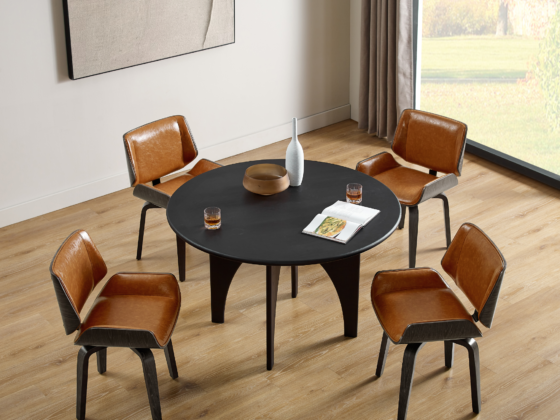
The table becomes the visual center of the room, whether people consciously notice it or not. Its size, shape, and placement influence how the entire space is perceived.
The table influences nearly every other decision in the room. Lighting is positioned in relation to it, seating is arranged around it, and the overall balance of the space is judged against its size and placement.
A dining room can contain beautiful finishes and carefully chosen decor yet still feel unbalanced if the table feels disconnected from the room. Sometimes the issue is size. Sometimes it is shape. In other cases, the table simply lacks enough visual presence to anchor the space.
The dining table works best when it functions as a focal point rather than just another furniture purchase. Once that anchor feels right, surrounding decisions become easier because the room already has a clear point of reference.
The strongest dining rooms rarely feel assembled one piece at a time. They feel organized around a clear center.
The Room You Experience Most Often Exists After Dark
Dining rooms reveal their character after natural light disappears.
During the evening, lighting becomes the element that determines whether the room feels inviting, flat, intimate, or disconnected.
Replace Undersized Fixtures
An undersized chandelier can make an otherwise beautiful dining room feel unfinished.
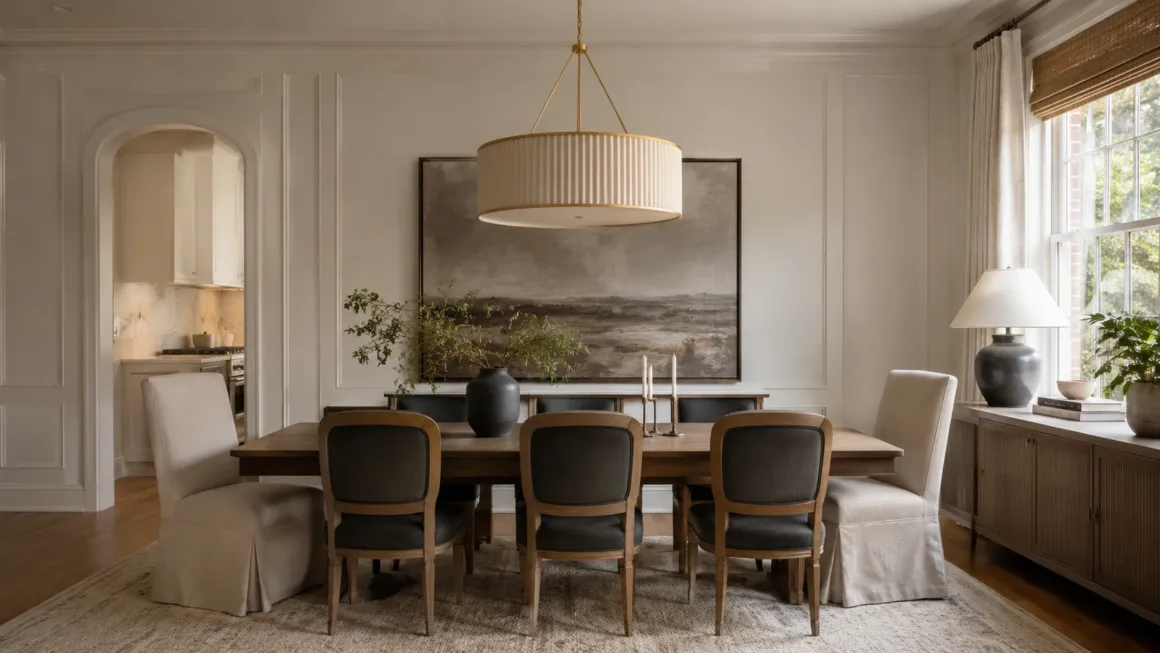
The fixture above the table acts as a visual anchor. It should feel proportional to both the table and the room itself.
In many dining spaces, replacing a dated fixture delivers a larger visual improvement than replacing the dining table underneath it.
Create Layers Instead of a Single Light Source
One overhead fixture forces a room into a single mood.
A layered lighting strategy creates flexibility. Wall sconces, accent lighting, dimmers, and carefully positioned lamps allow the room to adapt throughout the day.
The dining room used for a weekday breakfast does not need to feel identical to the room used for an evening dinner with friends.
The Difference Between Looking Comfortable and Feeling Comfortable
Hard surfaces dominate most dining rooms.
Wood, stone, glass, and painted drywall create visual clarity, but they can also make a room feel cold or acoustically harsh.
Area rugs, fabric dining chairs, drapery panels, and layered window treatments soften those edges. Choosing the right rug influences the room on both a visual and practical level, affecting comfort, acoustics, and the sense of definition around the table. The room becomes more comfortable both visually and acoustically.
These additions rarely attract attention individually. Their value comes from the atmosphere they create collectively.
Sometimes the Best Renovation Is a Better Arrangement
Before purchasing new furniture, evaluate the layout that already exists.
A dining room can feel awkward when circulation routes compete with seating. Chairs block movement, walkways narrow, and the room begins to feel crowded despite having enough space to function comfortably.
Furniture arrangements sometimes remain unchanged for so long that they begin to feel permanent, even when better options exist.
Dining rooms frequently inherit furniture arrangements that have remained unchanged for years. The layout feels permanent simply because nobody has questioned it. Moving a table a few inches, improving circulation around seating, or removing an unnecessary piece of furniture can change how the room functions without spending a dollar.
Rooms that feel crowded are not always too small. In many cases, they simply contain more furniture than the space comfortably supports. Creating additional breathing room often improves both movement and visual balance.
Small Architectural Details Leave Lasting Impressions
Crown molding, ceiling medallions, trim upgrades, and built-in features rarely dominate a room. Their influence works differently.
They create a sense of permanence.
These details give dining rooms the appearance of having evolved over time rather than being assembled from individual purchases.
Ceilings are especially easy to overlook because people spend most of their time looking straight ahead. Yet ceiling details influence how a room feels far more than they receive credit for. A plain ceiling can make a finished room feel incomplete, while even modest architectural accents often create a stronger sense of permanence.
Crown molding remains one of the simplest examples. It softens the transition between walls and ceiling, helping the room feel more cohesive. Ceiling medallions can provide additional visual weight above a chandelier, particularly in traditional and transitional interiors where the fixture serves as a central feature.
In older homes, details such as picture rails, decorative trim, and decorative ceiling mouldings often contribute as much character as the furniture itself. These elements rarely become the focal point of a room, but they quietly influence how finished the space feels.
Unlike furniture trends that change every few years, architectural details remain relevant because they become part of the room itself.
A Dining Room Should Not Feel Frozen in Time
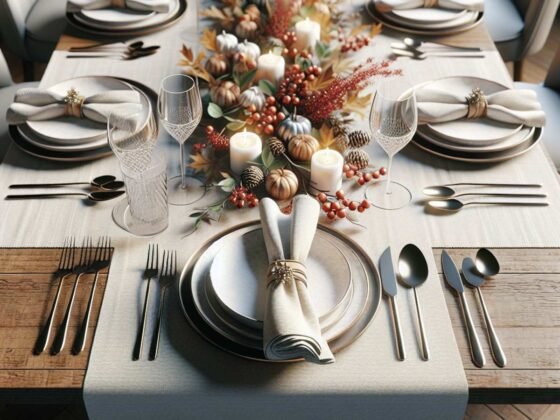
Unlike kitchens or bathrooms, dining rooms can evolve throughout the year without disrupting how the space functions. A different centerpiece, new linens, or seasonal materials can change the atmosphere more quickly than many renovation projects.
Major purchases attract most of the attention, yet smaller rotating elements often shape how the room feels from season to season. Table runners, centerpieces, seasonal branches, fresh flowers, candles, and natural materials can alter the mood of the room without affecting its overall design direction.
Seasonal changes work because they refresh the atmosphere without disrupting the room’s identity. Lighter textures often work well during warmer months, while deeper colors and layered materials create a more intimate atmosphere during colder seasons.
Browsing different seasonal table runner ideas is often enough to see how a relatively small change can shift the character of a dining area without requiring new furniture or construction work.
The strongest dining rooms maintain a consistent identity while leaving enough flexibility for occasional updates. That balance keeps the space feeling lived in rather than locked to a specific moment in time.
Not Every Empty Space Needs to Be Filled
One of the most common decorating mistakes appears near the end of a renovation.
As the room improves, the temptation to keep adding things grows stronger. Decorative objects accumulate, shelves become fuller, and walls collect additional artwork until the room begins to lose the breathing room that made the earlier improvements effective.
Eventually the room contains plenty of attractive things but very little breathing room.
Dining rooms benefit from restraint because empty wall sections give artwork room to breathe while open floor space improves circulation and reduces visual clutter. A sideboard with only a handful of carefully chosen objects creates a stronger impression than one crowded with accessories.
Good design is not always about what gets added. Sometimes it comes from recognizing when the room already has enough.
Good Dining Rooms Rarely Announce Themselves
The dining rooms people remember rarely stand out because of demolition work or oversized budgets. They leave an impression because the space feels resolved. The proportions feel natural, visual distractions stay under control, and each design decision supports the next rather than competing for attention.
Transformations like these rarely begin with demolition. They begin with a clearer understanding of which details shape the experience of a room and how those details work together.
Author & Editorial Review
Author: Perla Irish is a design and home-focused writer covering interior materials, everyday homeowner decisions, and real-world performance of residential finishes in consultation with licensed contractors and industry standards where applicable. Her work emphasizes clarity, practical context, and long-term usability over trends or transactional advice.
Editorial Review: This article was reviewed by the DreamlandsDesign editorial team with a focus on homeowner decision-making psychology, behavioral context, accuracy, and long-term relevance.