• Home Improvement
    • DIY
    • Remodeling
    • Woodworking
    • Home Design
      • Furniture
      • Organize
      • Tips
      • Decor
        • Interior
        • Exterior
    • Design Ideas
      • Bathroom
      • Bedroom
      • Dining Room
      • Living Room
      • Kitchen
  • Gardening
    • Backyard
    • Front Yard
    • Landscaping
  • Building Staircase
  • Categories
    • Home Improvement
    • Decor
    • Gardening
    • Woodworking
    • Lifestyle
    • Green Living
    • Real Estate
Dream Lands Design
  • Home Improvement
    • DIY
    • Remodeling
    • Woodworking
    • Home Design
      • Furniture
      • Organize
      • Tips
      • Decor
        • Interior
        • Exterior
    • Design Ideas
      • Bathroom
      • Bedroom
      • Dining Room
      • Living Room
      • Kitchen
  • Gardening
    • Backyard
    • Front Yard
    • Landscaping
  • Building Staircase
  • Categories
    • Home Improvement
    • Decor
    • Gardening
    • Woodworking
    • Lifestyle
    • Green Living
    • Real Estate
Featured of how to growing lingonberries

Growing Lingonberries, The Care and Nurture of Lingonberry Plants

  • Perla Irish
  • June 25, 2018
Total
0
Shares
0
0
0
0
0
Table of Contents Show
  1. Growing Lingonberries, What Are Lingonberry Plants?
  2. How to Growing Lingonberries Shrubs
  3. Planting Lingonberries
  4. Fertilizing and Pruning, Growing Lingonberries
  5. Harvesting Lingonberries

Growing Lingonberries. The lingonberry bush is a little-known relative of the cranberry that thrives in cold northern climates. Learn how to growing lingonberries, in your own landscape and harvest the edible fruit.

The lingonberry shrub is an evergreen plant that produces small, red berries that are edible. It is a close relative of the cranberry and also goes by the name Foxberry and Cowberry. If you are considering planting one of these unique shrubs, here is everything you need to know about how to growing lingonberries.
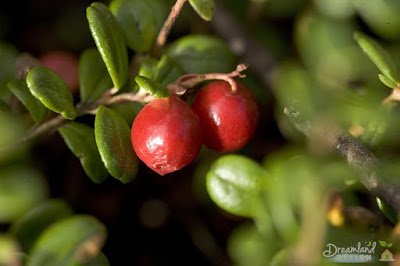
Pic of Growing Lingonberries - The Care and Nurture of Lingonberries
Growing Lingonberries

Growing Lingonberries, What Are Lingonberry Plants?

According to the University of Massachusetts Extension service, there are two varieties of lingonberry plants. The Vaccinium vitis-idaea, which is native to North America and blooms in the spring, and the Vaccinium vitis which is native to Europe and Asia and blooms in spring and fall.

In addition to being grown for the edible berries, the shrub is a cold-hardy species that is often used as an ornamental in the home landscape. Unfortunately, while the plants are cold tolerant, they are not heat tolerant. For this reason, growing lingonberries shrubs can only be grown in USDA growing zones 4 through 7.

How to Growing Lingonberries Shrubs

Growing Lingonberry bushes require full sunlight to produce the best berries. Although, if you are planting the bush only as an ornamental, it can also thrive in partial shade. Before planting, use a soil pH tester to ensure that the pH is at 5, which is slightly acidic. In general, lingonberries do well near pine trees, rhododendrons, azaleas and blueberries which all thrive in acidic soil.
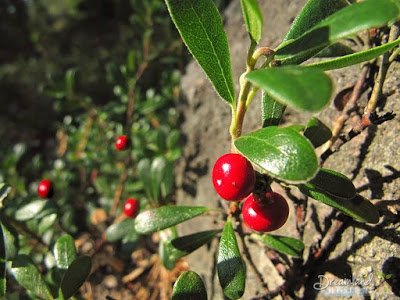
Pic of Growing Lingonberries, Foxberry, Cowberry
Growing Lingonberries, Foxberry, Cowberry

Planting Lingonberries

Plant lingonberry bushes at the same depth as the plastic pot they are grown in at the nursery or garden center. Plant each bush at least 12 inches apart so as not to crowd them once they are mature.

After planting, water the soil deeply just as you do with any new plant. However, after the initial planting, allow the soil to dry out completely in between watering. In most locations, average rainfall patterns will provide all the moisture that the plants need. Do not allow the soil to remain wet, since this will cause the shrub to deteriorate.

Read Also:

  • Harvesting Pumpkins and Gourds, How to Grow Pumpkins Successfully
  • hree Very Popular Plants When Looking to Buy Indoor Plants Online
  • Selecting the Right Houseplants

Fertilizing and Pruning, Growing Lingonberries

To fertilize the bushes, apply a balanced fertilizer in either liquid or granular form as soon as the flower blooms appear in the spring. Repeat the application in 30 days and then avoid fertilizing for the remainder of the season. Fertilizer should be applied annually to maintain vigorous growth and an abundance of berries.

You do not need to prune lingonberry bushes until they begin to look thin or overgrown, which does not occur until around year three or four. Once this occurs, begin pruning the bush back to only 3 inches above the ground in the early spring. Do not worry about the severe pruning, since the bushes will still produce fruit and regrow rapidly.

Harvesting Lingonberries

All lingonberry bushes produce their first crop of berries in July and they can be picked from the bushes when they are deep red and indent slightly when squeezed. If you have the Vaccinium vitis variety of lingonberry, the shrub will produce a second crop of berries in October and the second crop is typically far more abundant than the first crop. Unlike other types of berries. Growing Lingonberries must be refrigerated immediately after picking them if you do not plan to eat them.

Learning how to growing lingonberries is not a difficult task and once the shrubs become established they require very little care to thrive and produce abundant berries.

References

  • University of Massachusetts Extension: http://ag.umass.edu/sites/ag.umass.edu/files/fact-sheets/pdf/ligonberry.pdf
  • Whatcom County Extension: http://whatcom.wsu.edu/ag/documents/smallfruit/pnw583-e.pdf
Total
0
Shares
Share 0
Tweet 0
Pin it 0
Share 0
Share 0
Previous Article
Featured of 10 Cool Ways to Decorate Your Room with Mirrors

10 Cool Ways to Decorate Your Room with Mirrors

  • Perla Irish
  • June 25, 2018
View Post
Next Article
Contemporarykitchencabinet28Copy29

Affordable Kitchen Cabinets Ottawa

  • Perla Irish
  • June 26, 2018
View Post

Subscribe

Subscribe now to our newsletter

You May Also Like
Backyard prepared for a gathering with defined lawn walkways and patio seating
View Post

Preparing Your Backyard for Gatherings Without Damaging Grass or Hardscapes

  • February 22, 2026
Residential backyard lawn showing uneven growth and stressed areas
View Post

Lawn Maintenance Isn’t a Routine: How Real Yards Change Over Time

  • February 6, 2026
Overgrown grass in a residential backyard with uneven growth
View Post

Cutting Very Long Grass: Why It’s Harder Than It Looks in Real Yards

  • February 5, 2026
Event space designed around a single visual focal point with a calm and balanced composition.
View Post

Easy Ways to Create a “Wow” Moment for Parties & Celebrations

  • January 25, 2026
In-ground sprinklers watering a lush suburban garden lawn at golden hour.
View Post

How Does a Sprinkler System Add Value to Your Landscape?

  • December 8, 2025
Twilight backyard outdoor living space with a fire pit, cushioned seating, dining table, and an outdoor kitchen under a wooden pergola.
View Post

How to Design Your Dream Outdoor Living Space (From Landscaping to Fencing)

  • November 27, 2025
Arborist stump-grinding a backyard stump with PPE, turf protected by plywood, chips contained, area prepped for soil and seed.
View Post

Stump Removal: The Hidden Problems of Leaving Stumps in Your Yard

  • October 7, 2025
Photorealistic raised garden bed at golden hour with herbs and greens, gravel path, and tidy borders
View Post

From Weeds to Green Oasis: A Beginner’s Step-by-Step Guide to Starting a Garden

  • September 26, 2025

Leave a Reply Cancel reply

Your email address will not be published. Required fields are marked *

  • About
  • Privacy Policy
  • Terms of Use
  • Disclosure
  • Sitemap
  • Contact Us

Input your search keywords and press Enter.