Table of Contents Show
You ticked everything off of your to-do list, did your skincare routine and now you’re finally in bed but between tossing, turning on your king mattress and constantly flipping your pillow, over you realize it’s 3 am and you’re still wide awake.
The thought of being tired all day tomorrow and barely getting through the day makes you frustrated and you try harder to sleep but that too in vain.
If every word in the above paragraph has resonated with you on a deeply personal level then you’ve come to the right place at king single mattress. Insomnia, which is a state of inability to fall asleep even though you’re tired, is incredibly common.
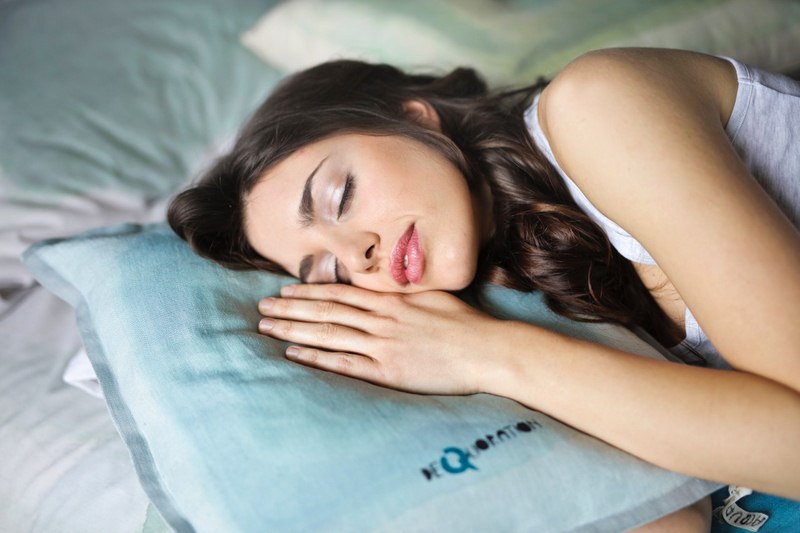
You’ve probably tried a lot of things to get yourself to fall asleep including useless counting sheep but we’ve compiled a list of remedies that just might work for you.
Here are some of the tips that’ll help you catch up on all those missing hours of sleep:
Read Also:
Stay in Sync with Your Natural Sleep Cycle
Our bodies have internal clocks. It is something that is known as circadian rhythm and staying in sync with it is beneficial.
The circadian rhythm helps the body adapt to the hours one normally wakes up or sleeps at and for the body to get the sleep it needs, it adapts to the hours you’ve been going to bed every night.
Try to sleep and wake up every day at the same time. This will help the body understand when you wake up and want to go to sleep to optimize your sleep quality.
Choose any bedtime that gives you at least 6-8 hours of sleep and also allows you to finish any pending work so you’re stress-free.
If you want to determine a time, just go to bed at that hour even if you aren’t sleepy and in a few days you’ll start sleeping early.
Many times when there is no change in the hours you sleep and wake up, your body can end the sleep cycle naturally without an alarm.
If you want your sleep schedule to not get disturbed you should avoid sleeping in even on weekends. The more hours you spend sleeping, your sleep cycle will adjust itself accordingly.
An hour extra of sleep is fine. If you’ve had a late night, instead of sleeping in the next morning, go for an afternoon nap. Not only does it allow you to catch up on any sleep deficiency but it also keeps your sleep cycle rolling.
Be in Control of Your Light Exposure
There’s a hormone in the body called melatonin that is naturally secreted as a response to light exposure and helps the body in regulating your sleep-wake cycle.
Melatonin is secreted when there is dark and allows you to get sleepy and is produced in lesser quantities in the presence of light which makes you more awake and alert. Various aspects of daily life hinder the normal production of melatonin and end up disturbing your sleep cycle.
Always expose yourself to sunlight after waking up. Go outside, have your breakfast outside, do your yoga outside.
Open your windows and draw curtains to let as much sunlight come in as you can in the morning while in the night time, avoid using any electronic devices, etc. right before bed or if you do, dull the brightness down.
Late-night television is a definite no. When you’re sleeping make sure the room is dark and blocks shade easily. If you’re traveling, buy a sleep mask.
Be Smart About What You Eat
Your eating habits play a significant role in how well you sleep at night. The majority of the people consume caffeine if it is just once a day and you might be surprised to know that the intake of caffeine can affect your sleep for up to twelve hours.
Nicotine in smoking is a stimulant that can cause sleep problems especially if it is near your bedtime. Many dieticians advise their patients to eat lightly at night and not take any heavy meals especially if they’re spicy and oily.
Alcohol also might help you relax and enjoy your meal but it interferes a lot with your sleep timings.
Sugary foods and refined carbs like white rice or bread are also great but only if you intend on pulling an all-nighter. Even having pasta in the day can sometimes pull you out of deep sleep fairly quickly.
Clear Your Head
This is probably one of the hardest things to do because it is never entirely under your control. Residual stress or stress that has been building up inside you for quite some time due to exams or personal life problems can hinder your sleep.
The management of this stress is crucial and should be practiced as soon as possible. Try developing a relaxing bedtime regime that consists of a little beginner’s yoga or some simple breathing exercises.
Sit up straight on any surface and close your eyes, try to declutter your thought and start deep breathing.
Take a deep breath through your nose, hold it in for three seconds and slowly exhale through your mouth. Repeat this as many times as you want and you’ll slowly feel that your body has relaxed. You can see more at breathwrk.com for free guided breathing exercises.
Try taking a hot bath as well if you’re also suffering from stress-induced tension headaches. Unwinding your brain can also be hard if you’ve had a busy and mentally exhausting day.
You’re probably constantly checking your emails and getting your work done or your finals are near and you’ve been going through your notes all day but when times come for sleep, the brain is so used of being overstimulated, it gets harder to unwind and relax.
Conclusion
Try to get as relaxed as possible to declutter your thoughts and let go of the catastrophic train of thought that’s probably keeping you up at night. With these tips, you’ll surely see some results soon.
Give yourself at least an hour before you stop checking any socials or studying. Lie down in bed with a relaxing ASMR audio to help induce relaxing sensations in your brain that will eventually help you sleep.