• Home Improvement
    • DIY
    • Remodeling
    • Woodworking
    • Home Design
      • Furniture
      • Organize
      • Tips
      • Decor
        • Interior
        • Exterior
    • Design Ideas
      • Bathroom
      • Bedroom
      • Dining Room
      • Living Room
      • Kitchen
  • Gardening
    • Backyard
    • Front Yard
    • Landscaping
  • Building Staircase
  • Categories
    • Home Improvement
    • Decor
    • Gardening
    • Woodworking
    • Lifestyle
    • Green Living
    • Real Estate
Dream Lands Design
  • Home Improvement
    • DIY
    • Remodeling
    • Woodworking
    • Home Design
      • Furniture
      • Organize
      • Tips
      • Decor
        • Interior
        • Exterior
    • Design Ideas
      • Bathroom
      • Bedroom
      • Dining Room
      • Living Room
      • Kitchen
  • Gardening
    • Backyard
    • Front Yard
    • Landscaping
  • Building Staircase
  • Categories
    • Home Improvement
    • Decor
    • Gardening
    • Woodworking
    • Lifestyle
    • Green Living
    • Real Estate
featured image - How to Lay Bermuda Grass Sod

How to Lay Bermuda Grass Sod

  • Perla Irish
  • September 21, 2021
Total
2
Shares
0
0
2
0
0
Table of Contents Show
  1. Clear the Lawn
  2. Prep the Soil
  3. Lay the Sod
  4. Water and Maintain

Bermuda grass is a lush and beautiful choice for homeowners in hot and humid climates.  Bermuda thrives in areas that receive ample sunlight and very little shade.

Most golf courses are known for having Bermuda grass fairways, but you can also have course-quality greens on your front lawn. If a homeowner is wanting an instantly beautiful yard, sodding with Bermuda is an excellent choice.
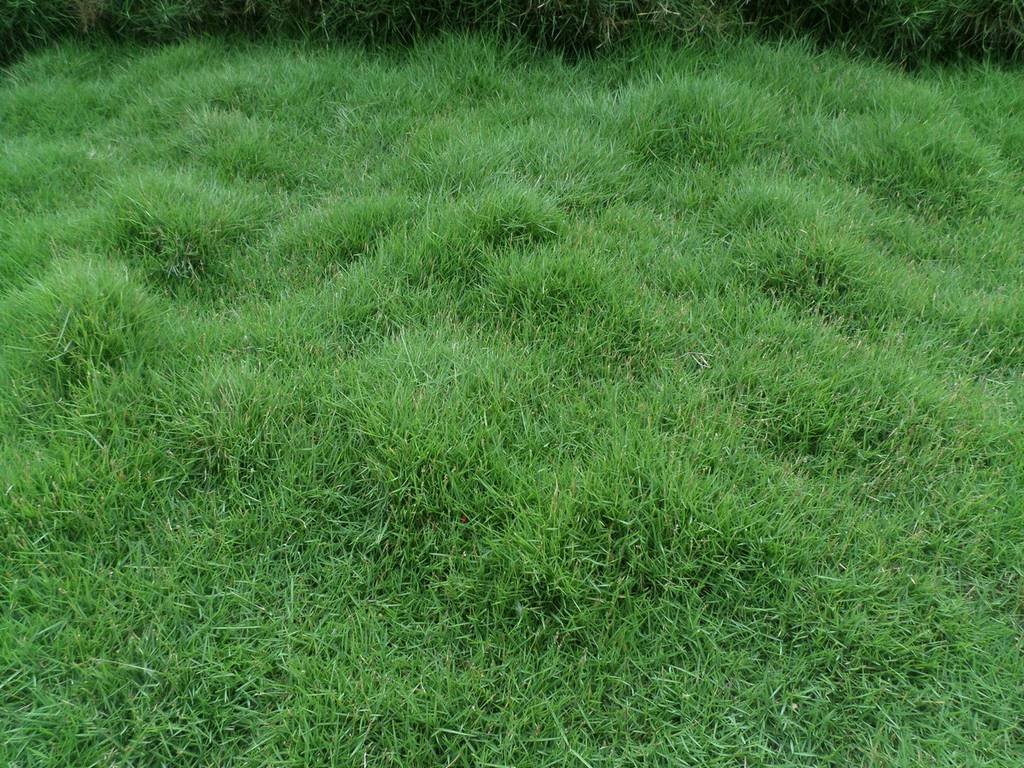
image - How to Lay Bermuda Grass Sod
How to Lay Bermuda Grass Sod

Clear the Lawn

Remove any existing grass, sticks, pine straw, or other debris from the planting areas. Removing obstacles from the yard will allow for a more even planting field in the later steps.

If the grass is present in the area, you can use a glyphosate-based herbicide to kill it. If an herbicide is going to be used, apply it two weeks prior to sodding the lawn. Homeowners should remedy any drainage issues or low-lying areas in the lawn before laying sod.

Prep the Soil

After all grass and obstacles have been removed, it is time to pay attention to the soil. Using a rake, break up any tough or compacted soil that may exist. Sod will not grow well if the soil below it is hard.

Compacted soil cannot absorb water or nutrients well; two things that sod will need to grow. If pH deficiencies or nutrient imbalances exist, conduct a soil sample test at his time. Any chemical, pH, or nutrient deficiencies should be corrected before laying sod.


Read Also:

  • How to Make Outdoor Maintenance Look Easy
  • How to Lay Sod: 5 Essential Lawn Care Steps
  • 5 Basic Lawn Care and Maintenance Tips
  • 5 Budget-Friendly Gardening Tips
  • How do I Cut Very Long Grass?

Lay the Sod

Select the longest and straightest side of the yard to lay sod first. Many homeowners will begin laying Bermuda grass sod along a driveway, walkway, or exterior wall of the home first.

Do not begin in the center of the area and work your way out. Stagger the strips of sod so that they resemble the design of a brick wall. Pieces should be offset from one another.

Feel free to cut pieces of sod to fill in the voids at the beginning or end of a row. Cuttings can also be used to shape sod around corners, bends, or oblong areas.

If strips of sod are going to be cut, so make sure to not cut them into too small of pieces.  Small pieces of sod are less likely to grow successfully.

Fill in any seams that may exist in-between pieces of sod with yard sand or soil. Filling seams with aggregate will allow for better water retention around the edges, helping the sod to take hold. It is important to not walk on freshly planted sod, as the edges may separate, creating gaps in the pattern.

Water and Maintain

Freshly placed sod will need anywhere between two and three inches of water per week. If the weather is warmer, or if drought conditions exist, more watering may be needed.

After four weeks of increased watering, Bermuda grass sod may be watered at a rate of two inches per week. It is important that a homeowner never let new Bermuda grass sod dry out.

Fertilizer may be added after four weeks of healthy growth. It is not advised to use a Bermuda grass weed killer until eight weeks of healthy growth have taken place.

After eight to ten weeks have passed, regular grass-cutting and maintenance activities may resume.

Total
2
Shares
Share 0
Tweet 0
Pin it 2
Share 0
Share 0
Previous Article
featured image - Transform Your Home with Upvc Sash Windows

Transform Your Home with Upvc Sash Windows

  • Perla Irish
  • September 21, 2021
View Post
Next Article
featured image - How to Effectively Clean Ceramic Tiles

How to Effectively Clean Ceramic Tiles

  • Perla Irish
  • September 21, 2021
View Post

Subscribe

Subscribe now to our newsletter

You May Also Like
Uneven concrete driveway with a sunken slab outside a modern suburban home
View Post

Uneven Concrete: Why It Happens, Why It Matters, and What Leveling and Lifting Can Do About It

  • August 4, 2026
Employees preparing a commercial office move by packing workstations, labeling equipment, and organizing IT infrastructure before relocation
View Post

What Every Business Should Know Before Planning a Commercial Move

  • August 3, 2026
Modern bedroom with a smoke air purifier improving indoor air quality during a wildfire smoke event outside the home.
View Post

Smoke in the Air: Choosing an Air Purifier That Actually Makes a Difference

  • August 1, 2026
Modern bedroom with an air purifier beside the bed to improve indoor air quality for better sleep
View Post

Why the Air You Breathe While You Sleep Matters More Than You Think

  • August 1, 2026
Side-by-side comparison of a traditional tank water heater and a tankless water heater installed in residential homes.
View Post

Tankless vs. Traditional Water Heaters: Which Is Right for Your Home?

  • July 31, 2026
Outdoor plumbing faucet and residential sump pump system protecting a home from water damage
View Post

Protecting Your Home’s Plumbing From Water Damage: Sump Pumps and Outdoor Plumbing Basics 

  • July 30, 2026
Comparison of electric, gas, pellet, and wood-burning fireplaces for homeowners
View Post

A Homeowner’s Guide to Types of Fireplaces: Gas, Electric, Pellet, and Wood

  • July 30, 2026
Cracked asphalt driveway showing alligator cracking and surface deterioration caused by aging and weather exposure
View Post

5 Common Causes of Asphalt Cracks in Driveways and How to Prevent Them

  • July 28, 2026
  • About
  • Privacy Policy
  • Terms of Use
  • Disclosure
  • Sitemap
  • Contact Us

Input your search keywords and press Enter.