Table of Contents Show
Wasps are dangerous pests that nobody wants near their home. Once they establish their nests, they treat the whole place as their territory, meaning they treat you as an intruder.
Trying to get closer to their business can result in countless stings. Wasp stings are dangerous to the body, especially if you are allergic.
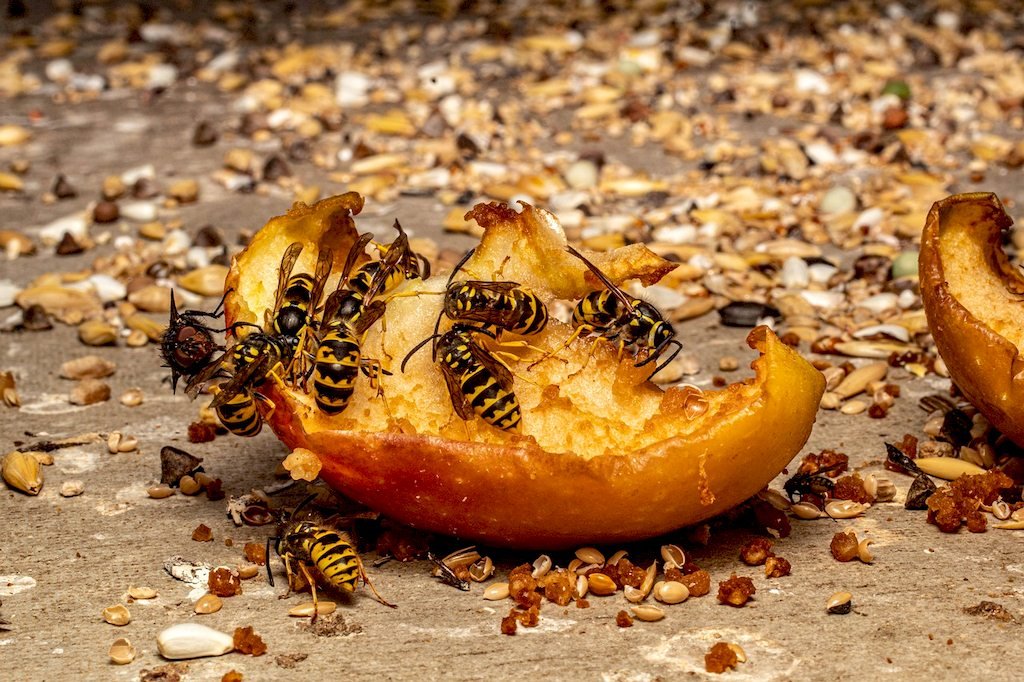
Fortunately, getting rid of wasp nests from your home is easy if you know what you’re doing. Both traditional and professional methods can work effectively, although the use of professional skills can guarantee more safety.
Read Also:
- Bee Propolis: What it is and Why You Should Include it in Your Immune System Booster Kit
- Removal of Wasp Nests – When Should You Call a Professional Service Provider?
- Natural Insect Control for Small Garden Pests – How to Keep Them Out
- Wasps – The Good, The Bad and The Ugly
- What On Earth is That Humming Sound?
Wasp Traps
Wasp traps involve luring the pest inside a container using sugar water. The insect will come after the sugar in the container, at which point you prevent it from escaping.
You can make a wasp trap in less than five minutes. Simply cut one side of a bottle and put it upside-down with the tempting treat inside.
This method may not fully solve your problem since you can end up capturing wasps passing over your yard rather than those in the yard, but it’s a good start.
Patching up of Cracks
Wasps like to make their nests in small cracks, patches, or holes in a building. Preventing their invasion can involve sealing of holes, which occurs in various locations of your structure.
For example, cracks found in edges of siding and crevices formed by the power line entering the house should be sealed.
Note that if you are getting wasps inside your house, you should be careful about sealing these cracks and holes. Doing sol will stop more from getting in, but you’ll leave the wasps inside your house with nowhere to go.
Avoid Exposed Wood Materials in Your Yard
Wasps prefer making their nests on old wood materials. This does not mean that they will not infect new wood, but they certainly have a tendency for the older stuff.
Once a nest is attached to a structure, removing it becomes very dangerous. The most hazardous aspect of wasps is their innate tendency to attack.
Since they live in colonies, they attack as a swarm. The worst part of a wasp sting is that it can trigger an allergic response that could cause reactions like anaphylaxis.
Ensure you remove any old wood from your property to avoid wasps from building a habitat. If a wast nest forms, you should exterminate the nest before moving the wood.
Sealing of Waste Bins
Wasp problems are more dominant in yards that have plenty of food sources. Food sources can be in the form of composing food matter, garbage, or recycling bin. Ensure you tighten the lids to avoid any exposure.
Similarly, you can choose to compose your waste indoors. This will keep away all possible wasps that could invade your yard.
Use of Plain Soap and Water
A simple DIY solution for wasps is to use a mixture of about two tablespoons of soap and water in a spray bottle.
The soap clogs their spiracles, and this makes them die instantly. This is an eco-friendly system of managing wasps.
Avoid Leaving Avenues that Have Access to Outside
Wasps love places that have direct access to outside. Avenues like roof spaces, sheds, birdhouses, beneath eaves, porches, and wall cavities can threaten your peace in the house.
Try as much as possible to avoid them. In the event that wasp makes nests in your yard, use the recommended method to remove them.
If you cannot handle them on your own, consult professionals to help. Do not make a mistake to apply to the wrong method.
Call in the professionals
Modern search engines and social platforms make it a piece of cake to find reputable professionals in your area.
If you’re looking for pest control in VA, check out Moxie Pest Control. Not only do they specialize in wasp treatment, but they also use eco-friendly solutions that are safe to use around kids, pets, and plants.