Table of Contents Show
Japandi is an interior design style that takes inspiration from both Japanese and Scandinavian design traditions. It is characterized by simple, clean lines and a focus on natural materials. The name Japandi is a combination of the two countries names, Japan and Finland.
What is Japandi?
This design style became popular in the early 2000s, as people began to become more interested in interior design courses that taught about different design styles from around the world.
The popularity of japandi can be attributed to its minimalist aesthetic and its ability to create a calming and relaxing environment. If you are interested in incorporating this style into your home, there are many resources available online and at your local home design institute.
Read Also:
Key Elements of Japandi
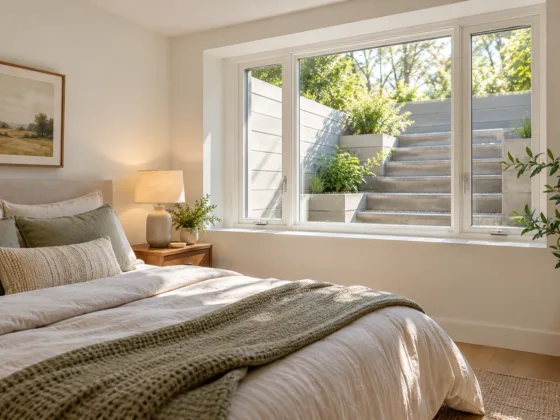
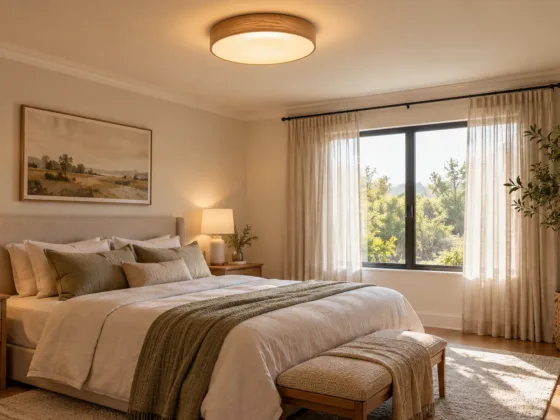
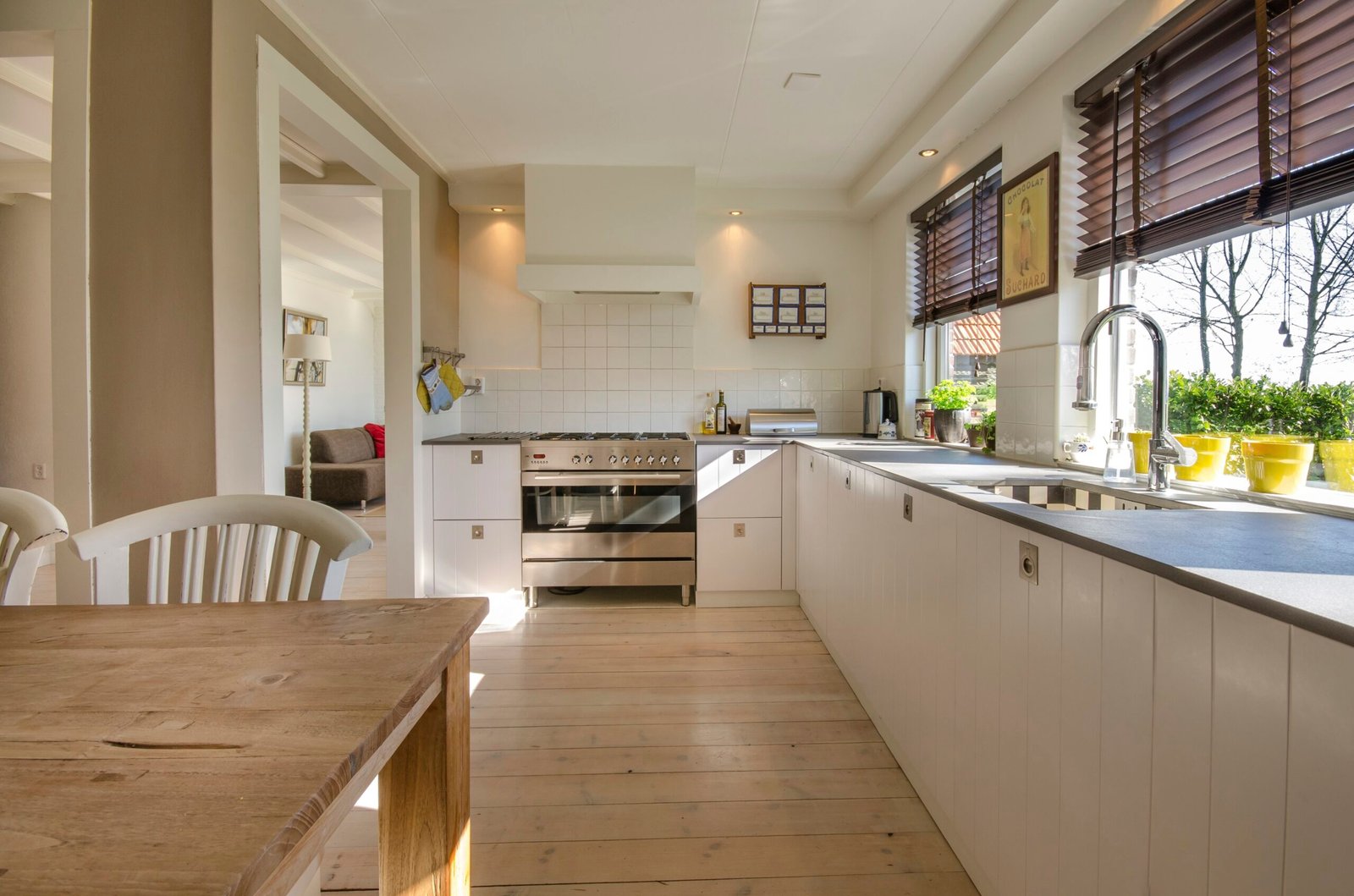
The key elements of this style include simple yet functional furniture, natural materials, and a focus on clean lines and minimalism. Japandi-style interiors are often brightly lit and airy, with plenty of windows to let in natural light.
The use of plants is also popular in this style, as they help to create a sense of calm and relaxation. If you’re interested in learning more about Japandi design, be sure to check out interior design courses at your local home design institute.
While it is relatively new to the interior design world, it has quickly gained popularity for its clean lines, minimalism, and focus on nature. If you are interested in incorporating Japandi style into your home, there are a few things you can do to get started.
- First, take some interior design courses to familiarize yourself with the basics of Japandi design.
- Next, visit a home design institute or look online for Japandi-inspired furniture and decor.
- Finally, don’t be afraid to experiment with different elements until you find a look that feels right for you. With a little effort, you can easily achieve the Japandi look in your own home.
Japandi-style homes are becoming increasingly popular, and it’s not hard to see why. Combining the best of Japanese and Scandinavian design, Japandi homes are known for their clean lines, minimalist aesthetic, and focus on natural materials.
If you’re considering adopting a Japandi style in your own home, here are some examples to inspire you.
Open Floor Plan
One common feature of Japandi homes is an open floor plan. By doing away with interior walls, you can create a more spacious and airy feel in your home. Another way to achieve this is to use light-colored wood for flooring and furnishings. This will help to reflect light and make the space feel brighter.
Gaining Popularity in Recent Years
The Japanese style of interior design has been gaining popularity in recent years, as more homeowners seek to create a calm and tranquil space in their homes.
Although the style is often associated with minimalism, it can actually be quite versatile, incorporating elements of both Japanese and Scandinavian design. One of the main benefits of Japandi style is that it can help to create a sense of calm and serenity in your home
Clean Lines and Simple Colour Palette
The clean lines and simple color palette of this style can help to create a feeling of space, while the focus on natural materials can help to promote a sense of harmony with your surroundings.
However, there are also some potential disadvantages to using this style in your home. For example, the lack of clutter and decoration can make a Japandi-style room feel cold and sterile.
Conclusion
In addition, if you are not careful, it can be easy to end up with a cookie-cutter design that looks like every other Japandi-style home.
If you are considering using this style in your home, it is important to consult with an interior designer or take a course on interior design before making any decisions. With careful planning, you can create a beautiful and unique space that reflects your personal taste and style.