Table of Contents Show
Many construction sites depend upon scaffolding to reach elevations that need to be constructed or painted. Unfortunately, the dangers of using scaffolding are considerable.
There is always a risk of falling and things dropping on unprepared workers. In April of 2019, an 18-year-old apprentice was killed when scaffolding collapsed on him at a Sydney worksite.
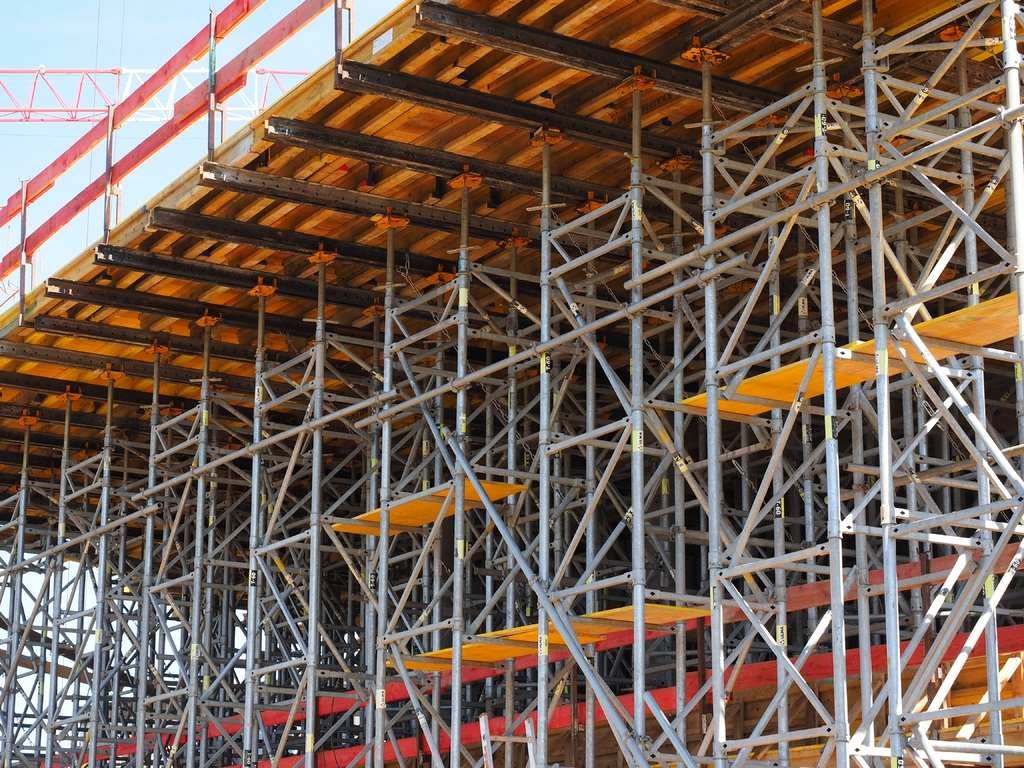
The Australian government responded to these accidents by launching a scaffolding safety campaign. SafeWork NSW began a campaign to educate employers and construction workers about safety procedures when working with scaffolds.
They will also inspect stores that sell scaffolding hardware and scaffolding for hire companies to ensure their compliance.
Read Also:
- Types of Construction Injuries and What You Need to do if Injured
- 5 Construction Industry Trends to Look Out for in 2020
- How Construction Workers Can Make Their Job Easy
- 10 Helpful Tips Regarding Commercial Construction
- Necessary Things to Consider Before Construction
- Things to Consider When Building a New Home
- Different Types of Scaffold Ladders
- Workplace Safety Signs and You
Falls
Falls are the major cause of construction injuries and fatalities. This may be caused by improper scaffolding construction, lack of safety equipment, and insufficient safety precautions.
Construction workers must know how to use scaffolding properly. Otherwise, the incidents of workers being injured will continue to grow.
These workers work 8-hour shifts most of the time. By the end of the day, their bodies will be very tired, and their judgment might not be as sound.
What was very easy at the start of the day can be pretty difficult to do after 7 hours of continuous work. If they use only their arm to lift their entire body while climbing scaffolding, it is possible for a fall to happen.
Falling Materials
It is a bad idea to leave heavy materials on top of the scaffolding. Chances are, these heavy things will fall on an unsuspecting worker.
Most safety procedures require everybody to return any materials and tools after a regular workday. Following this rule will prevent people from leaving anything on top of the scaffolding.
Hammers, saws, boxes of nails, metal scraps, and heavy pieces of wood are just some examples of things that workers leave there. Any of these will prove fatal, especially when falling from a high elevation.
Failure of Parts
Scaffolding has tolerances that need to be considered by workers. It is very unsafe to exceed their tolerance levels because it could result in the total collapse of the structure.
Most scaffolding for hire companies are knowledgeable in their products and can make suggestions on what type to use.
It is also useful to remember that there is a maximum height when using a scaffold. Exceed that, and the chances of having an accident are likely to increase.
Non-Use of Safety Equipment
Nobody expects to be in an accident while at work. That is well-known. What workers usually forget is, the best way to avoid accidents is following the safety guidelines set by the government and their companies.
Those rules are there for a reason. There is also a risk of their company being penalized by the government for not following safety regulations. Personal fall protection equipment includes a body belt, anchorage connector, and a full-body harness.
For most construction sites, safety engineers are required by the government to oversee compliance with safety standards. In some cases, the engineers double as safety engineers too.
Avoiding accidents should be everyone’s responsibility, especially when scaffolding is involved. When looking for scaffolding for hire, make sure that everything is in good shape and some people know how to erect and operate them.
Avoid leaving things on top of them, and make sure that workers are following safety procedures. Doing all these things will save any construction project from delays, and worker’s compensation lawsuits.