Table of Contents Show
Decorating a blank residential wall takes more than tapping a checkout button on a smartphone screen. Digital galleries provide massive databases for researching emerging artists and tracking auction prices. However, compressed image files cannot communicate how oil paint behaves inside a physical room. Selecting an original canvas requires judging its true physical weight, surface texture, and reaction to ambient light. You measure these variables best when standing in front of the piece.
Interior decorators and private collectors visit exhibitions at Otomys before finalizing major acquisitions. Viewing artwork in person eliminates the guesswork caused by screen glare and digital mockups. Instead of hoping a landscape fits your living room dimensions, an exhibition visit lets you evaluate true proportions, inspect frame depth, and observe how raw pigments look under standard architectural lighting.
Quick Verdict: Online browsing works best for initial artist discovery. Visiting a physical art exhibition prevents expensive decorating mistakes. In-person viewing reveals true paint texture, accurate pigment colors, and real architectural scale, ensuring the artwork fits your home’s lighting and wall dimensions.
The Screen Calibration Trap: RGB Light vs. Physical Pigment
The biggest disconnect between buying art online and seeing it in a gallery comes down to basic color theory. Mobile phones and computer monitors emit light using RGB (Red, Green, Blue) pixels. This backlighting makes digital images look bright and saturated. Physical paintings absorb and reflect room light.
Inside a gallery, you observe the exact behavior of the artist’s materials. A navy blue background that looks sharp on a digital screen might read as soft charcoal when viewed on raw linen under normal lighting. Warm glazes disappear on cool-toned computer monitors. Visiting an exhibition exposes the true color palette. This prevents situations where a painting arrives at your house and clashes with your sofa upholstery. To understand how lighting affects color perception, professional curators follow Illuminating Engineering Society (IES) standards for museum and gallery lighting, which prioritize high Color Rendering Index (CRI) bulbs to reveal true pigment depth.
Evaluating Surface Texture and Impasto
Digital photography flattens artwork into a smooth, two-dimensional surface. High-resolution zoom features show detail, but they fail to capture material depth. Professional artists build their work using thick palette knife strokes (impasto), layered resin, raw canvas edges, and mixed media.
Walking past a painting in a gallery reveals how raised textures catch light from different angles. A textured oil painting casts micro-shadows across its own surface, giving the piece a rugged presence that changes as the sun moves across your living room throughout the day. You cannot gauge this tactile quality through a flat monitor.

Understanding Architectural Scale and Visual Weight
Website product listings state the exact height and width of a canvas. Numbers on a screen do not translate into spatial awareness. A 40-inch by 60-inch painting sounds manageable on paper, yet it can overwhelm a narrow hallway or look disproportionate above a small dining room credenza.
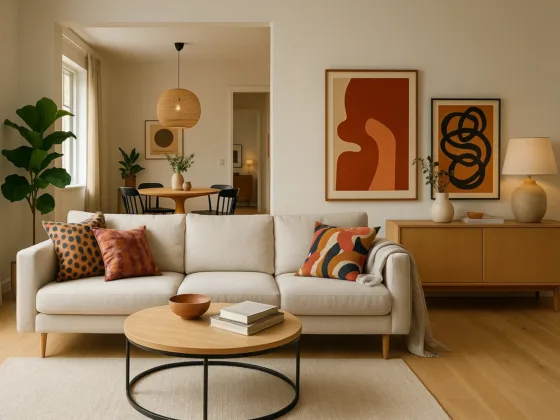
Galleries hang artwork with deliberate negative space. Observing a piece on a wide gallery wall trains your eye to understand its visual weight. Dark, dense compositions feel heavy and shrink the perceived space around them, requiring larger blank walls to breathe. Light, minimalist line drawings feel airy and work in tighter quarters. Seeing the work at its physical scale makes it simple to visualize how it will anchor your specific furniture layout. For homeowners planning a major interior update, reviewing wall art ideas for living rooms helps establish proper scale and spacing before making a purchase.
Matching Art to Your Home’s Lighting Profile
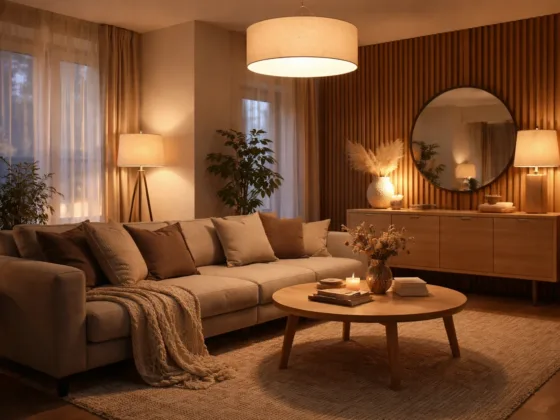
Gallery lighting systems use precise 3000K warm-white spotlights to enhance canvas colors. Residential homes rely on a mix of overhead fixtures, floor lamps, and natural window daylight. When placing high-end art in a sunlit room, maximizing natural light exposure ensures the colors render true to the artist’s intent.
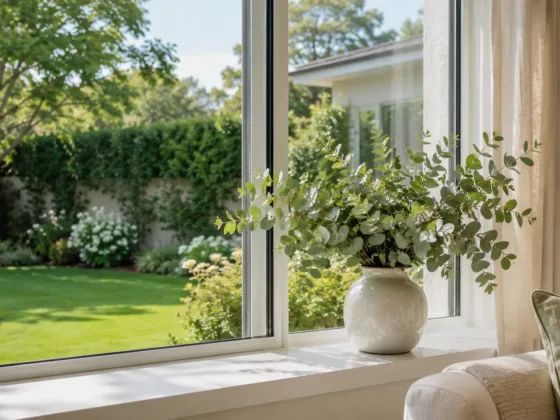
Clear sightlines and unobstructed natural light remain vital for showcasing textured art. Heavy dust accumulation on interior glass blocks UV spectrums and dulls the ambient light reaching your walls. Maintaining crystal-clear windows guarantees your artwork receives optimal daylighting. Homeowners struggling with exterior mineral buildup can utilize solutions for annoying window cleaning problems to restore maximum light transmittance into their display rooms.
| Evaluation Factor | Online Art Browsing | In-Person Exhibition Visit |
|---|---|---|
| Color Accuracy | Distorted by monitor brightness, blue-light filters, and RGB backlighting. | Accurate. Shows how pigments react to physical room lighting. |
| Surface Texture | Flattened into a 2D image; brushstrokes lose depth and shadow. | Visible. You see layered paint, canvas weave, and varnish gloss. |
| Size & Scale | Requires estimating proportions using tape measures and digital mockups. | Clear understanding of how the piece occupies physical space. |
| Frame Quality | Frames look like flat digital borders; hard to judge wood grain or metal finish. | Clear view of frame depth, joinery quality, and mounting style. |
5 Practical Steps to Take Before Visiting a Gallery
Going to an art exhibition with a clear plan prevents impulse buys that miss the mark. Prepare your room data before walking through the gallery doors.
- Measure Your Available Wall Space: Record the maximum width and height of your blank wall. Subtract 6 to 8 inches from the edges to ensure the painting avoids crowding door frames, light switches, or adjacent corners.
- Take Photos of the Room: Snap clear photos of your living space during peak daylight and again at night with the interior lights turned on. Use these photos in the gallery to compare the painting’s colors against your existing flooring, rugs, and wall paint.
- Map Your Lighting Sources: Note where your windows sit and where your ceiling lights point. If your room receives harsh afternoon sun, avoid artwork sealed in high-gloss resin that causes severe glare.
- Determine Furniture Clearances: If the painting will hang above a sofa or console table, measure the width of that furniture piece. A standard design rule dictates that artwork should span two-thirds the width of the furniture anchoring it below.
- Check Frame Depth: Think about foot traffic. If the painting will hang in a narrow hallway, a deep floating frame might stick out too far and create a physical hazard. Look for slim-profile framing options in the gallery.
Discovering Unintended Details and Connections
Online algorithms feed you recommendations based on past clicks, trapping you in a narrow aesthetic loop. Physical exhibitions break this pattern. Curators arrange galleries to tell a story, placing contrasting styles, unexpected mediums, and diverse color palettes in the same room.
Walking through an exhibition exposes you to artwork you would never search for online. You might arrive looking for a structured architectural print but leave connected to a loose, abstract landscape. Experiencing art in the real world forces you to slow down, disconnect from browser tabs, and make a deliberate decision about what you want to look at every single day in your home.
Frequently Asked Questions
Why do paintings look different in a gallery than they do on my phone?
Digital screens emit light, making colors look brighter and more saturated. Paintings in a gallery absorb light, showing the true, natural tone of the pigments, canvas, and varnish.
How do I know if a painting is the right size for my wall?
Measure your furniture first. Artwork hung above a sofa, bed, or console table should take up 60% to 75% of the furniture’s width. Leave at least 6 inches of empty space between the edge of the frame and any corners or molding.
Is it better to buy framed or unframed art?
Buying framed art direct from an exhibition ensures the frame fits the canvas depth and matches the artist’s intended presentation. If you buy unframed, you control the final look but must pay custom framing costs later.
Can I use digital gallery viewing rooms for research?
Yes. Online viewing rooms work well for researching artist portfolios, checking prices, and filtering styles. Once you find a piece you like, visit the gallery in person to verify the scale and texture before purchasing.
Author & Editorial Review
Author: Perla Irish serves as Content Manager at DreamlandsDesign. Drawing on experience in residential layout planning and interior styling, she helps homeowners navigate spatial design, material scale, and architectural proportions.
Editorial Review: This guide was reviewed by the DreamlandsDesign editorial team for design accuracy, scale proportions, and practical application. All recommendations align with established interior styling principles and museum-grade lighting standards.