Table of Contents Show
Think about the last home, hotel, or café that made you unexpectedly exhale and think, “I could live here.” It probably wasn’t because someone used all the “right” trend words. The spaces that stick with us usually aren’t about strict rules – they’re about interior design styles that quietly match how you like to live.
That’s the real goal of exploring interior design styles. Labels like minimalist, farmhouse, or Japandi are just shortcuts. The point is to build a home that feels like you on your best day – not a showroom, not a TikTok set, but a place you can actually relax, work, host, and be yourself.
Quick Answer: How to Find Your Interior Design Style
Your interior design style lives where three things overlap: how you live, what you’re naturally drawn to, and what your home can realistically support. When people search for interior design styles, this overlap is what they’re really trying to define. A simple way to get started:
- Save 20–30 photos of rooms you genuinely like (not just what’s trending).
- Notice the patterns: Are they light or dark? Calm or busy? Sleek or cozy?
- Pick 1–2 “lead” styles (for example, Scandinavian + modern) and 1 “accent” style.
- Choose 4–6 repeating ingredients (colors, woods, metals, textures) to echo in every room.
- Let trends be the seasoning – pillows, art, paint – not the main furniture or layout.
If you want a more designer-level way of thinking, our guide on how to think like an interior designer walks through function, flow, and focal points before you ever look at a mood board.
Contents
- How to Choose Interior Design Styles: Start with Lifestyle, Not Just Labels
- 12 Interior Design Styles, Decoded
- Room-by-Room Interior Design Style Ideas for Your Home
- How to Mix Styles Without Chaos
- Interior Design Trends 2025–2026 (Used the Smart Way)
- Try It This Week: A 5-Step Mini Makeover
- Interior Design Styles FAQ
- Author & Editorial Integrity
How to Choose Interior Design Styles: Start with Lifestyle, Not Just Labels
Before you fall in love with a label like “Scandi” or “coastal,” zoom out and look at your actual day. Style should support your life, not the other way around.
Open your notes app and quickly jot down:
- How you use each room: Working, gaming, hosting, parenting, all of the above?
- What feels relaxing: Clear, quiet spaces – or layered, busy, “full” spaces?
- Your stuff situation: Lots of books, art, plants & collections – or almost nothing out?
- Maintenance energy: Are you realistically a “wipe-and-go” person or a dedicated stylist?
- Your home’s bones: Bright or dim, tall or low ceilings, new build or older with quirks?
Design pros often use style questionnaires and moodboards to do this same work with clients. You’re just doing the first pass yourself so the style names below stop feeling abstract and start sounding like people you recognize – including you.
12 Interior Design Styles, Decoded (With Personality Snapshots)
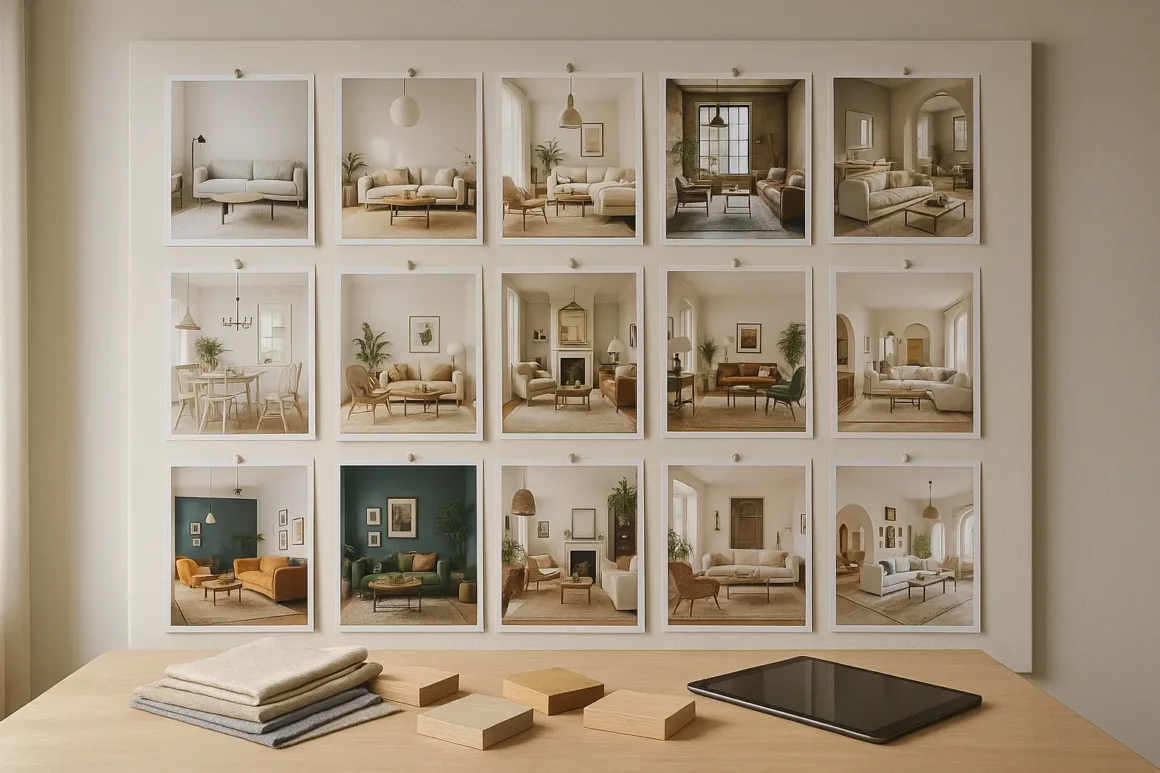
These are some of the most searched-for interior design styles right now. You don’t have to squeeze yourself into one box – think of these interior design styles as personality types you can mix and match.
1. Minimalist: The Calm, Clutter-Free Thinker
Personality snapshot: Your brain switches off when surfaces are clear, floors are open, and you know where everything lives. You’d rather own a few great pieces than a room full of “just okay” stuff.
What minimalist style looks like at home:
- Very limited color palette: white, soft beige, warm grey, or greige
- Clean lines and simple forms, often with hidden storage
- Uncluttered surfaces – maybe one strong object per surface, not ten
- Plenty of intentional empty space on walls and floors
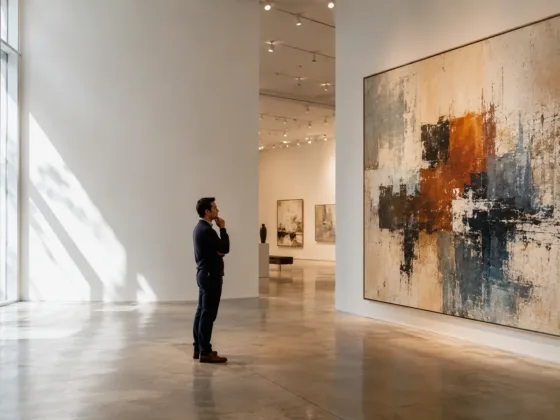
Living room idea: One low, comfortable sofa, a sturdy coffee table, and a single large piece of minimalist art above it. Use texture (linen, wool, stone) to keep the room from feeling cold.
Personality snapshot: You like bright rooms, warm wood, and the feeling of a Sunday afternoon in every season. You’re not afraid of winter – you just respond with candles, throws, and soft light.
Typical Scandi ingredients:
- Light wood (oak, ash, birch) and natural fabrics (wool, cotton, linen)
- Soft, muted colors: white, cream, warm grey, dusty blue, sage
- Simple, practical furniture with rounded edges
- Plants, candles, and low, warm lighting for that “hygge” feel
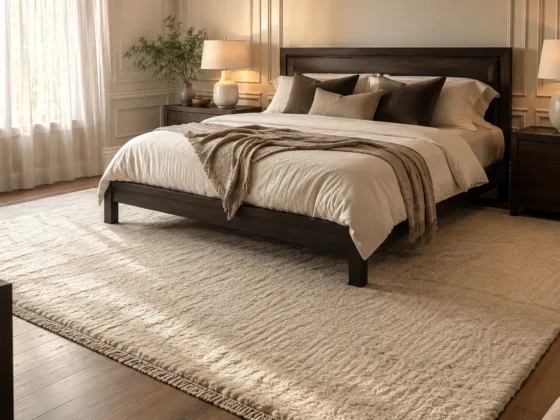
Bedroom idea: Layer crisp white bedding with a chunky knit throw, add simple wood nightstands, and keep decor to a few calming pieces. If you’re stuck on layout, our timeless bedroom design ideas article shows easy arrangements that age well.
3. Modern & Contemporary: The Clean-Lined Optimizer
Personality snapshot: You love open plans, clever storage, and pieces that “earn their keep.” You don’t mind a bit of drama, as long as the room still feels controlled and easy to move through.
Modern / contemporary cues:
- Low-profile sofas and slim-leg furniture
- Neutral base (white, sand, grey) with one or two bold accents (ink blue, rust, charcoal)
- Large windows, simple window treatments, and clean sightlines
- Statement lighting with geometric or sculptural shapes
Living room idea: Anchor the space with a long, low media unit and echo that finish in dining chairs or kitchen hardware. For more layout tricks, see our guide on pro design tips for a unique living room.
4. Japandi: The Calm Organizer
Personality snapshot: Clutter stresses you out, but you still want warmth and soul. You love the lightness of Scandinavian interiors and the quiet, grounded feeling of Japanese design.
What makes Japandi different:
- Low, grounded furniture in pale or mid-tone woods
- Warm neutrals (sand, oat, mushroom) with black or charcoal accents
- Organic shapes, handmade ceramics, paper or linen shades
- Hidden storage and carefully chosen negative space
Small-space idea: Combine a simple wood dining table with two light chairs and a bench, keep window treatments minimal, and hang one calm landscape print instead of a busy gallery wall.
5. Coastal & Modern Mediterranean: The Sun-Seeker
Personality snapshot: You want your home to feel like fresh air. You’re drawn to sea-inspired colors, relaxed fabrics, and simple, sun-washed spaces – even if you live nowhere near water.
Typical coastal / Mediterranean touches:
- Light walls in warm white or soft sand
- Natural fibers: jute rugs, rattan or cane, linen curtains
- Blues, aquas, sea-glass greens, or terracotta accents
- Curves, limewash or plaster textures, and slipcovered seating
Living room idea: Pair a slipcovered sofa with a woven jute rug and a cluster of simple ceramic vases. For trend-aware but not “theme park” decor, see our article on new trends for decorating your home.
6. Industrial Loft: The Urban Creative
Personality snapshot: You like your spaces with a little grit and history. Think exposed brick, metal, and well-worn leather – but still comfortable, not cold.
Industrial hallmarks:
- Exposed brick, concrete, or raw plaster (or convincing look-alikes)
- Black metal, iron, and weathered wood furniture
- Oversized pendants and articulated task lighting
- Leather, denim, and sturdy textiles that age well
Living room idea: Mount the TV on a dark accent wall, use a wood-and-metal console, and give cords and tech a clean, intentional setup. Our round-up of the best TV unit designs for your living room has options ranging from minimal to industrial.
7. Farmhouse & Country: The Comfort Cook
Personality snapshot: You’re happiest when the table’s full and there’s a pot on the stove. You like pieces with a bit of patina and rooms that invite people to sit for a while.
Farmhouse feel-good factors:
- Warm whites and creams with soft wood tones
- Shaker-style cabinets, apron-front sinks, and classic hardware
- Slipcovers, checks and stripes, woven baskets and crates
- Vintage pieces that look collected over time, not bought all at once
Dining idea: Center the room around a simple wood table and a single pendant above it. Mix chairs and a bench if you like a more relaxed, “family gathering” feel.
8. Boho & Artistic: The Free-Spirit Collector
Personality snapshot: Your favorite spaces have stories. You’re drawn to pattern, color, travel finds, and pieces with a handmade feel. “Just beige” doesn’t cut it for you.
Boho building blocks:
- Layered rugs, floor cushions, and poufs
- Mix of patterns: kilim, block prints, paisley, geometrics
- Plants in every corner – hanging, on stands, on shelves
- Vintage or handmade furniture mixed with simple modern basics
Living room idea: Keep the sofa neutral and go wild with pillows, throws, and a patterned rug. If you prefer a moodier, book-ish twist, our dark academia bedroom ideas show how to do cozy and collected without losing structure.
9. Classic Traditional: The Heritage Keeper
Personality snapshot: You like rooms that feel finished, tailored, and a little bit formal – but still warm. You probably own real books, framed art, and at least one heirloom you genuinely love.
Traditional design cues:
- Symmetry: pairs of lamps, chairs, side tables
- Patterned drapery, stripes or florals, and deeper paint colors
- Detailed woodwork: moldings, paneling, carved or turned legs
- Artwork in proper frames rather than posters or canvas prints alone
Living room idea: Use a rug large enough to sit under most of your furniture, then add matching lamps to side tables and a mirror or art over the main focal point (fireplace, TV wall, or long sofa).
10. Mid-Century Modern: The Retro Minimalist
Personality snapshot: You’re drawn to classic 50s–60s silhouettes: tapered legs, low profiles, and simple curves. Your ideal living room could handle an Eames-inspired chair or a teak sideboard without blinking.
Mid-century hallmarks:
- Low furniture with tapered wood or metal legs
- Warm wood tones (teak, walnut) against white or pale walls
- Graphic art and retro-inspired lighting
- Accents of mustard, teal, or rust used thoughtfully
Living room idea: Float a low sofa on a flat-weave rug, pair it with a round coffee table, and finish with a tripod floor lamp. Keep accessories edited so the shapes stay in the spotlight.
11. Eclectic, Vintage & Grandmacore: The Story-Lover
Personality snapshot: You’re happiest in rooms that look collected, not “done.” You’re drawn to a little grandma energy – floral lampshades, antique mirrors, embroidered pillows – as long as it feels intentional, not cluttered.
Eclectic / grandmacore layers:
- Patterned wallpaper or painted trim with character
- Mix of old and new furniture, often with visible patina
- Shelves styled with books, ceramics, family photos, and small artworks
- Warm, nostalgic touches: pleated shades, fringe, crochet, needlepoint
Bedroom idea: Start with a calm base (simple bedding, neutral walls), then layer a patterned chair, vintage side table, and a small gallery wall. For more playful options, see our ideas for unusual bedroom wall decor.
12. Maximalist: The Bold Host
Personality snapshot: Blank walls make you itch. You’re drawn to big art, bold color, and layered pattern – but you still want your home to feel curated, not chaotic.
Maximalist moves:
- Rich, saturated palettes: emerald, aubergine, deep blue, spicy reds
- Mixing pattern families: stripes with florals, geometrics with animal prints
- Gallery walls and statement lighting
- Collections proudly on display – books, glassware, art, objects
Living room idea: Choose one “hero” pattern (rug or wallpaper) and let it lead the room. Repeat its colors in pillows, art, and accessories. The repetition makes everything feel deliberate, not random.
Bonus Style: Transitional – The Easy Mixer
Personality snapshot: You like clean lines, but you don’t want your home to feel cold. You appreciate classic details, but you’re not trying to live in a museum. Transitional style is that in-between space where modern and traditional interior design styles meet in a calm, balanced way.
Transitional hallmarks:
- Soft, neutral palettes (warm whites, greige, taupe) with a few gentle accent colors
- Comfortable, slightly tailored furniture – not too ornate, not ultra-minimal
- Mix of straight lines and subtle curves in chairs, sofas, and lighting
- Classic details (molding, paneling, framed art) paired with simpler, modern pieces
- Layered textures – smooth fabrics, woven baskets, soft rugs – instead of heavy pattern
Living room idea: Start with a simple, neutral sofa and a classic rug (subtle stripe or quiet pattern). Add one modern element (a clean-lined coffee table or metal floor lamp) and one traditional element (a framed landscape or mirror with a bit of detail). Keep accessories edited so the room feels calm, but not bare.
Room-by-Room Interior Design Style Ideas for Your Home
Once you’ve picked your style mix, start applying those interior design styles room by room using a simple formula: functional layout + one clear focal point + 3–5 repeating elements.
Living Room: Where Your Style Says “Welcome”
Start with the big three – sofa, rug, and media unit – then build up slowly instead of shopping everything at once.
- Minimalist / Japandi: One low sofa, a calm rug, and a solid wood coffee table. Hide clutter in closed storage so your few chosen objects can breathe.
- Scandi / Modern: Light rug, tailored sofa, and rounded side tables. Mix wood tones gently and keep lighting warm and low. Our creative bedroom interior ideas article has lighting tips that work in living rooms too.
- Farmhouse / Eclectic: Combine a comfy sofa with a couple of mismatched chairs and a patterned rug, then build a gallery wall with family photos, prints, and one or two vintage pieces.
- Industrial / Maximalist: Use a darker rug or wall color to ground the room, then mix leather, wood, and metal plus bold art or a styled bookshelf.
Bedroom: Calm First, Aesthetic Second
Most people regret trendy bedrooms faster than trendy living rooms. Sleep wins here – style should support it.
- Non-negotiables for any style: A supportive mattress, decent pillows, and a rug or soft landing for your feet.
- Scandi / Japandi / Minimalist: Think low, simple bedframes, soft neutrals, and layered textures (linen, cotton, wool). Keep surfaces tidy.
- Traditional / Eclectic / Grandmacore: Try an upholstered headboard, patterned drapes, and a vintage-inspired rug. A small reading chair in the corner instantly makes the room feel more “grown up.”
- Moody styles: Deep wall colors can be incredibly restful if you balance them with warm lighting and natural textures. Our dark academia bedroom guide is full of real-world examples.
Kitchen & Dining: Everyday Workhorses with Style
Even if you’re not a big cook, you probably spend a lot of time in this zone – grabbing coffee, working at the table, or chatting with guests. Treat it as a priority, not an afterthought.
- Modern / Minimalist: Flat-front cabinets, simple hardware, and a tight palette of two cabinet colors plus one main metal. Our guide to top woods and countertops for kitchen decor can help you pick surfaces that match your style.
- Farmhouse / Traditional: Shaker doors, classic pulls and knobs, and warm metals (brass, bronze). Open shelves with everyday dishes keep things relaxed.
- Scandi / Japandi: Keep the lines simple and let natural materials do the talking – wood, stone, simple ceramic dishes on show instead of clutter.
Entry & Hallways: Small Spaces, Big First Impressions
These are the first spaces you and your guests see. Even a rental hallway can hint at your style with a few smart moves.
- Minimalist / Modern: Slim console, one mirror, one tray for keys, and a small catch-all basket. That’s it.
- Eclectic / Grandmacore: Add a runner, hooks, and a small table lamp. One piece of art is plenty – you don’t need a gallery wall in every hallway.
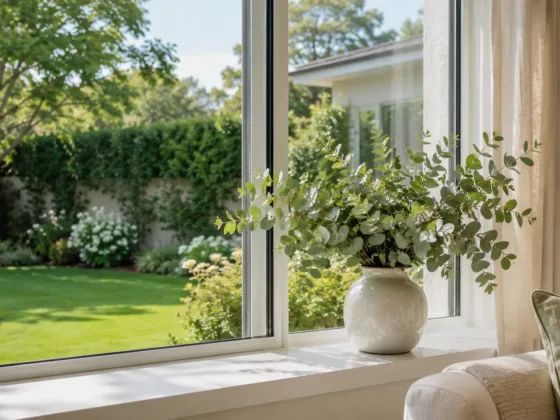
- Nature-leaning styles: A simple vase with seasonal branches or twigs reads intentionally styled. If you love organic decor, you’ll like our piece on using branches and twigs at home.
Small Apartments & Studios: Style in Tight Quarters
Small spaces magnify both the good and the bad. The goal isn’t to own nothing – it’s to make every piece earn its footprint.
- Choose furniture with visible legs and, when possible, built-in storage.
- Let one large rug connect living, dining, and desk zones.
- Use vertical space for shelves and art so floors stay as open as possible.
- Stick to a tight color palette so your eye isn’t constantly “resetting.”
Our guide to small home interior design goes deeper on zoning, smart furniture, and storage ideas that keep tiny homes feeling intentional.
How to Mix Styles Without Making a Mess
Almost no one is 100% one style, and that’s a good thing. The danger isn’t mixing – it’s mixing without rules.
- Choose a lead style (60–70%). This handles big pieces: floors, sofa, main tables, major lighting.
- Choose a support style (20–30%). Use it for accent chairs, side tables, textiles, smaller decor.
- Leave a little room for wild cards (10–20%). That’s where the odd vintage lamp or bold pillow lives.
- Stick to one metal family per room. You can mix finishes lightly, but one should clearly lead.
- Repeat colors on purpose. If a shade shows up in the rug, use it again in art, pillows, or a throw.
If you’re torn between very bare and very bold, our article on interior design from minimalism to maximalism explores how those two can peacefully share the same home.
Interior Design Trends 2025–2026 (Used the Smart Way)
Trends are not the enemy – they just need boundaries. The interior design styles you love will sit on top of these trends, not chase every single one. A quick snapshot of what’s showing up everywhere right now:
- Softer “quiet” colors: Off-whites, oatmeals, stone and mushroom tones, plus gentle blues and greens.
- Natural, tactile materials: Linen, bouclé, clay, limewash, unpolished stone, real wood.
- Story-driven decor: Grandmacore, vintage pieces, and family objects on show instead of hidden.
- More curves: Arched openings, rounded sofas, curved coffee tables, organic shapes everywhere.
- Better lighting: Layers of light (ceiling, lamps, accent) instead of just one overhead fixture.
Instead of rebuilding your home every few years, keep the big things fairly timeless and let trends live in paint, textiles, and smaller decor. That way, if you fall out of love with something, it’s a weekend project – not a full renovation.
If you like following what’s next, keep an eye on our decor section and pieces like woodcraft for mesmerizing interiors, which dig into materials that hold up long after a trend cycle ends.
Try It This Week: A 5-Step Mini Makeover
You don’t need a full remodel to feel a shift. Try a low-risk experiment in one room (or even one wall).
- Step 1 – Name your lead style. Pick the one from the list above that feels most like you right now.
- Step 2 – Clear a focal area. Empty the top of the console, dresser, or media unit and clear the wall above it.
- Step 3 – Shop your home. Gather decor that actually fits your chosen style in color or shape – not just what was close at hand when you moved in.
- Step 4 – Rebuild slowly. Add back only what earns its place. Stop when it feels good – not when every inch is full.
- Step 5 – Take a photo. Looking at the room on your phone makes it easier to see what’s working and what’s still off.
Once you like that one corner, you’ll have a clearer sense of what to repeat – and what to avoid – in the rest of your home.
Interior Design Styles FAQ
What are the main interior design styles?
Most designers talk in broad families: modern, contemporary, traditional, transitional, Scandinavian, industrial, farmhouse, boho, and maximalist. Within those, there are sub-styles like Japandi or modern Mediterranean. You don’t need to memorize every label; the goal is to understand the main interior design styles well enough to describe what you like and make decisions faster.
How do I know which interior design style fits my personality?
Look at two things side by side: your environment (architecture, light, climate) and your preferences (color tolerance, clutter tolerance, nostalgia level). When you compare saved photos, ignore the staging and focus on patterns: Are the lines simple or ornate? Are there lots of objects or just a few? Do you prefer contrast or softness? Those patterns usually point straight at your style mix.
Can I mix different interior design styles in one home?
Yes – and most beautiful homes do. The trick is to limit how many styles are leading at once and to repeat a short list of colors, woods, and metals from room to room. That keeps everything feeling like one home, even if the mood shifts slightly between spaces.
Do I need an interior designer, or can I DIY my style?
You can absolutely DIY your decor, especially for paint, furniture, and small updates. A professional interior designer is worth considering for bigger projects: remodels, structural changes, complex lighting, or when you’re investing heavily and want to get it right the first time. Organizations like the American Society of Interior Designers (ASID) note that good interior design supports health, safety, and accessibility as well as looks – so it’s okay to bring in backup when the stakes are high.
How often should I change my interior design style?
Your core preferences usually stay pretty stable – for example, you might always lean toward calm neutrals or always lean toward bold color. What changes is how you express them. A practical approach is to keep big, expensive pieces fairly timeless and update smaller elements (pillows, art, lamps, paint) every few years as your taste evolves.
Author & Editorial Review
- Author: Perla Irish is a design and home-focused writer covering interior materials, everyday homeowner decisions, and real-world performance of residential finishes. Her work emphasizes clarity, practical context, and long-term usability over trends or transactional advice.
- Editorial Review: This article was reviewed by the DreamlandsDesign editorial team with a focus on homeowner decision-making psychology, behavioral context, accuracy, and long-term relevance. Content is evaluated to ensure balanced explanations, clear intent, and alignment with Google Helpful Content and E-E-A-T quality standards.
How we keep this content trustworthy: This article is based on widely accepted interior design principles, current style and color reporting, and professional experience from designers who work with real homes and real budgets. We periodically revisit and update our guides to reflect new trends, better ideas, and reader feedback, while keeping the core advice grounded in what actually works day-to-day.