Table of Contents Show
Keeping a house neat with kids isn’t always easy—and that’s OK. Some days it genuinely looks like a toy store exploded before breakfast. That doesn’t mean you’re failing; it just means you live with kids. Between dropped toys, little socks, surprise snack messes, and backpacks, chaos tends to win.
The goal isn’t a museum-level home. It’s a livable, workable space where you can actually find the favorite lovey, sit on the sofa, and walk through the hallway without hopping over toy cars. That comes from simple systems, kid-friendly storage, and bite-size routines that match how your family really lives—not how social media says you “should” live.
Below are realistic, experience-tested strategies to help you maintain a cozy, functional home that grows with your kids and still feels like yours.
1. Have a Place for Everything (And Show Kids Where It Goes)
Messiness often starts when no one is really sure where things belong. Designate a home for everything—bins for toys, a tray or basket for school papers, coat hooks for bags, a shelf for library books. When every item has a default “landing spot,” it’s easier for everyone to tidy up quickly.
Show your kids those homes again and again. Instead of “Put that away,” try, “Can you put the cars back in the blue bin?” Ever tried asking a preschooler to “clean the whole room” with no clear system? It’s brutal. Clear, repeated cues are kinder and work better for little brains.
Physical reminders help too. Picture labels on containers (cars, blocks, dolls) or simple word labels for older kids turn “Mom, where does this go?” into “Oh right, I know where this lives.” It’s the same trick early childhood classrooms use because it works.
2. Label Things That Children Can Understand
Labels make organization easier for everyone—not just the adults. Use a mix of pictures and words on every bin or drawer (for example, a little car icon plus “Cars” on the vehicle bin). Color-coding bins for each child also works incredibly well: one color per kid for toys, library books, or school supplies.
If you’re ready to take labels a step further, check out these labeling techniques to keep your house organized. A bit of up-front work saves a lot of “Where does this go again?” later on.
3. Invest in Multi-Purpose Furniture like Storage Benches
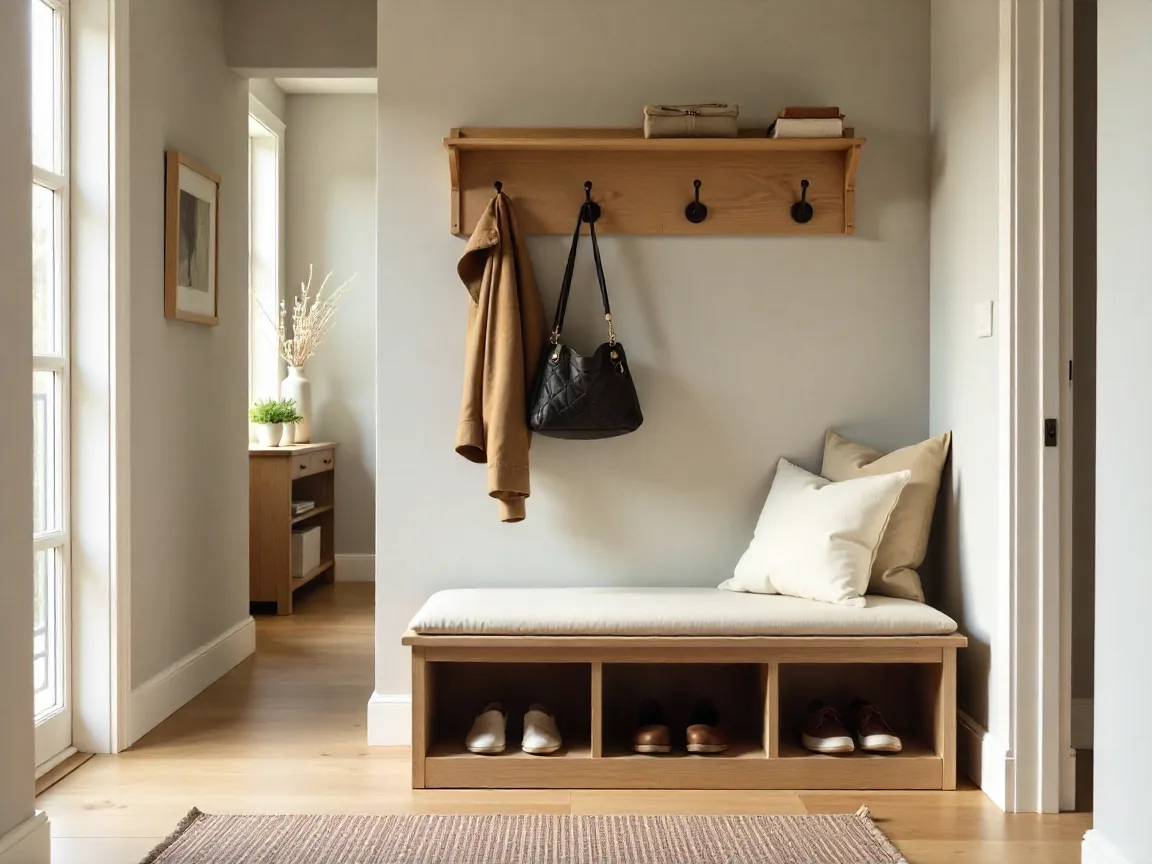
One of the most practical pieces in a family home is a storage bench. It’s seating and hidden storage in one: shoes, backpacks, toys, dress-up costumes, or sports gear all tuck out of sight but stay close to the door.
Place a bench in the entryway, mudroom, or playroom so kids have an obvious “drop zone” when they come inside. For even more ideas, see our tips on creating more storage space in your home without adding more square footage.
4. Declutter Often, Together
Kids grow quickly—and so do their belongings. Tiny clothes, outgrown shoes, puzzles with missing pieces, goodie-bag toys, and artwork can pile up fast. Plan a family declutter every few months. Start with a small zone (one shelf, one drawer, one toy bin) so it doesn’t feel overwhelming.
Let your children help decide what stays and what goes: “Do you still play with this?” or “Should we pass this on to another kid?” It builds decision-making skills and gives them a sense of ownership over their space. If you’re staring down “too much stuff,” our guide on how to get rid of clutter for good can help you take those first steps.
What we do at home: We follow a simple rule—if a new toy comes in, an old one goes out. It keeps things balanced without feeling harsh.
5. Integrate Cleaning into Playtime
Kids usually respond better to play than to lectures. Try a five-minute cleanup race with a kitchen timer, or invent a silly clean-up song and sing it together while you tidy. You can even assign “special missions”—“Can you rescue all the cars and park them in the blue bin before the song ends?”
According to child development-focused educators, playful routines help kids practice skills without feeling criticized. A light, playful tone reduces power struggles and turns chores into another part of the game.
6. Create a Routine Schedule
Consistency helps kids know what to expect. Choose a regular tidying time—after playtime, before screen time, before dinner, or right before bed. Even 10 focused minutes a day can keep mess (and stress) from building up into a weekend-long project.
The American Academy of Pediatrics notes that age-appropriate chores and predictable routines help children feel capable and like part of the family “team,” not just passive observers. Pair that guidance with simple visual chore lists (with pictures for younger kids) so everyone can see what “done” looks like.
7. Store Cleaning Supplies in Reach (and Away)
Make quick cleanups easier by keeping a small kit in key rooms: gentle sprays, microfiber cloths, and kid-safe wipes. Just be sure anything chemical-based is stored securely out of reach or in locked cabinets, especially with toddlers in the house.
For cold-and-flu season or when someone is sick, follow CDC guidance on cleaning and disinfecting high-touch surfaces like doorknobs, light switches, and counters—while still keeping the stronger products where only adults can access them. When your own tools are close at hand (for grown-ups), you’re more likely to wipe up little messes right away instead of letting them snowball.
8. Baskets Are Your Best Friend
Keep at least one catch-all basket in each main living space. When someone rings the doorbell or you just need a visual reset, you can sweep loose toys, books, and socks into the basket in under two minutes.
Woven baskets are especially great: they hide chaos, look like decor, and are gentle on small fingers. Pair them with smarter storage in other rooms if you’re serious about creating more storage space throughout your home.
9. Turn Those Toys Instead of Stacking Them
Kids don’t need access to every toy they own all at once. In fact, too many options can overwhelm them and make it harder to play deeply. Try storing some toys in a closet and rotating them every week or two. Most parents notice their kids “rediscover” old toys with fresh excitement when they come back out.
Pro Tip: Busy Toddler recommends simple toy rotation as a way to support focus, creativity, and reduce clutter underfoot.
10. One Cleaning Skill at a Time
Instead of expecting kids to “clean their whole room” perfectly, introduce one small skill at a time. Start with “put all the stuffed animals in this bin,” or “put dirty clothes in the hamper.” Once that’s solid, add another task like wiping the table or matching clean socks.
Breaking it down keeps frustration low—for you and for them. It also lines up with what pediatric experts say about chores: kids build confidence by mastering small, concrete jobs before they handle bigger ones.
11. Choose Furniture That Is Good for You (and the Kids)
Look for furniture that quietly helps you stay organized: coffee tables with drawers, storage cubes with bins, beds with pull-out drawers, and benches that double as toy chests. A well-placed storage bench can hold shoes, backpacks, or sports gear while providing a place to sit.
Prioritize safety too—rounded corners, sturdy construction, and soft-close lids so little fingers don’t get pinched. When your furniture supports your routines, tidying becomes the easy default instead of a constant battle.
12. Give Children Ownership of the Process
Kids are far more likely to help when they feel included, not ordered around. Invite them into the process: “Where do you think your art supplies should live?” or “Which basket should be for stuffed animals?” The goal isn’t perfection—it’s participation and consistency.
Let your child be the “basket captain,” “sock sorter,” or “toy parking manager.” Small, specific roles can turn what used to be a meltdown moment into a little bit of teamwork.
13. Hook at Their Prime
Hooks aren’t just for adults. Install a few at kid height so children can hang up coats, backpacks, hats, or towels without your help. In a homework or craft zone, pegboards and hooks can keep scissors, headphones, and supplies off the table and off the floor.
Pair kid-height hooks with a storage bench and a small rug, and you’ve got a simple, kid-friendly drop zone instead of a permanent pile on the floor—especially if you’re aiming for a more aesthetic, organized space.
Montessori-inspired: Kids are more likely to join in when their environment is built for their height and abilities—not just adult convenience.
14. Set Yourself Free from Perfection
It’s OK if your house doesn’t look like a magazine spread. Real homes with real children have piles, crumbs, and laundry in rotation. Aiming for “good enough most days” is usually more sustainable—and kinder to your mental health—than chasing perfection.
Focus on what helps your family feel calmer and more connected: clear floors, a clean-ish kitchen table, and places where everyone can relax. A slightly messy but peaceful home beats a tense, spotless one every time.
15. Celebrate Effort with Positive Feedback
Positive reinforcement goes a long way. When your child hangs up their backpack or helps with toy pickup, notice it: “I love how you put your cars away without being asked—that really helps our house feel nice.”
Stickers, extra bedtime stories, choosing the family movie, or just a big high-five can all be rewards. Over time, the natural reward becomes how good it feels to live in a space that isn’t constantly overflowing.
Frequently Asked Questions
Q: How can I keep my home tidy with toddlers?
Use bins with picture labels, child-height hooks, and predictable routines. Keep only a few toys out at a time, and try a quick 5–10 minute reset after big play sessions.
Q: How do I get my child to help with chores?
Start small and specific (like putting stuffed animals in one bin), keep it playful, and stay consistent. Praise effort, not perfection, and build up to more responsibility as they get older.
Q: How often should I rotate toys?
Every 1–2 weeks works well for most families. Watch your kids: when they seem bored with what’s out, it’s a good time to rotate and put some things away.
Conclusion
A spotless home with kids isn’t the goal. A home where your family feels comfortable, uplifted, and a little more in control is. Reality is never perfectly neat—and that’s where its charm and warmth come from.
Small, frequent efforts—using a storage bench by the door, keeping baskets in your main living spaces, rotating toys, or involving your child in tiny daily routines—add up to a calmer, more organized home over time. Think progress, not perfection.
Related Resources:
- Best Toys for Kids by Age
- Decluttering Tips from The Minimal Mom
- Storage Bench Ideas on Pinterest
- How to Get Rid of Clutter for Good: 7 Tips for Decluttering Your Home
- How to Create More Storage Space in Your Home
- How to Organize Your House?
- Author: Perla Irish – Home Improvement Editor at DreamlandsDesign. Perla specializes in practical guides that help homeowners organize, clean, and maintain real-world homes (not showrooms). You can explore more of her work via her Muck Rack profile.
- Editorial review: This article was developed and checked by the DreamlandsDesign editorial team for clarity, usefulness, and alignment with reputable family and home-care guidance, including resources from the American Academy of Pediatrics and the CDC on chores, routines, and safe cleaning practices. It is intended as general, practical home-organization advice and is not a substitute for medical or professional developmental guidance.
Learn more about our process on the DreamlandsDesign mission & editorial standards page.