Table of Contents Show
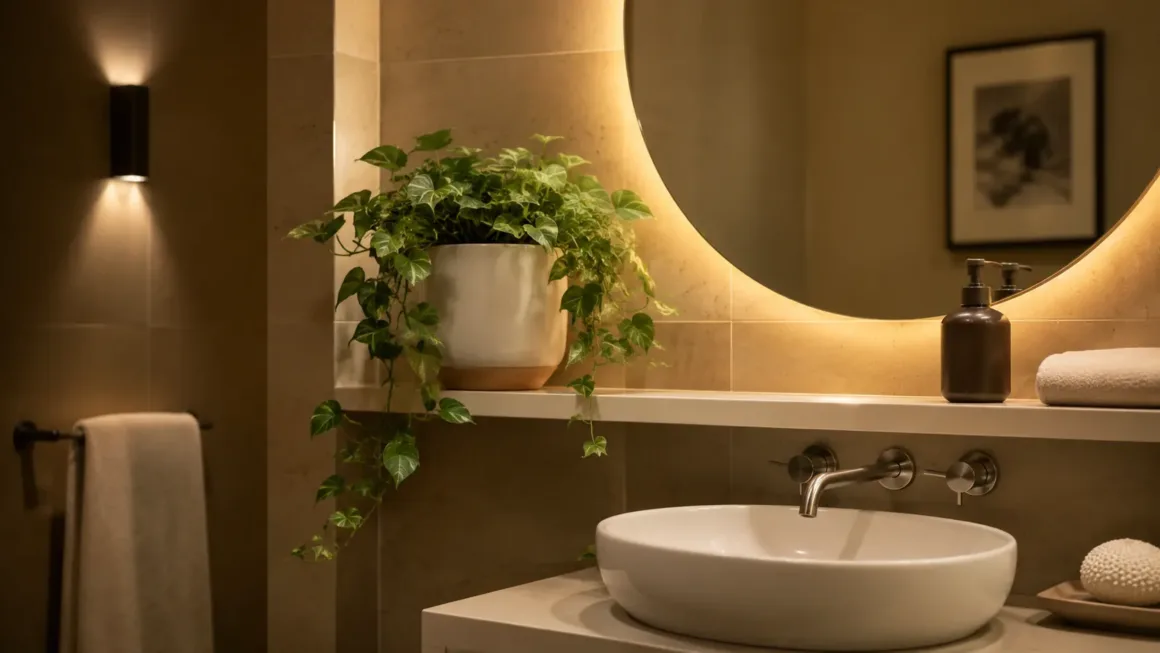
Designing a spa-like bathroom in a windowless powder room or interior master bath hits a sharp botanical wall. Daily hot shower steam combined with zero natural light creates a hostile microclimate where living tropical houseplants rot, drop leaves, and harbor soil mold. Integrating high-grade artificial plants resolves this environmental mismatch, bringing deep green tones, sculptural height, and organic texture into light-starved bath spaces without soil care or light stress.
However, styling faux greenery in moisture-heavy, windowless rooms requires specific material selection. Standard fabric silk arrangements absorb ambient steam, causing wire stems to rust, glue seams to fail, and printed leaf dyes to bleed onto surrounding tile surfaces. Success relies on non-porous synthetic polymers, elevation tactics for cramped vanity surfaces, and routine cleaning protocols that prevent mold spore buildup in humid enclosures.
Quick Verdict: For windowless, high-humidity bathrooms, choose non-porous 3D-molded polyethylene (PE) or heavy-gauge PVC plants over woven silk fabrics. Anchor faux stems in stoneware or glazed ceramic planters topped with sealed river pebbles, elevate small pots on wall-mounted shelves or vanity trays to protect bases from sink splashes, and wipe leaves monthly with a dry microfiber cloth to keep textures realistic for years.
Why Living Plants Fail in Interior Bathrooms
Windowless bathrooms present two compounding environmental barriers for natural botanical life: complete absence of natural light and extreme relative humidity swings. These biological constraints make synthetic foliage the only durable greenery solution for windowless bath spaces.
- Photosynthetically Active Radiation Deficits: Standard residential LED vanity fixtures emit narrow spectrums (typically 2700K to 3000K) that lack the blue (450 nm) and red (660 nm) wavelengths required for chlorophyll absorption. Without natural sunlight or dedicated 12-hour horticultural grow lights, shade-tolerant ferns and pothos vines exhaust stored carbohydrates, experience leaf chlorosis, and drop foliage within three weeks.
- Anaerobic Soil Saturation and Pathogen Growth: Enclosed bath spaces trap relative humidity levels above 80% for hours post-shower. Organic potting media (peat moss, perlite, pine bark mixes) continuously absorb this suspended water vapor, preventing root zone wet-dry cycles. Sustained saturation starves root systems of dissolved oxygen, cultivating destructive anaerobic water molds like Pythium and Phytophthora that liquefy root structures.
- Gnat Propagation and Mold Outbreaks: Constantly damp soil surfaces combined with warm ambient temperatures create an ideal breeding environment for fungus gnats (Sciaridae). Adult flies lay eggs in organic soil top layers, while fungal mycelium grows across pot surfaces, contaminating bath towels, toothbrushes, and vanity counters.
Material Engineering: Non-Porous Polymers vs. Steam Degradation
Synthetic foliage performance in steam-heavy enclosures depends directly on the chemical composition of the leaf, stem, and internal structural core. Selecting the wrong polymer grade leads to drooping stems, discolored leaves, and rusted armatures within months of installation.
| Polymer Material Class | Steam & Moisture Tolerance | Cleaning & Maintenance Protocol | Optimal Bathroom Installation Zones |
|---|---|---|---|
| 3D-Molded PE (Polyethylene) | Superior; non-porous molecular structure resists water vapor absorption, warping, and stem sag. | Low; dry microfiber dusting or light vinegar misting. | Shower niches, bathtub ledges, vanity countertops, high floating shelves. |
| Heavy-Gauge PVC | High; rigid synthetic leaves resist ambient steam without losing structural memory. | Low; cool water rinse or damp sponge wipe. | Floor planters, toilet tank covers, windowless corner nooks. |
| Real-Touch PU (Polyurethane) | Moderate; sealed liquid coatings protect internal wires, but direct water pooling dulls matte finish. | Medium; spot clean gently with mild soapy water. | Vanity trays, wall alcoves placed away from direct shower spray. |
| Woven Silk & Fabric | Poor; porous textiles absorb steam, leading to dye bleed, drooping leaves, and rusted internal wires. | High; steam traps airborne dust inside fabric fibers, causing permanent staining. | Do not use in full bathrooms with active showers. |
For a complete breakdown of polymer grades across every room in your home, read our guide to artificial plants materials, styling, and care. In bath enclosures specifically, prioritize non-porous PE or thick PVC over delicate fabrics. Additionally, verify that internal stem wires utilize stainless steel or plastic-coated armatures that pass moisture protection tests under ISO standards for synthetic polymers.
5 Technical Rules for Styling Faux Plants in Bathrooms
Converting artificial foliage into convincing botanical features requires strategic placement, non-porous vessel selection, and scale proportions tailored to compact bath footprints.
- Position Species That Match Low-Light Logic: Visual realism relies on plausible placement. Select shade-tolerant plant replicas—such as Boston ferns, maidenhair ferns, heartleaf pothos, snake plants (Sansevieria), or cast-iron plants (Aspidistra elatior)—rather than sun-hungry succulents, cacti, or citrus trees that signal synthetic origin in windowless spaces.
- Maintain a 6-Inch Clearance Above Counter Standing Water: Water pooling on vanity counters leaves white mineral rings on planter bases. Mount floating solid-oak or brass shelves at least 6 inches above sink splash zones, or set small ceramic pots inside footed teak trays to allow airflow beneath planter bases.
- Use Glazed Stoneware or Sealed Marble Containers: Unsealed terracotta, raw concrete, and porous clay absorb airborne steam, developing unsightly white salt efflorescence and water stains over time. Upgrade to high-fired glazed ceramics, solid white marble, heavy stoneware, or powder-coated aluminum pots.
- Replace Preserved Moss with Sealed Mineral Aggregate: Preserved sheet moss acts as a sponge in humid rooms, absorbing steam, turning soft, and harboring mildew spores. Strip out organic moss and top-dress planter bases with smooth dark river rocks, polished black jade pebbles, or pea gravel secured with waterproof polyurethane adhesive.
- Manipulate Wire Armatures for Gravity Compliance: Unbox synthetic plants and manually bend internal steel wires to replicate natural growth habits. Curve trailing vine stems downward over shelf edges, fan out lower fronds, and introduce subtle asymmetrical bends. Stiff, straight stems standing perfectly vertical immediately expose artificial construction.
Integrating Live and Faux Greenery Across Your Home
Developing a cohesive interior greenery plan involves balancing live plants in sunlit spaces with high-grade faux botanicals in light-restricted rooms. Living houseplants thrive near bright living room windows, sunlit kitchens, and open glass patio doors where natural light fuels daily growth.
If you prefer sourcing live plants directly from greenhouse growers for sunny rooms, review our guide to buying plants online with free delivery. Combining grower-fresh live specimens near south-facing windows with 3D-molded PE plants in windowless powder rooms maintains a fluid green aesthetic throughout your floor plan without over-extending daily maintenance routines.
Preventive Maintenance: Dust, Steam & Soap Film Removal
Artificial foliage eliminates soil care, but high relative humidity creates a distinct surface maintenance challenge. Airborne dust particles combine with suspended bath steam and hairspray aerosols, forming a tacky coating across leaf surfaces. Execute this two-step monthly maintenance routine to preserve matte finishes and realistic textures:
- Dry Microfiber Static Dusting: Wipe upper and lower leaf blades with a dry microfiber wand before taking showers. Microfiber picks up loose surface dust before moisture locks it onto the polymer surface.
- Diluted Acetic Acid Wash (For PE & PVC): Mix 1 cup of distilled water with 1 tablespoon of raw white vinegar in a fine-mist spray bottle. Lightly spray plastic foliage, wait 30 seconds to break down hairspray and soap film, then wipe clean using a lint-free cotton cloth. Avoid harsh chemical cleaners or solvent-based sprays that dissolve leaf coating seals.
- Semi-Annual Stem Wire Inspection: Check base wire insertion points near the soil line twice a year. If plastic coatings show small cracks or exposed steel, apply a single drop of clear rust-inhibiting silicone sealant to prevent rust bleeding onto planter stones.
Frequently Asked Questions
Will daily shower steam ruin artificial plants in a windowless bathroom?
No, provided the artificial plants are made from non-porous PE or PVC polymers. Steam damages fabric or silk plants by bleeding dyes and rusting internal wires, but plastic molded polymers handle high ambient humidity without warping.
Can I put artificial plants inside a walk-in shower niche?
Yes, if you use 100% 3D-molded polyethylene (PE) foliage anchored in a glazed ceramic or resin pot filled with sealed river pebbles. Avoid metal pots or real moss top-dressings that rust or harbor mold when exposed to direct water spray.
How do I stop mold from growing on artificial plant bases in dark bathrooms?
Replace organic preserved moss top-dressings with non-porous river rocks, pea gravel, or polished black stones. Ensure the bathroom exhaust fan runs for 20 minutes post-shower to reduce ambient relative humidity below 60%.
What artificial plant species look best in small powder rooms?
Trailing pothos, maidenhair ferns, compact snake plants, and aloe vera replicas offer realistic proportions for narrow vanity countertops, floating wall shelves, and toilet tank trays.
Author & Editorial Review
Author: Perla Irish serves as Content Manager at DreamlandsDesign. Drawing on extensive experience across interior design, bathroom styling, and residential property maintenance, she delivers tested decor solutions for challenging living spaces.
Editorial Review: This guide was reviewed by the DreamlandsDesign editorial team for material durability, moisture safety, and interior design accuracy. Every recommendation aligns with current polymer engineering standards and bathroom ventilation best practices.