Table of Contents Show
Aromatherapy for a spa-like home focuses on using scent intentionally — through diffusers, steam, baths, and simple rituals — to create a calm, restorative atmosphere while following clear safety guidelines. This guide shows how to build that experience thoughtfully, without medical claims or overexposure.
Disclosure: This post contains a product mention of Vidalux. DreamlandsDesign may receive a small commission if you purchase through links in this post. Recommendations are editorially independent and safety-focused.
Health & safety note: This article is for general informational purposes only and is not medical advice. Essential oils are concentrated botanical substances that may cause allergic reactions or interact with medications. Consult a healthcare professional before using essential oils if you are pregnant, nursing, managing a medical condition, taking prescription medication, or planning to use them around young children or pets. Follow the dilution & patch-test advice in the Safety & dilution section below.
Quick takeaways
- Aromatherapy is an accessible way to add a spa vibe at home — diffusers, baths, linens, and short rituals help.
- Use evidence-backed scents for sleep and stress (lavender, bergamot, chamomile), but avoid unqualified medical claims.
- Safety first: dilute for skin use, avoid ingestion, and be cautious with pregnancy, kids, and pets.
Why scent plays a powerful role in relaxation
Scent has a direct pathway to the brain’s limbic system, which governs emotion, memory, and stress response. That’s why aromatherapy can be an effective sensory shortcut to relaxation. While modern studies suggest inhaled aromatherapy may support sleep quality and reduce anxiety in certain contexts, evidence quality varies — so treat aromatherapy as a complementary wellness tool rather than a medical treatment.
See a representative systematic review on inhalation aromatherapy and sleep on PubMed for study-level context: PubMed: inhalation aromatherapy & sleep. For practical sleep routines that complement aromatherapy, read our guide on 4 Ways to Improve Your Sleep Quality.
Practical ways to enjoy aromatherapy for a spa-like home
1. Diffusers — the easiest baseline
This is often the easiest starting point for aromatherapy for a spa-like home. Ultrasonic diffusers disperse fine mist with essential oils and are ideal for short, intentional sessions. Run diffusers on a timer for 20–60 minutes in a ventilated room instead of continuous operation.
Beginner blends: Lavender + Roman chamomile for relaxation; bergamot + ylang-ylang for stress relief; lemon + rosemary for focus. Lavender contains linalool and linalyl acetate, components associated with calming effects in several studies; Roman chamomile contains esters traditionally linked to soothing properties. For ideas on making your bedroom a calm sleep space, see our post on Ways to Add a Chill Vibe to Your Bedroom.
For safety guidance rooted in industry practice, see the Tisserand Institute’s recommendations on dilution and conservative use: Tisserand Institute – safety guidance.
2. Bath & steam rituals (spa-inspired)
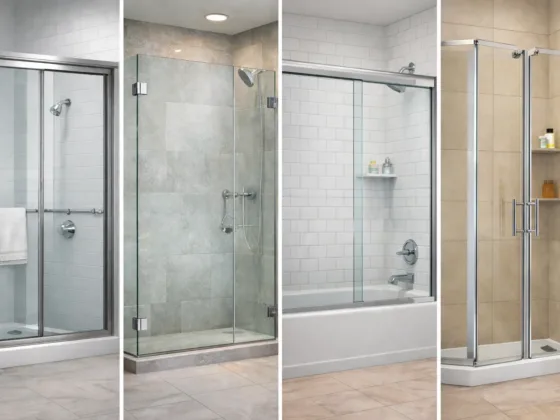
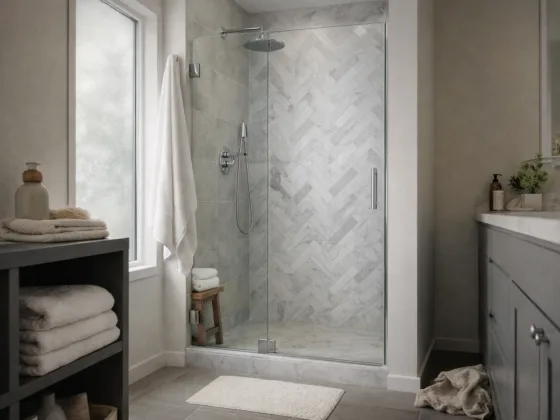
Warm water and steam increase scent volatility and inhalation, which makes these environments highly effective but also means control and ventilation are essential. To enhance this experience safely, use either an external diffuser placed outside the steam enclosure (so oils never contact electronics or heating elements) or a steam system designed for controlled aroma delivery (aroma tray/cartridge, adjustable vapor & temperature controls, and accessible cleaning points).
Key steam / hydrotherapy features to prioritize when combining aromatherapy with baths or showers:
- Dedicated aroma delivery: Accessories or systems that disperse scent safely without allowing neat oil to touch electrical parts.
- Adjustable vapor & session control: Limit time and intensity to prevent overexposure.
- Good ventilation & extraction: Reduce residual airborne concentration after a session.
- Materials & maintenance: Easy-to-clean components to prevent oil buildup.
- External placement option: Place aroma pucks or diffusers where steam can carry scent without harming fixtures.
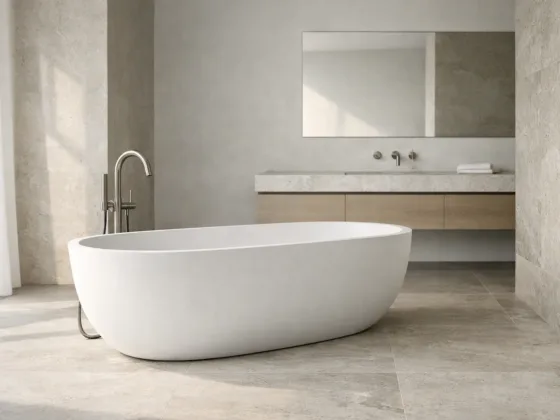
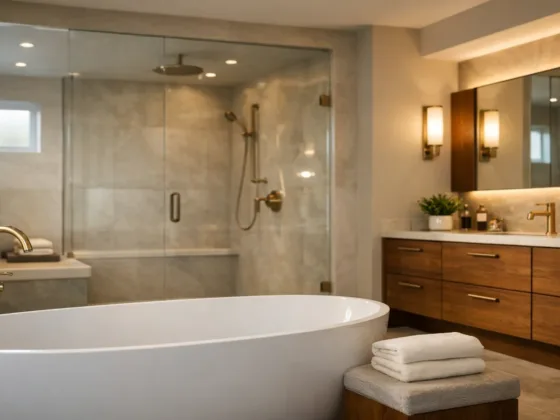
Choosing fixtures with aroma delivery, session control, and strong extraction makes aromatherapy in a steam or hydrotherapy setting practical and repeatable. Prioritize features (aroma cartridge or external aroma puck options, adjustable vapor/temperature controls, and accessible cleaning points) rather than brand-first choices. As an example of spa-ready installations that illustrate these features, suppliers such as Vidalux show systems designed to support controlled aroma delivery and maintenance; their whirlpool baths demonstrate how hydrotherapy and scent can coexist safely when oils are used conservatively and sessions are time-limited. Always confirm product specs for ventilation, aroma delivery options, and cleaning before purchasing or retrofitting.
3. Aroma stations & zoned scenting
What aroma stations are and why they work
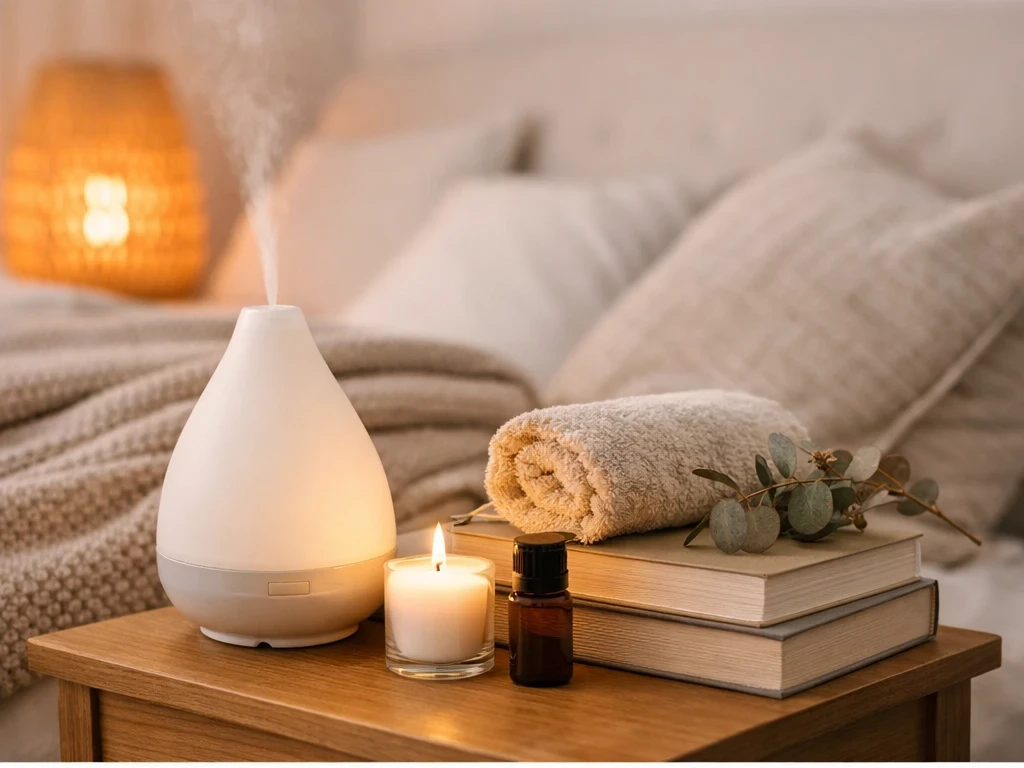
Zoned scenting is a core principle of aromatherapy for a spa-like home, helping prevent fatigue and overuse. Instead of scenting your whole house, design small, intentional aroma stations for different activities and moods. An aroma station is a micro-zone (a shelf, a corner table, or a dedicated tray) with a controlled scent device, a small supply of blends, and quick ventilation controls. This keeps scent fresh, reduces overexposure, and creates repeatable rituals.
Room-by-room aroma station ideas
Room-arrangement ideas (practical & original):
- Sleep alcove: Bedside diffuser on a low timer (20–30 minutes) with driftwood or linen textures to reduce scent absorption. Use muted scent intensity and rotate blends weekly to avoid olfactory fatigue.
- Entry vignette: Place a small reed diffuser or aroma puck near the front door (low concentration) to create a welcoming home scent on arrival without overwhelming the whole house.
- Workspace corner: Desk diffuser with focus blends placed behind monitor height so scent gently drifts across your workspace rather than directly at the face.
- Bathroom spa shelf: An easily removable aroma puck or tray near the steam/shower entry to keep oils away from electronics while letting steam carry scent into the enclosure.
- Shared living zones: Use layered scenting — subtle diffuser base plus occasional linen-spray accents — and keep intensity lower where guests or pets frequent.
Layering and rotation strategies
Advanced layering & rotation strategy (intermediate): Create a 3-week rotation system — Week 1: calming (lavender + chamomile); Week 2: restorative (bergamot + frankincense); Week 3: uplifting (sweet orange + rosemary). Rotate resinous or strong aromatics into week 2 only to preserve novelty and sensitivity.
Synergy blends for intermediate users
Synergy blends (intermediate/advanced recipes — ratios are drops per 10 ml carrier or per a 100 ml diffuser fill where applicable):
- Bedtime Calm (intermediate): Lavender 4 / Roman Chamomile 2 / Carrier or diffuser fillers as directed. (Use low concentration; test first.)
- Grounded Reset (advanced): Bergamot 3 / Frankincense 2 / Vetiver 1 — for short evening rituals (limit diffusion to 20 minutes).
- Focus Lift (advanced): Lemon 3 / Rosemary 2 / Basil 1 — use in short bursts during concentrated work periods.
Practical safety and usability tips
Practical safety & UX tips for stations: label small bottles with date & blend name, store mixes away from direct light, keep a small extraction fan or window ready, and document which blends trigger any sensitivity. For shared homes, post a short note near the station (“Diffuse for 20 mins — leave window ajar”) to keep users informed.
Choosing the right aromatherapy method for a spa-like home
Not all aromatherapy methods deliver the same experience. Diffusers, steam environments, and baths each offer different scent intensity, exposure levels, and safety considerations. The table below helps you choose based on space, lifestyle, and wellness goals.
| Feature | Diffuser | Steam (steam shower) | Bath (whirlpool/soak) |
|---|---|---|---|
| Scent intensity | Low → medium (subtle & adjustable) | Medium → high during active steam | Medium (localized to bath area) |
| Exposure control | High — timers and intermittent use | Medium — depends on enclosure & ventilation | Medium — depends on dilution & room airflow |
| Best use case | Daily relaxation, sleep routines, and workspaces | Short, immersive spa-style steam sessions | Full-body relaxation and hydrotherapy rituals |
| Typical session length | 20–60 minutes | 5–15 minutes per session | 15–30 minutes |
| Key safety notes | Avoid continuous diffusion; use caution around pets and infants | Ensure ventilation; avoid if sensitive to steam or heat | Always pre-dilute oils for baths; never add neat oils directly to water |
| Ideal scent pairings | Lavender, Roman chamomile, bergamot | Eucalyptus or mint (used sparingly) | Lavender + bergamot or soft floral blends |
Many homeowners layer methods: a diffuser for daily background scent and occasional steam or whirlpool sessions for immersive rituals. When integrating aromatherapy into steam or bath environments, ensure fixtures are designed for heat, moisture, and proper ventilation.
Care & cleaning of aromatherapy equipment
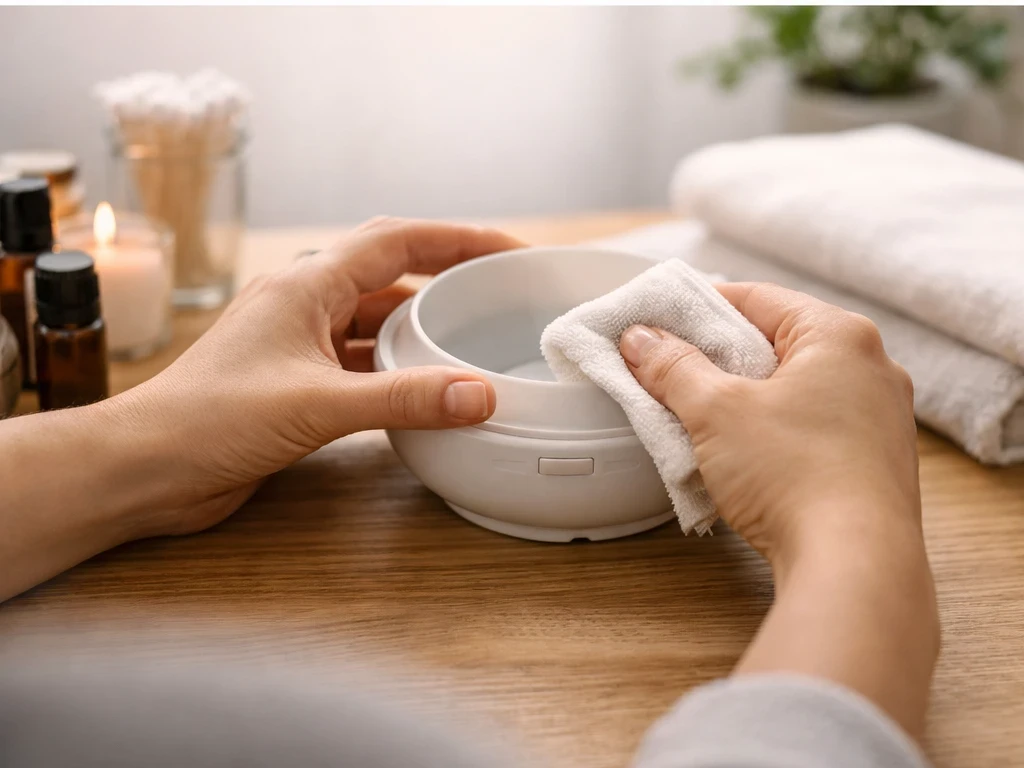
Regular care keeps devices working reliably, prevents oil residue buildup, and reduces safety risks. Below are quick, device-specific cleaning routines and practical tips — always check and follow your device manufacturer’s instructions first.
Ultrasonic diffusers (daily & weekly)
- Daily: Empty and rinse the water reservoir after each use; wipe dry with a soft cloth. Use distilled water when possible to avoid mineral deposits.
- Weekly deep clean: Fill the reservoir with a 1:1 solution of distilled water and white vinegar (or 1 tbsp vinegar per 100 ml), run the diffuser for 5–10 minutes, then empty and rinse thoroughly. Use a cotton swab to clean the ultrasonic plate or crevices; dry fully before storing.
- Safety: Unplug before cleaning. Don’t use harsh chemicals or alcohol inside the reservoir (they can damage seals).
Nebulizing/nebuliser diffusers (maintenance)
- Wipe the glass or plastic parts with a soft, lint-free cloth after each use. Follow manufacturer guidance for disassembly.
- If the unit has removable glass parts, rinse with warm water and mild soap, dry completely. Avoid submerging electronic components.
- Frequency: Clean weekly if used daily; disinfect monthly following the maker’s instructions.
Reed diffusers & linen sprays
- Reeds: Flip or replace reeds every 2–3 months (or sooner if saturated). Wipe the bottle neck to remove oil residue.
- Linen spray bottles: Rinse and air-dry spray nozzles periodically to prevent clogging. Label sprays with blend name & date.
Aroma pucks, trays & cartridges (steam/shower accessories)
- Remove and wipe accessories after heavy use with a soft cloth and mild soap; rinse and dry before reinserting.
- Discard or replace disposable cartridges per the product guidance; never pour neat essential oil into steam generators or electrical compartments.
Steam systems & steam showers
- Follow manufacturer maintenance for flushing and descaling (citric acid or manufacturer-approved descaler every 3–6 months depending on water hardness).
- Never add undiluted essential oils to the steam generator. Use approved aroma cartridges, external diffusers, or aroma pucks located outside the unit if the system does not include a controlled delivery option.
- Check seals, gaskets and ventilation regularly — oil residue can affect materials and warranty coverage.
Whirlpool baths & jet systems
- Run a cleaning cycle monthly (or after heavy use): Fill the tub with hot water, add 1–2 cups white vinegar or a commercial jet cleaner, run jets for 10–15 minutes, drain, then refill and rinse to clear residue.
- Avoid adding neat essential oils directly to the tub water; instead, pre-dilute oils in a carrier, use a sealed aroma puck, or rely on surrounding diffusers to deliver scent.
- Wipe shells and accessible fittings after each use to remove oils from surfaces and prevent staining.
Storage, spill cleanup & disposal
- Store essential oils in dark glass bottles, tightly capped, and in a cool, dry place away from sunlight and heat.
- Wipe up spills immediately with an absorbent cloth and mild detergent; don’t pour unused oil down drains (check local disposal rules).
- Label mixes with date and contents; discard homemade blends after 6–12 months or sooner if the scent changes.
Quick safety reminders
- Always unplug electrical devices before cleaning. Let hot steam systems cool fully before servicing.
- Use gloves if you’re sensitive to oils or cleaners. Test a hidden surface before using any cleaner on decorative materials.
- Record maintenance dates for steam systems and whirlpool jets to maintain warranty compliance and safe operation.
This short care routine will extend the life of diffusers, reduce residue risks in steam/hydro systems, and help maintain a safe aromatherapy practice at home.
Safety & dilution — practical rules (must-read)
- Don’t ingest essential oils unless under the supervision of a qualified clinician — ingestion can be toxic.
- Dilute for topical use: 1–3% dilution for adults is a commonly recommended starting point for everyday topical application; higher concentrations should be used only with professional guidance.
- Patch test: apply a small diluted amount on the inner forearm and wait 24 hours before broader use.
- Pregnancy & nursing: consult your clinician and avoid specific oils recommended as contraindicated during pregnancy.
- Pets: dogs and cats can be sensitive to many oils — keep diffusion intermittent, ventilate well, and consult a veterinarian experienced with essential oils.
- Storage: keep oils in dark glass bottles, away from sunlight and heat, out of reach of children.
Easy diffuser blends (copy-and-paste)
- Sleep: 4 drops lavender + 2 drops Roman chamomile.
- Relax: 3 drops bergamot + 2 drops ylang-ylang + 1 drop frankincense.
- Focus: 3 drops lemon + 2 drops rosemary.
- Energize: 3 drops sweet orange + 2 drops grapefruit.
DIY linen spray & reed diffuser recipes
- Linen spray: 100 ml distilled water + 10–15 drops essential oil + 1 tsp vodka or solubilizer. Shake before use and test for fabric compatibility.
- Reed diffuser base: use a commercial diffuser base or dipropylene glycol carrier (follow product instructions) + 25–30 drops essential oil.
Pets & pregnancy — quick callouts
Pregnant? Speak with your clinician and avoid high-risk oils; keep topical use minimal. Pets? Keep diffusers in well-ventilated rooms, research oil-specific toxicity (e.g., avoid tea tree for cats), and consult a veterinarian when unsure.
FAQs
Can aromatherapy cure insomnia?
No. Aromatherapy can support relaxation and sleep for some people, but it is not a medical cure. Combine aromatherapy with sleep-hygiene practices for the best results.
Is it safe to diffuse essential oils every night?
Short diffusion runs (20–60 minutes) in a ventilated room are commonly recommended. Consider using a timer and avoiding continuous diffusion, particularly around pets and infants.
What are the best oils for beginners?
Lavender, sweet orange, bergamot, and lemon are gentle, widely used, and commonly recommended for relaxation and mood support.
Final thoughts
Create small, repeatable rituals — a 15-minute steam, a 30-minute bath, or a 10-minute pre-sleep diffuser session — and track what helps you most. Thoughtful scent selection, strict safety practices, and well-designed spaces (including steam-ready bathrooms and hydrotherapy features) can turn ordinary routines into restorative rituals. For inspiration on luxury bathroom features that support these rituals, see our post Luxury Bathroom Upgrades That Rival 5-Star Hotels.
- PubMed: inhalation aromatherapy & sleep (systematic review)
- Tisserand Institute — Essential Oil Safety
- Sleep Foundation — best oils for sleep
Author & Editorial Review
Author: Perla Irish is a design and home-focused writer covering interior materials, everyday homeowner decisions, and real-world performance of residential finishes in consultation with licensed contractors and industry standards where applicable. Her work emphasizes clarity, practical context, and long-term usability over trends or transactional advice.
Editorial Review: This article was reviewed by the DreamlandsDesign editorial team with a focus on homeowner decision-making psychology, behavioral context, accuracy, and long-term relevance. Content is evaluated to ensure balanced explanations, clear intent, and alignment with Google Helpful Content and E-E-A-T quality standards.
Last updated: February 2026