Table of Contents Show
Many backyards quietly hold more potential than homeowners realize. A patch of unused lawn, an old storage shed, or an empty corner behind the garage can become something far more valuable than leftover outdoor space.
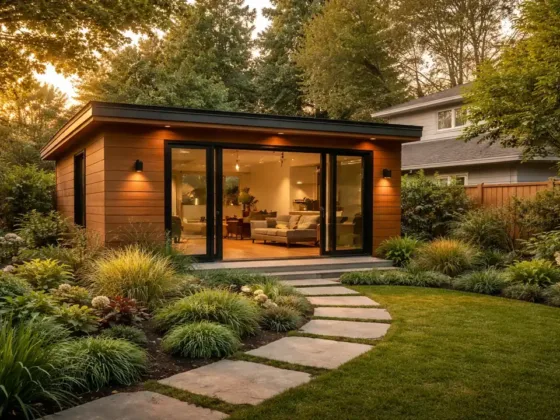
In many neighborhoods, homeowners are starting to look at their yards differently. A small detached cottage behind the main house can provide private living space, rental income, or a quiet place to work—without the need to move to a larger property.
Across many neighborhoods, homeowners are transforming those overlooked areas into accessory dwelling units, often called ADUs. These compact living spaces can function as guest suites, rental units, home offices, or private housing for extended family members.
The idea often sounds simple at first: build a small structure behind the house and turn it into a livable space. The reality involves a much more detailed process. Planning, permits, infrastructure, and construction all play a role in shaping the final result.
Understanding the stages of an ADU project helps homeowners prepare for the timeline, budget, and design decisions that come with building a second living space in the backyard.
Understanding What a Backyard ADU Really Is
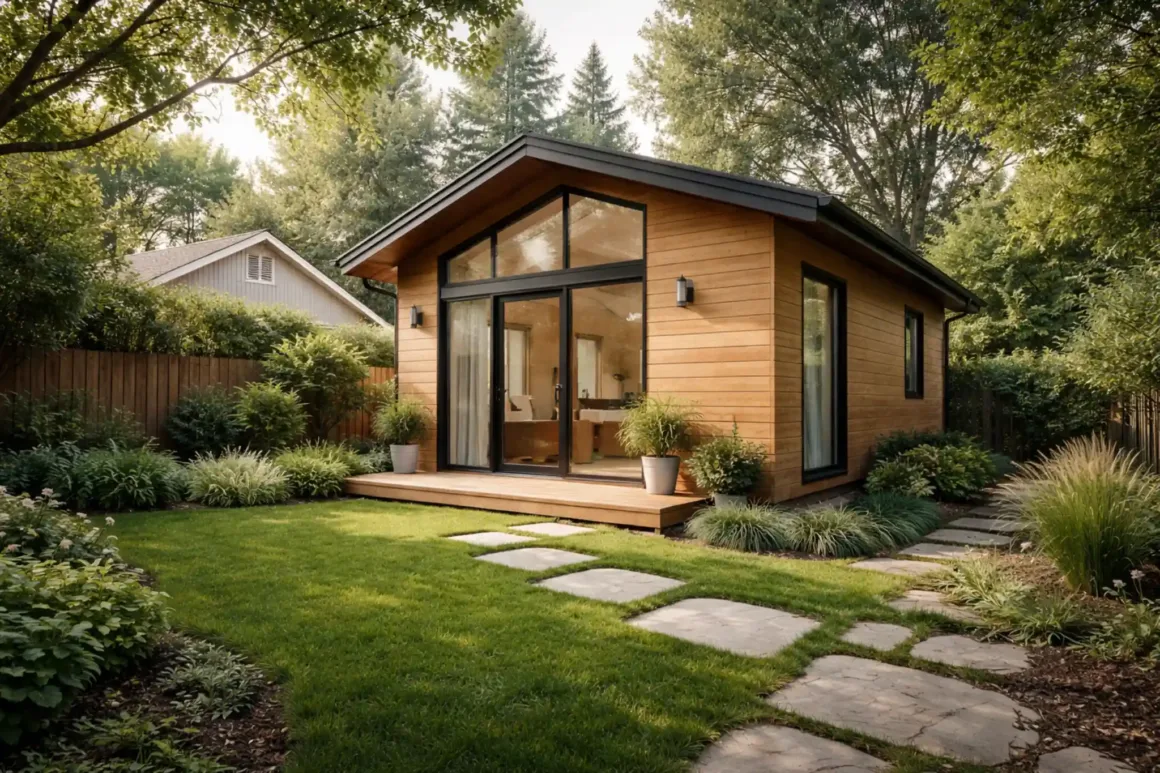
An accessory dwelling unit is essentially a small independent residence located on the same property as a primary home. Unlike a shed or detached garage, an ADU contains the core systems needed for everyday living.
Most ADUs include plumbing, electrical wiring, insulation, heating or cooling systems, and finished interior spaces. Some feature full kitchens and bathrooms, while others follow a studio layout designed for compact living.
Homeowners build ADUs for several practical reasons:
- Housing aging parents or adult children
- Creating a private guest suite
- Adding rental income to offset mortgage costs
- Increasing property value
- Building a quiet workspace separate from the main house
Many homeowners exploring this option start by reviewing common considerations for building an ADU in your backyard, including zoning rules, space limitations, and long-term property goals.
Evaluating the Backyard Before Design Begins
Every ADU project starts with a simple question: where exactly will the structure sit on the property?
Backyards vary widely in size, slope, and accessibility. Some properties offer generous open space, while others require careful positioning to maintain privacy, sunlight, and access pathways.
Homeowners typically review several layout factors before beginning the design stage:
- Distance between the ADU and the primary house
- Access for utilities such as plumbing and electrical lines
- Entry pathways or driveways
- Privacy considerations for neighbors
- Integration with gardens or outdoor living areas
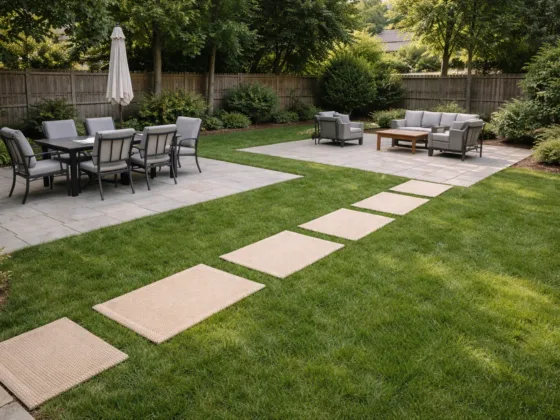
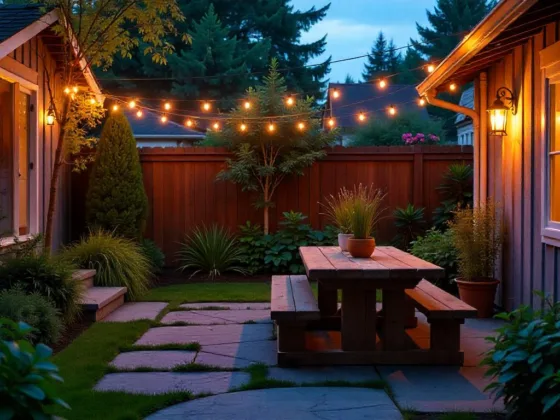
Exploring backyard landscape design ideas can help visualize how the new structure will fit alongside patios, garden beds, and existing outdoor features.
In many cases, the ADU becomes part of a broader backyard redesign rather than a standalone building project.
Design Decisions That Shape the Project
Design plays a major role in how functional an ADU becomes over time. Floor plans, ceiling heights, window placement, and storage solutions all influence how comfortable the space feels.
Some homeowners choose compact studio layouts that maximize efficiency, while others prefer one-bedroom units that provide greater privacy for long-term occupants.
Architectural style also deserves attention. Matching the ADU design with the main house often improves visual consistency and property value. Materials, rooflines, and exterior finishes usually follow the same aesthetic direction as the existing home.
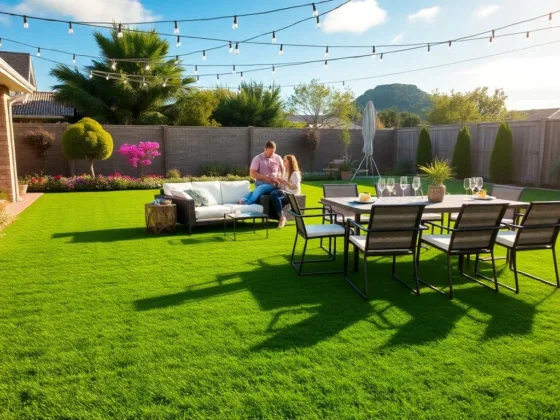
Outdoor elements should not be overlooked either. Reviewing budget-friendly backyard landscaping ideas can help homeowners integrate pathways, greenery, and seating areas around the new structure.
Permits, Zoning, and Approval Stages
Regulatory approval represents one of the most time-consuming phases of an ADU project. Local zoning laws, building codes, and property regulations determine whether the structure can be built and how large it can be, which is why understanding how permitting timelines typically unfold becomes part of early planning.
Plans typically include detailed drawings that outline the building footprint, structural framework, electrical layout, plumbing connections, and exterior design. Many homeowners spend time reviewing how ADU permitting works in practice before submitting plans, especially in areas where approval pathways continue to evolve.
Plans typically include detailed drawings that outline the building footprint, structural framework, electrical layout, plumbing connections, and exterior design.
Local authorities review these plans to ensure the project meets safety and zoning requirements. The review period varies by municipality, but homeowners often wait several weeks—or even a few months—before construction approval arrives.
Patience during this stage pays off later. Approved plans prevent costly redesigns and help contractors move forward with confidence once construction begins.
Budgeting for an ADU Project
Budget planning often determines whether an ADU project moves forward. Construction costs vary depending on size, materials, interior finishes, and infrastructure requirements.
Several elements influence the overall investment:
- Foundation and structural work
- Electrical and plumbing installation
- Insulation and climate control systems
- Interior fixtures and cabinetry
- Exterior siding and roofing materials
Garage conversions represent one common approach to creating an ADU without building a completely new structure. Reviewing examples of garage conversion and ADU planning can help homeowners understand how existing spaces sometimes transform into functional living units.
Setting aside a contingency fund is also wise. Unexpected construction adjustments, utility upgrades, or material changes often appear during the building process.
The Construction Process
Once permits are approved and contractors finalize the schedule, the physical transformation of the backyard begins.
Construction usually follows a sequence of steps:
- Site preparation and excavation
- Foundation installation
- Structural framing
- Roofing and exterior finishing
- Plumbing, electrical, and insulation work
- Interior drywall, flooring, and fixtures
The early stages often look messy. Piles of materials, temporary fencing, and construction equipment may temporarily replace the quiet backyard environment. Progress becomes visible quickly once framing and exterior walls take shape.
Regular communication with contractors helps keep the project aligned with design plans and timeline expectations.
Timeline Expectations for ADU Construction
Building an ADU rarely happens overnight. From early planning to final inspection, the full process usually spans several months.
Several factors influence how quickly the project progresses:
- Permit approval timelines
- Contractor scheduling availability
- Weather conditions
- Material supply delays
- Inspection requirements
Construction often moves quickly once work begins, although inspection schedules and utility connections can extend the overall timeline.
Final Inspections and Finishing Details
Before an ADU becomes fully functional, inspectors verify that electrical systems, plumbing connections, and structural elements meet safety standards.
Interior finishes usually come last. Lighting fixtures, cabinetry, appliances, and flooring transform the structure from a construction site into a comfortable living space.
At that stage, what once looked like an unused section of the backyard becomes a complete extension of the home.
The Long-Term Value of Backyard ADUs
Backyard ADUs continue to gain popularity because they offer flexibility that traditional homes rarely provide. A single structure can serve different purposes over time—guest housing today, a home office tomorrow, or rental income years later.
For homeowners who want to expand living space without relocating, an ADU often represents one of the most practical ways to unlock the hidden potential of their property.
Final Thoughts
Building a backyard ADU requires careful planning, realistic budgeting, and patience during the approval and construction phases. The process may feel complex at first, but the long-term rewards often outweigh the challenges.
Thoughtful design and preparation transform unused backyard space into a functional living area that adds flexibility, comfort, and lasting value to the property.
Author & Editorial Review
Author: Perla Irish is a design and home-focused writer covering interior materials, everyday homeowner decisions, and real-world performance of residential finishes in consultation with licensed contractors and industry standards where applicable. Her work emphasizes clarity, practical context, and long-term usability over trends or transactional advice.
Editorial Review: This article was reviewed by the DreamlandsDesign editorial team with a focus on homeowner decision-making psychology, behavioral context, accuracy, and long-term relevance. Content is evaluated to ensure balanced explanations, clear intent, and alignment with Google Helpful Content and E-E-A-T quality standards.
Last updated: April 2026