Table of Contents Show
Hosting a gathering at home is one of the most rewarding ways to bring people together, but it also places unexpected stress on outdoor surfaces. Lawns compress under repeated foot traffic. Patios collect spills and abrasion marks. Landscaping elements that normally sit undisturbed suddenly absorb concentrated movement, stationary furniture weight, and equipment staging.
Most visible damage does not happen instantly. It builds gradually — through soil compaction, surface friction, moisture imbalance, and uneven load distribution. A backyard that looks resilient during the event may reveal stress days later in the form of flattened turf, subtle ruts, or stained hardscapes.
With thoughtful preparation, however, it is entirely possible to host a successful gathering without compromising the long-term condition of your outdoor space. Protecting both soft and hard surfaces requires understanding how they react before, during, and after concentrated activity.
Understand How Outdoor Surfaces React to Foot Traffic
Different backyard surfaces respond differently to activity. What feels stable during everyday use behaves differently once movement intensifies and weight concentrates.
- Grass lawns are vulnerable to compaction, wear patterns, and discoloration.
- Patios and hardscapes stain, crack under sustained pressure, or become slick when spills combine with surface residue.
- Landscaping elements such as garden beds, edging, and decorative borders shift when guests step beyond defined pathways.
Repeated movement matters more than a single footprint. When guests circulate between food tables, seating areas, and entry points, traffic patterns form quickly. The ground absorbs that repetition. On turf, it compresses soil structure. On pavers, it concentrates stress along joint lines. On decking, it focuses weight at connection points.
Short events still leave visible traces when circulation funnels through narrow routes. The surface does not fail all at once; it shows subtle change first — flattened grass blades, faint depressions, scuffed finishes, or shifted edging. Recognizing how each material responds allows you to anticipate stress instead of reacting to damage afterward.
Prepare the Lawn Before the Event
A well-prepared lawn absorbs pressure more evenly than neglected turf. Preparation does not mean overcorrecting the soil. It means creating conditions where grass blades and root systems remain resilient under short-term stress.
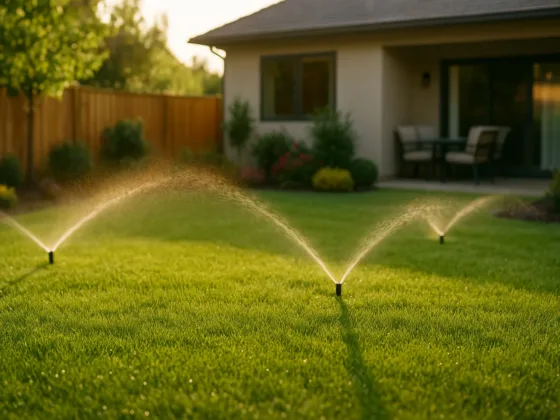
Start by watering lightly a day before the event. Hydrated grass retains flexibility, while excessively dry turf fractures and bruises under repeated steps. Avoid watering on the morning of the gathering. Saturated soil compresses quickly and forms ruts that linger after guests leave.
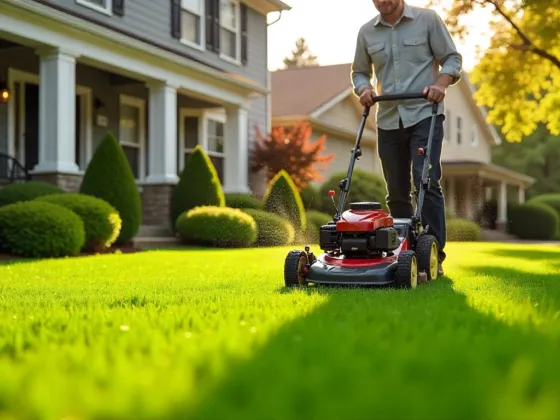
Mow to a moderate height rather than cutting the lawn too short. Grass trimmed too low loses structural strength and exposes soil more directly to compaction. Maintaining balanced blade length improves surface cushioning. If needed, revisit proper mowing techniques outlined in Tips On How to Mow the Perfect Lawn before adjusting height.
Clear sticks, uneven patches, and loose debris ahead of time. Small irregularities worsen under concentrated movement and create pressure points that leave visible depressions. A smooth surface distributes traffic more evenly.
Resist the instinct to fertilize immediately before hosting. New growth stimulated too close to the event increases vulnerability to flattening. Stability matters more than rapid greening when foot traffic intensifies.
Create Designated Walkways and Activity Zones
One of the most effective ways to protect your yard is by directing movement rather than reacting to damage afterward. Guests rarely move randomly. They follow visual cues — toward food, seating, lighting, and entry points. Without defined paths, repeated circulation forms narrow traffic strips across the lawn.
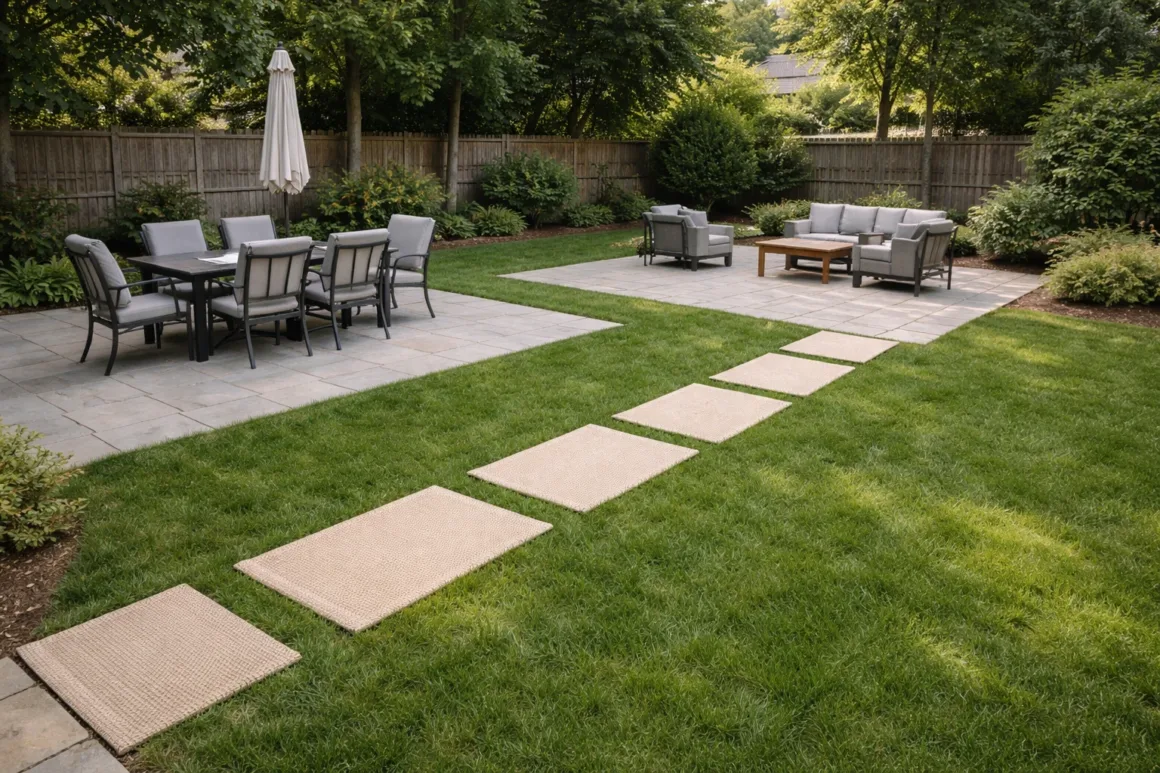
Instead of allowing guests to walk freely across the entire yard, establish intentional routes between high-use areas. Entry-to-seating, seating-to-dining, and dining-to-exit paths deserve reinforcement. When movement spreads across wider surfaces, pressure distributes more evenly and surface stress decreases.
- Set up clear walkways using outdoor rugs, rubber mats, or temporary pavers.
- Define specific zones for seating, dining, and socializing.
- Keep high-traffic areas away from delicate turf or newly planted sections.
Hardscape transitions also reduce lawn wear. Gravel strips, stepping stones, or patio extensions provide stable anchors where guests naturally pause. Homeowners refining these transitions often explore broader layout strategies discussed in How to Use Hardscaping for Your Backyard? when balancing design with durability.
Defined activity zones do more than protect grass. They improve flow. When dining, lounging, and circulation areas feel structured, guests move with fewer bottlenecks. Fewer bottlenecks mean fewer concentrated stress points on any single section of turf or paving.
Visual boundaries such as lighting lines, planters, or subtle edging guide movement without feeling restrictive. Protection becomes part of the layout rather than an afterthought.
Use Protective Ground Covering
Temporary ground protection reduces concentrated wear where foot traffic and furniture weight converge. It works by spreading load across a wider surface area instead of allowing pressure to press directly into soil or delicate paving.
For moderate gatherings, simple solutions provide enough reinforcement. Outdoor rugs and heavy-duty mats soften repeated steps in seating zones. Temporary pavers create stable walkways that prevent narrow wear paths from forming. When positioned correctly, these additions blend into the layout rather than interrupt it.
- Interlocking flooring panels for concentrated high-traffic areas
- Outdoor rugs or rubber-backed mats beneath seating clusters
- Plywood sheets, covered for appearance, under heavy tables or equipment
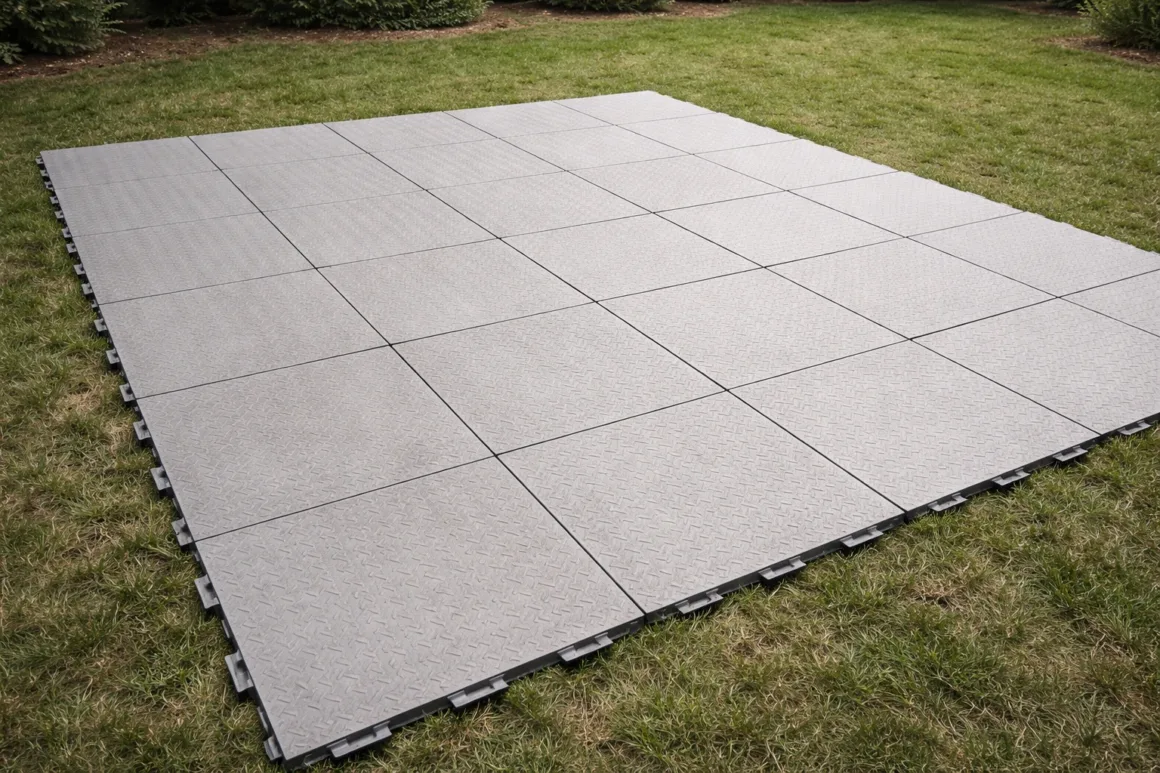
Larger gatherings introduce heavier loads — catering equipment, staging, beverage stations, or clustered seating arrangements. In these situations, structural ground systems distribute weight more evenly and reduce localized compression. Structured event flooring solutions, such as those provided by Opus Event Rentals, demonstrate how temporary panel systems stabilize surfaces without requiring permanent modification.
Scale determines necessity. Small backyard dinners do not require structural flooring systems. Events with extended duration, higher guest counts, or equipment staging demand broader weight distribution. The objective remains consistent: prevent concentrated pressure from reshaping soil structure or stressing hardscape joints.
Ground protection should complement the design rather than overpower it. When integrated thoughtfully, it protects both function and appearance, allowing the landscape to carry activity without visible strain.
Be Strategic with Furniture Placement
Heavy furniture and equipment create concentrated pressure in ways casual foot traffic does not. A single table positioned for several hours can compress turf more severely than dozens of footsteps. Weight that remains stationary sinks deeper into soft ground and stresses surface joints beneath it.
Placing heavy items directly on freshly watered grass increases the likelihood of visible impressions. Soft soil shifts under sustained load, leaving depressions that persist long after the gathering ends. Positioning larger pieces on firmer sections of the yard reduces this risk immediately.
- Avoid placing grills, buffet tables, or staging equipment directly on soft turf.
- Use protective pads under table and chair legs to distribute contact points.
- Elevate heavier items slightly when possible to minimize surface compression.
Spacing matters as much as weight. When furniture clusters tightly in one area, guests congregate in dense groups. That density amplifies stress on a single patch of lawn or pavers. Spreading seating across a broader footprint reduces localized wear and keeps the surface visually consistent afterward.
On hardscapes, dragging furniture causes surface abrasion along predictable lines. Lifting and repositioning rather than sliding prevents scratches and joint displacement. These small adjustments preserve both structural stability and finish integrity.
Protect Patios, Decking, and Hardscapes
Hard surfaces appear durable, but events expose them to a different type of stress than everyday use. Extended standing pressure, food spills, heat sources, and repeated chair movement concentrate wear in specific zones rather than across the entire surface.
Concrete and natural stone absorb liquids through microscopic pores. Wine, oil, and sugary drinks leave residue that darkens or stains when not addressed promptly. The longer a spill sits, the deeper it penetrates. Quick cleanup preserves surface tone and prevents permanent discoloration.
Decking materials respond differently. Wood compresses under sustained load and shows denting beneath narrow furniture legs. Composite boards resist moisture but still experience surface scuffing from repeated dragging. Heat from grills or portable heaters stresses both materials and may discolor finishes if placed directly against them.
- Use protective mats in dining and cooking zones.
- Add felt or rubber pads under chair and table legs.
- Place grills or heat-producing equipment on stable, insulated bases.
Joint lines between pavers deserve attention. Concentrated weight shifts individual units slightly, especially when the sub-base already shows minor settlement. Monitoring high-traffic seams during longer gatherings prevents misalignment from worsening.
For wooden decks that have not been sealed recently, protective preparation matters. A properly sealed surface resists staining and surface abrasion more effectively than untreated wood. Addressing this before hosting reduces post-event restoration work.
Manage Weather-Related Risks
Weather influences how every outdoor surface performs under pressure. The same backyard behaves differently in dry heat, after steady rain, or during shifting wind conditions. Ignoring those differences increases the likelihood of visible wear.
Rain softens soil structure. Saturated ground loses resistance and compresses quickly beneath repeated steps. Even moderate foot traffic leaves impressions when soil particles separate and shift under excess moisture. Hosting on wet turf requires additional surface reinforcement or adjusted layout planning.
Heat introduces a different strain. Grass under high temperatures already operates under stress. Extended standing weight during peak warmth flattens blades and slows recovery. Hardscapes absorb radiant heat, which amplifies surface temperature and affects sealants or coatings if exposure is prolonged.
Wind alters spatial balance. Lightweight furniture shifts, rugs curl at the edges, and protective coverings lift or fold. Movement creates friction across surfaces and concentrates wear along new lines. Securing temporary materials prevents unintended abrasion.
- Monitor soil firmness before setup and adjust layout if the ground feels unstable.
- Position heavier elements in sheltered zones to reduce wind displacement.
- Prepare covered areas or alternate hard surfaces if weather conditions shift unexpectedly.
Factoring weather into layout decisions preserves surface integrity and reduces post-event recovery work.
Limit Damage During the Event
Preparation reduces risk, but real-time awareness prevents escalation. Once guests arrive, movement patterns become visible. Certain areas attract more attention than expected, while others remain unused. Observing those shifts allows quick adjustments before visible wear sets in.
Encourage guests to use designated paths by keeping them visually clear and unobstructed. When walkways remain obvious, most people follow them instinctively. Subtle cues such as lighting direction, rug placement, or furniture alignment guide circulation without instruction.
Periodically check high-traffic zones. Flattened grass, shifting pavers, or sliding mats signal concentrated pressure. Adjusting layout mid-event — widening a pathway, relocating a cluster of chairs, or reinforcing a stressed area — prevents deeper surface impact.
Spills deserve immediate attention. Liquids that remain unattended seep into porous materials and increase staining risk. Quick cleanup protects finishes and maintains a safe walking surface.
Minor corrections during the gathering reduce the scale of restoration required afterward. Small actions preserve structural balance and visual consistency.
Restore Your Backyard After the Gathering
Post-event care determines how quickly your backyard returns to its original condition. Surfaces rarely recover on their own without light intervention. Addressing stress promptly prevents minor impressions from becoming long-term damage.
For lawns, begin with gentle rebalancing. Light watering supports recovery without oversaturating compressed soil. Raking flattened areas lifts grass blades and restores airflow at the surface level. If specific sections show thinning, reseeding early prevents patch expansion.
Where compaction appears more pronounced, targeted aeration reopens soil channels and supports root stability. Focus only on areas that carried concentrated traffic rather than disturbing the entire yard unnecessarily.
Hardscapes benefit from prompt cleaning. Remove residue before it bonds with porous material. Inspect paver joints for subtle shifts and reset them while alignment remains manageable. Reposition furniture to allow surfaces to settle evenly.
Timely attention preserves structural integrity and prevents small surface disruptions from evolving into costly repairs.
Final Thoughts
Outdoor gatherings test how well a space has been prepared to carry temporary intensity. Lawns compress, surfaces absorb friction, and layouts reveal whether movement was anticipated or improvised.
When preparation accounts for weight distribution, circulation patterns, and environmental conditions, your backyard supports both hospitality and durability. The result is not just a successful event, but a landscape that remains structurally sound and visually consistent long after guests leave.
Frequently Asked Questions
How many guests does it take to damage a lawn during a gathering?
Damage depends more on soil condition and traffic concentration than on a specific number. Twenty guests repeatedly walking through the same narrow strip create more compaction than forty guests spread across defined paths. Moisture level and event duration also influence how quickly visible stress appears.
Is temporary event flooring necessary for small backyard parties?
Most small gatherings do not require structural flooring systems. Defined walkways, thoughtful furniture spacing, and avoiding saturated soil usually provide sufficient protection. Temporary panel systems become practical when guest density increases or equipment weight concentrates in one area for extended periods.
Author & Editorial Review
Author: Perla Irish is a design and home-focused writer covering interior materials, everyday homeowner decisions, and real-world performance of residential finishes in consultation with licensed contractors and industry standards where applicable. Her work emphasizes clarity, practical context, and long-term usability over trends or transactional advice.
Editorial Review: This article was reviewed by the DreamlandsDesign editorial team with a focus on homeowner decision-making psychology, behavioral context, accuracy, and long-term relevance. Content is evaluated to ensure balanced explanations, clear intent, and alignment with Google Helpful Content and E-E-A-T quality standards.