Table of Contents Show
Why Seasonal Lawn Care Matters
A lush, green lawn doesn’t just happen — it’s the result of consistent, season-specific care. According to the National Association of Landscape Professionals, a well-maintained lawn can increase property value by up to 15%. Yet, many homeowners only focus on mowing and watering, overlooking essential seasonal tasks like soil aeration, fertilization timing, and pest control.
Whether you have cool-season grasses (Kentucky bluegrass, fescue) or warm-season varieties (Bermudagrass, zoysia), tailoring your maintenance to the seasons ensures deeper roots, richer color, and greater resilience year-round. For homeowners who want consistent results without the trial and error, hiring professional lawn care services can provide expert seasonal maintenance tailored to your region.
Spring: Wake Up Your Lawn
With melting snow and warming temperatures, spring is the time to prepare your lawn for growth.
Checklist:
- Rake & dethatch: Remove debris to allow sunlight and airflow.
- Fertilize with a nitrogen-rich formula: Encourages rapid green-up.
- Reseed bare spots: Patch winter damage before weeds take over.
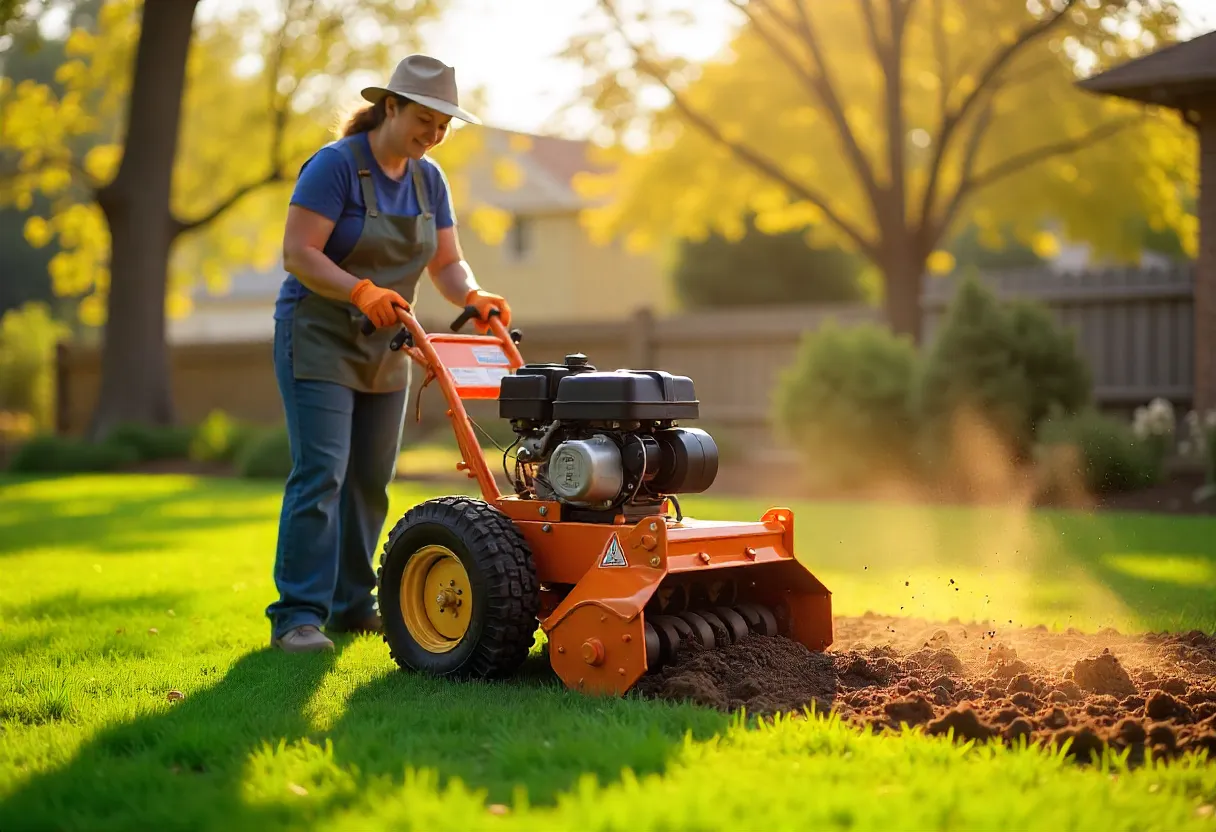
- Aerate compacted soil: Improves root development — Purdue University Extension notes spring aeration can improve root growth by up to 50%.
- Set mowing & watering schedule: Begin once grass shows active growth.
Case Study – Soil Compaction from Heavy Machinery: A construction project left a client’s backyard with severely compacted clay soil. We rented a core aerator, applied a thin layer of compost, and over-seeded with tall fescue. Germination was visible in 10 days, and within two months, the lawn was fully restored.
Summer: Beat the Heat
Hot weather and heavy use can stress your lawn — this is when strategic care matters most.
Checklist:
- Mow smart: Keep blades sharp and cut no more than one-third of grass height.
- Water deeply, infrequently: 1–1.5 inches per week, early mornings only. University of Nebraska–Lincoln Turfgrass Program research shows this promotes deeper roots and better drought tolerance.
- Control weeds & pests: Watch for crabgrass, chinch bugs, and grubs.
- Mulch grass clippings: Michigan State University Extension reports that mulching grass clippings can reduce fertilizer needs by up to one application per season.
Case Study – Water Savings on Bermuda Lawn: One Bermuda lawn client reduced water usage by 30% by switching from nightly watering to twice-weekly deep morning irrigation. The result? Deeper roots and a greener lawn during the hottest weeks.
Case Study – Heat-Damage Recovery for St. Augustine: In Florida last year, I treated a St. Augustine lawn suffering from salt damage after hurricane flooding. Instead of replacing the turf, we applied a gypsum soil treatment to flush out excess sodium, then followed with light, frequent irrigation for two weeks. Within a month, the lawn regained 80% of its color and density without re-sodding.
Fall: Strengthen for Winter
Fall is the perfect time to build resilience before cold weather.
Checklist:
- Apply potassium-rich fertilizer: Boosts winter hardiness.
- Aerate & overseed: Thickens turf and repairs thin spots — University of Minnesota Extension found fall overseeding yields up to 40% higher seedling survival.
- Keep mowing: Until growth slows significantly.
- Manage leaves: Shred with mower instead of bagging — adds organic matter and suppresses weeds.
Expert Insight – Fungal Outbreak Control: A Kentucky bluegrass yard in Ohio developed Dollar Spot fungus in early September. Instead of applying a blanket fungicide, we spot-treated affected areas, improved morning airflow by pruning overhanging branches, and adjusted the nitrogen schedule. The fungus cleared in three weeks, saving the homeowner $250 in chemical costs.
Expert Insight – Lawn Rescue After Heatwave: One client’s lawn was 70% dead after a July heatwave. We applied late-summer aeration, a compost topdressing, and drought-tolerant fescue seed. By October, the lawn was thick and green again — the key was restoring soil health first.
Winter: Protect & Plan
While growth slows, your lawn still needs protection.
Checklist:
- Avoid foot traffic: Prevents soil compaction.
- Remove debris: Stops mold and disease under snow.
- Plan for spring: Schedule aeration, fertilization, or overseeding.
Expert Insight – Preventing Rodent Damage: In northern states, voles can damage lawns under snow cover. By mowing grass shorter before the first snowfall and avoiding deep mulch near the lawn edge, you can drastically reduce vole nesting activity.
Pest & Disease Identification (USA)
Early detection can prevent major damage.
| Problem | Early Signs | Likely Cause | Quick Action |
|---|---|---|---|
| Brown Patch Fungus | Expanding brown circles | Rhizoctonia fungus | Improve drainage, apply fungicide |
| Armyworms / Cutworms | Chewed grass blades | Caterpillars feeding at night | Use insecticides or beneficial nematodes |
| Chinch Bugs | Yellowing patches in sunny areas | Sap-sucking insects | Apply insect control; maintain watering |
| Powdery Mildew | White coating on leaves | Fungal infection | Increase sunlight, reduce shade, use fungicide |
| Grubs | Dead patches in spring | Beetle larvae in soil | Apply grub control late summer/fall |
Resource: Check your local Cooperative Extension Service for regional pest treatment guides.
Regional Lawn Care Variations
The U.S. climate impacts grass type and maintenance timing.
Cool-Season Grasses (Kentucky Bluegrass, Perennial Ryegrass, Tall Fescue):
- Found in Northern states & Transition Zone.
- Fertilize heavily in fall; overseed early fall.
- Best growth in spring and fall.
Warm-Season Grasses (Bermudagrass, Zoysia, St. Augustine, Centipedegrass):
- Common in Southern states.
- Peak growth in summer; fertilize late spring.
- Dormant in winter — avoid heavy nitrogen.
Transitional Zones:
- Can support both types — choose blends suited to the microclimate.
Reference: USDA Plant Hardiness Zone Map.
Common Lawn Care Mistakes
- Overwatering leads to shallow roots.
- Cutting grass too short.
- Fertilizing at the wrong time.
- Ignoring pest problems until advanced.
Final Thoughts
With seasonal care tailored to your climate and grass type, you can enjoy a greener, healthier lawn all year. Whether you DIY or hire professional lawn care services, consistency is the foundation of lasting curb appeal.
Written by Mark Reynolds, a lawn care and landscaping specialist with over 10 years of hands-on experience helping homeowners achieve vibrant, healthy lawns. Contributor to multiple gardening publications and certified in turfgrass management.