Table of Contents Show
You’re a contractor who retired recently. You have time to build your dream home. You have the necessary framework in mind.
You also have all the tools in place to begin building. You want to build the house on a piece of land that you inherited years ago. However, you talked to a contractor friend. He told you to survey the land before building on it.
You know little about land surveying. You wonder if you should take other measures before building the home. You have reservations about starting the project immediately.
Where should you begin?
First, determine the location and soil quality before building a timber frame house. Also, assess the overall cost of the home. From there, you can use timber frame kits to get started faster.
And, you must consider the necessary zoning requirements before building the house. This article will show you how to construct a timber frame house without the hassle. Read further if you want to know where to begin the process.
Read Also:
Land Assessment
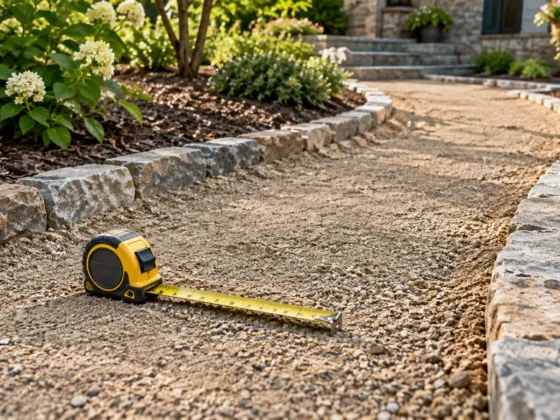
You need to test the soil quality before learning how to timber frame. This is especially true if you’re going to install a septic tank. Conduct a perc test on the soil to see if it can absorb fluids. If the soil fails the test, consider building in another area.
The test will also determine the type and size of the septic system. Use a septic system if you live in a rural area and cannot tap into public utility systems. For undeveloped land, refer to a topographical survey for further guidance.
Also, observe how the light and shadow interact with the ground. This will help you determine where you should build your frame. Also, consider the view that the housing location will provide.
The Cost Factor
Before starting the project, consider how much the project will cost in its entirety. The timber frame alone will cost anywhere between $50K to $150K. The price of the home depends on the complexity of the home and the size. Also, the type of timber you use will factor into the price.
Include small and large costs to prevent unforeseen expenses. Building a timber home is usually more expensive than other home types. For one, the timber used is more expensive. And, the insulation costs tend to run high.
Meet with a local builder to know the cost of building a home in your local area. If you need money upfront, consider a construction loan from a local lender. If your credit profile isn’t stellar, look into community investors for the money.
Angel investors and community investors may offer loans at requirements that are less stringent than banks or loan companies.
Regardless of the financing, you can find ways to stay within a suitable budget. For instance, consider building a two-story rectangular structure to save money. Single-story homes are more expensive in terms of cost per square foot. Building up is a better alternative than spanning out.
Overall, keep your housing plan simple to lower your expenses. Avoid fancy embellishments and complex interiors.
In terms of the interior, avoid such intricacies as vaulted ceilings. Vaulted ceilings are more expensive overall. Instead, a basic 10-to-12-inch ceiling will bring down the cost.
However, invest in quality wood and framing to maintain structural integrity. From there, you can save money on smaller items, such as fixtures and finishes.
Timber Type
Before building, consider what type of timber wood you’ll need. Consider the following varieties of timber:
- Reclaimed wood
- Hybrid wood
- Greenwood
- Standing dead timber
- Kiln-dried Wood
Use hybrid wood if you wish to save money. Hybrids are less expensive than other timber types.
Greenwood is the most accessible because it’s easy to cut. They’re fresh from the forest and have high moisture. These trees need extra time to dry out. They will also crack when introduced to a new environment. However, the drying process doesn’t affect the structure of the home.
On the other hand, Kiln-dried timber comes with less moisture. Handlers dry the timber before offering it on the market. Therefore, dry timber is more expensive than greenwood.
Blackbutt Timber is another option because of its durability. It’s also easy to work with. It’s especially useful for exterior and structural frames.
Create the Framework
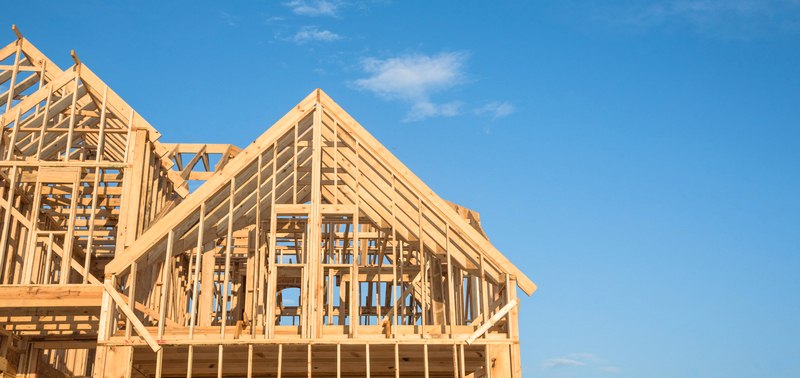
The easiest way to get started is to invest in timber frame kits. The cost of the kit depends on a variety of factors, such as:
- The size of the home
- The complexity design
- The location
You can get your frame kit shipped from the factory to your doorstep. They usually come pre-drilled as well. They also come with easy instructions from beginning to end. You can also tailor these kits to your needs and expectations.
You can order the kits as-is or use it as a frame of reference. They’re also a great option if you plan to build the entire frame from scratch. However, you must look into the company that you purchase the kit from. Ensure that they use quality wood before making an order.
Purchase a kit from a reputable company that provides technical support. Also, the best frame kit companies offer a manager to oversee your crew. Or, the company may give you a crew to work with.
You can also see them pre-designed before assembly begins. Once you establish the frame, you can begin the interior and exterior work.
When it comes to the exterior, decide what type of paneling you wish to place on the home. If you want to save time, consider pre-closed panel frames that already have wiring and plumbing networks.
Building a Timber Frame House the Right Way
Before starting your project, determine the quality of your land. A land survey will guide you in building the home in the right location. Also, consider how you will finance the project from beginning to end.
Building a timber frame house from scratch is an option, but you can hasten the process with timber home kits. These kits will come pre-designed and tailored to your tastes. After you install the home kit, you can work on the exterior and interior.
If this is your dream home, invest more money to get the quality space and luxury that you desire.