Table of Contents Show
Selecting the right TV mounting type for different rooms is crucial, not only for aesthetic purposes but also to meet practical needs. Your choice should optimize the viewing experience while taking into consideration the unique characteristics of each room.
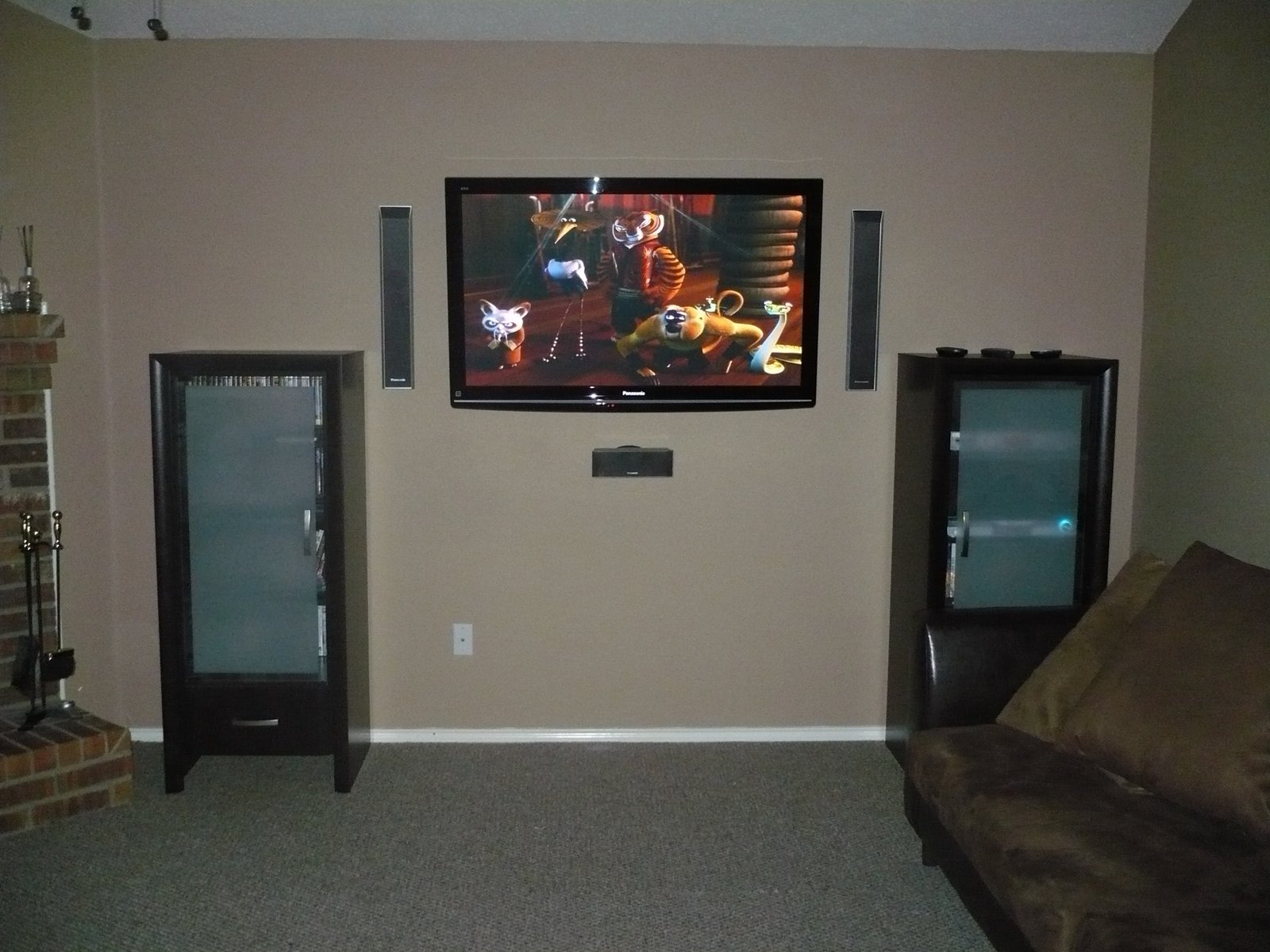
- Living Room: A full-motion TV mount works best for the living room as it allows for versatile viewing angles that accommodate different sitting positions or a larger audience.
- Bedroom: A tilted mount is ideal for bedrooms, as people often watch TV lying down. This mount type allows the screen to tilt downwards for a more comfortable viewing angle.
- Kitchen: An under-cabinet mount is perfect for the kitchen. It saves space and allows the TV to be tucked away when not in use.
- Outdoor Spaces: For patios and other outdoor spaces, weather-resistant mounts are the go-to. They are designed to withstand the elements, thus prolonging the life of your TV.
- Home Gym: For home gyms, a ceiling mount is recommended as it keeps the TV out of the way and allows for optimal viewing while working out.
- Kids’ Playroom: A low-profile or flush mount is most suitable for kids’ playrooms. It reduces the risk of accidents and is less likely to be tampered with by young children.
- Home Office: For home offices, a desk mount is the perfect solution. It allows for easy adjustment and positioning of the TV for convenient viewing while working.
- Garage or Workshop: In garages or workshops, a swivel mount is recommended as it allows for flexibility in directing the TV towards different areas where work is being done.
Choosing the correct TV mount with Queens TV Mounting can drastically enhance your viewing pleasure and ensure that your television fits seamlessly into its environment. Your decision must be well-informed, taking into account the room’s size, layout, and function.
Queens TV Mounting and Considerations for Different Wall Types
When it comes to mounting a TV on the wall with Queens TV Mounting, the type of wall you’re dealing with plays a significant role in the installation process. Different wall types have specific characteristics that may affect the mounting method, hardware, and considerations.
Drywall (Gypsum Board):
Drywall, or gypsum board, is one of the most common materials used for interior wall surfaces. It’s relatively easy to install a TV mount on drywall, assuming there are studs located where you want to hang the TV. Studs provide the necessary support to hold the weight of the TV and ensure safety.
Concrete or Masonry Walls:
Concrete or masonry walls provide sturdy and reliable backing for TV mounts. The main challenge with concrete walls is the need for specific tools such as a hammer drill and concrete anchors to secure the mount. Unlike drywall, mounting a TV on concrete does not rely on finding studs; instead, you can position the TV mount anywhere you prefer.
Plaster Walls:
Plaster walls, common in older homes, are harder and denser than drywall, which makes mounting a TV a bit more challenging. Their thickness and the lath (wooden strips) behind the plaster can make locating studs a difficult task. Special stud finders designed for plaster walls can be used to identify the most secure spot for mounting. You will also need robust drill bits to penetrate the plaster and reach the studs. When handled correctly, plaster walls can securely hold a mounted TV.
Brick or Stone Walls:
Brick or stone walls pose a unique challenge when it comes to mounting a TV. These wall types are highly durable and can bear a substantial amount of weight, making them technically suitable for holding a TV mount.
Wood Paneling Walls:
Wood paneling provides a warm, rustic aesthetic to the room and can be a suitable surface for mounting a TV. However, it requires careful handling during installation. Like drywall, locating the studs behind the paneling is vital to ensure the TV mount has a firm, secure hold. Specialized tools such as a stud finder can be used to identify these locations. Once the studs are found, you can proceed with drilling holes for the screws.
Metal Studs:
Metal studs, while not as common as wood studs, are frequently found in modern buildings due to their fire resistance, consistency in size, and resistance to warping.
However, mounting a TV on metal studs presents a unique challenge. While metal studs can support the weight of a TV, they require specific hardware, such as toggle bolts, to ensure a secure hold. An improper installation might lead to the TV mount pulling away from the wall.
Plasterboard or Lath and Plaster Walls:
Plasterboard, or lath and plaster, is another common wall type found in homes. Like plaster walls, plasterboard is denser and harder than drywall, posing similar challenges when mounting a TV.
The lath (wooden strips) behind the plasterboard can make detecting studs a difficult task, and the density of the wall requires robust drill bits for secure installation. Even with these challenges, when done correctly, a TV mount can be securely affixed to plasterboard or lath and plaster walls.
Hollow Core Doors:
Hollow core doors are a less common choice for mounting a TV due to their hollow nature. They are typically lightweight and cannot bear much weight, making them unsuitable for heavy objects like televisions.
If you wish to mount a TV on a hollow core door, it is critical to use special hardware, such as toggle bolts or molly bolts, which are designed to distribute weight across a larger area.
Cinder Block Walls:
Cinder block walls, also known as concrete masonry units (CMU), are commonly found in basements, garages, or commercial buildings and can provide a sturdy surface for mounting a TV. Their high durability and support capacity means they can bear the weight of most TVs with ease.
Tile Walls:
Tile walls, commonly found in bathrooms or kitchens, present their own unique set of challenges when it comes to mounting a TV. The hardness and slippery surface of tiles can make drilling difficult and risky.
There’s also the risk of damaging or cracking the tiles during the installation process. Specialized tools like a diamond-tipped drill bit and a steady hand are needed to successfully drill into tile without causing damage.
Always consider the wall type in your home and the recommended installation methods and hardware to ensure a safe and secure Queens TV Mounting. If you’re unsure about the wall type or the installation process, it’s advisable to consult with a professional TV mounting service or a contractor with experience in wall mounting.