Table of Contents Show
A water stain on a ceiling rarely appears the same day a pipe starts leaking. In many homes, the damage begins weeks or even months earlier. Moisture slowly spreads behind drywall, beneath flooring, or inside cabinetry until something finally becomes visible.
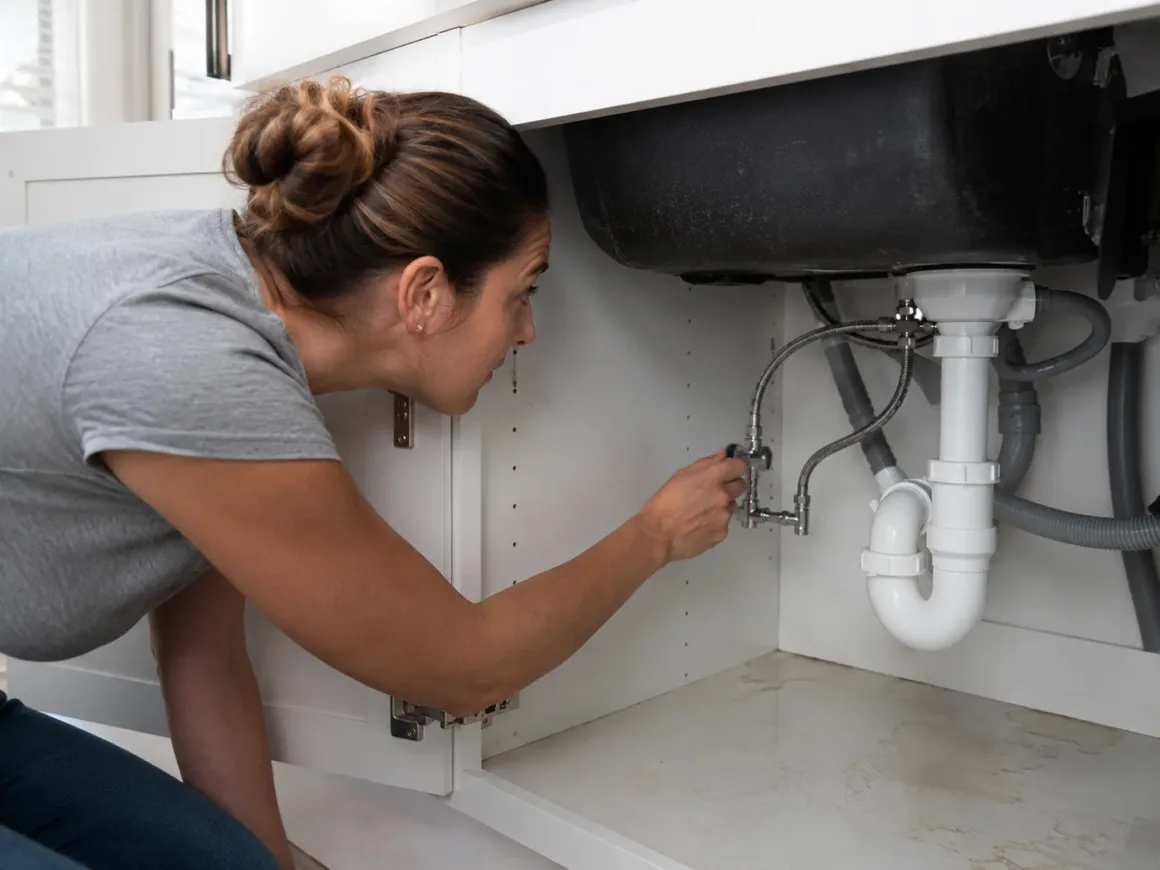
That delay explains why relatively minor plumbing problems frequently turn into costly repair projects. The repair itself may be relatively simple. Replacing damaged materials, drying affected areas, and correcting secondary problems frequently cost far more than fixing the original issue. Regular inspections make it easier to find a damp cabinet floor, a slow drip beneath a sink, or a worn supply line before repairs spread beyond the plumbing itself.
Water damage usually becomes visible long after moisture begins spreading through surrounding materials.
Why Small Leaks Become Expensive
Serious water damage rarely begins with a burst pipe. More commonly, it starts with a leak small enough to escape attention. A loose fitting beneath a sink, a worn valve connection, or a small crack in a supply line may release only a few drops at a time. Because the leak remains hidden, the problem often goes unnoticed until visible damage appears.
The leak itself is rarely what attracts attention first. A cabinet develops a musty odor. Paint begins separating from a baseboard. Flooring feels slightly different underfoot. Visible clues usually appear before the source of the moisture is discovered.
The same pattern appears in many costly repair situations. Small leaks hidden behind cabinets, walls, or flooring frequently cause more damage than the original plumbing fault itself. Additional examples can be found in Avoid the Most Expensive Plumbing Repairs in Your Home: Here’s How.
What Happens Before a Drain Stops Working
A completely blocked drain rarely appears without warning. In most homes, buildup develops gradually as grease, food residue, soap deposits, and hair accumulate inside the pipe over months of regular use.
Drain problems usually announce themselves in subtle ways. Water sits in the sink a little longer after dishes are washed. A shower takes extra time to clear. Odors appear briefly and disappear again. Because none of these issues seem urgent, maintenance is frequently postponed.
Simple maintenance habits often prevent minor drain restrictions from turning into full blockages. Additional ideas are covered in easy tips to unclog your drains.
Water Pressure Is Not Always Your Friend
Strong water pressure feels great in the shower, but excessive pressure places continuous stress on a home’s plumbing system. Pipes, valves, fittings, appliance connections, and fixtures all absorb that pressure every minute of every day.
High water pressure can go unnoticed for years. A kitchen faucet may seem normal. Showers still feel powerful. Washing machines and dishwashers continue working as expected. Meanwhile, pressure places continuous stress on fittings, valves, and flexible supply lines hidden throughout the home.
Pressure testing frequently uncovers failing pressure regulators, stressed fittings, and supply lines that are operating under unnecessary strain. It also helps homeowners better understand how water moves through the various piping systems found in residential properties.
Water Heaters Last Longer When They Receive Attention
Water heaters typically spend years out of sight in garages, utility closets, and basements. Loss of efficiency is easy to miss because hot water remains available even as the system works harder behind the scenes.
Mineral sediment gradually accumulates at the bottom of many storage-tank water heaters. As the buildup thickens, the burner or heating elements must work harder to heat the water above it, which often leads to higher operating costs and additional strain on the system.
Flushing sediment from the tank helps the burner or heating elements work more efficiently and reduces the amount of heat trapped beneath mineral buildup. When a water heater reaches the end of its service life, understanding the differences between gas and electric water heaters can make the replacement decision easier.
Appliance Connections Deserve More Attention
Most homeowners rarely see the supply lines connected to washing machines, refrigerators, and dishwashers because they remain hidden behind the appliance for years at a time.
Appliance supply lines spend most of their lifespan hidden behind equipment, which makes them easy to overlook during routine maintenance. A washing machine hose or refrigerator supply line can appear perfectly normal until a split, crack, or fitting failure suddenly allows water to escape.
A quick inspection behind a washing machine, refrigerator, or dishwasher can reveal moisture, corrosion, or hose deterioration before water reaches nearby flooring, drywall, or cabinetry. Replacing an aging supply line is usually far less expensive than repairing the damage caused by a failure.
The First 24 Hours After a Leak Matter Most
Water damage becomes significantly more expensive when moisture remains trapped inside walls, flooring, or cabinetry. In many situations, the plumbing repair itself represents only a small portion of the final restoration cost. Drying, material replacement, mold remediation, and reconstruction often account for the largest expenses.
In larger water-damage projects, repairing the leak itself is often one of the smaller expenses. Flooring, insulation, drywall, trim, and cabinetry frequently account for a much larger share of the final bill.
In many residential water-damage claims, restoring affected materials costs substantially more than repairing the plumbing component that failed.
Replacing drywall, insulation, trim, flooring, and cabinetry frequently costs far more than repairing the failed pipe, valve, or fitting that started the leak.
What Rising Water Bills Can Reveal
Unexpected increases in water usage can expose plumbing problems long before visible damage appears.
A running toilet or hidden leak behind a wall can waste water for months without leaving a visible stain or puddle.
A utility bill that suddenly increases despite unchanged daily routines may point to a running toilet, a hidden leak behind a wall, or a fixture that wastes water throughout the day. In some cases, the bill provides the first measurable sign that something requires attention.
Seasonal Maintenance Prevents Seasonal Surprises
Freezing temperatures, prolonged rainfall, and summer irrigation schedules all place different types of stress on residential plumbing. Winter temperatures can freeze exposed pipes, while heavy rainfall may reveal drainage problems that remain hidden during drier months. Summer places additional demand on irrigation systems, outdoor faucets, and water-dependent landscaping features.
A seasonal inspection can uncover exposed pipes, outdoor faucets, clogged drainage routes, or worn insulation before weather conditions turn a small repair into a larger project. The same proactive approach applies to many of the tasks discussed in HVAC and plumbing maintenance planning.
Drywall, insulation, flooring, and cabinetry usually cost more to replace than the plumbing component that caused the leak.
How Preventative Maintenance Reduces Repair Costs
Emergency plumbing repairs rarely involve a single expense. Water extraction, drywall replacement, flooring repairs, repainting, and mold remediation often follow the original repair. The longer a problem remains unnoticed, the higher the total cost tends to become.
Rubber seals dry out, appliance hoses weaken, fittings loosen, and water heaters accumulate sediment over time. None of those changes happen overnight, which is why regular inspections remain one of the most effective ways to avoid unexpected repairs.
A leaking shutoff valve beneath a sink, a worn washing machine hose, or sediment collecting inside a water heater rarely creates an emergency on the first day. Costs rise when those warning signs remain unnoticed long enough to damage flooring, drywall, cabinetry, or other finishes. When professional evaluation is needed, a trusted plumbing company in Greenwood can identify worn components, hidden leaks, and pressure-related problems before repair costs increase.
Author & Editorial Review
Author: Perla Irish is a design and home-focused writer covering interior materials, everyday homeowner decisions, and real-world performance of residential finishes in consultation with licensed contractors and industry standards where applicable. Her work emphasizes clarity, practical context, and long-term usability over trends or transactional advice.
Editorial Review: This article was reviewed by the DreamlandsDesign editorial team with a focus on homeowner decision-making psychology, behavioral context, accuracy, and long-term relevance.