Table of Contents Show
Quick Answer: In Australian homes, leaking drains are usually caused by a mix of ageing or corroded pipes, loose or damaged joints, tree roots getting into underground lines, ground movement, blocked drains that build up pressure, weather extremes, and damage from harsh chemical cleaners. If you notice musty odours, damp patches, bubbling drains, or unexplained spikes in your water bill, it’s time to investigate and often call a licensed plumber for targeted leak detection or leaking drain repair in Brisbane or your local area before minor leaks turn into structural or health problems.
A leaking drain might start as a small annoyance – a damp patch under the sink, a slow drip, or that unmistakable sewer smell – but in Australia’s climate, it can quickly snowball into serious mould, slab movement, or water-damage issues. The real challenge for most homeowners isn’t just stopping the drip, but understanding why the drain is leaking in the first place.
Once you know the root cause, you can decide whether simple maintenance will solve it or whether it’s time to bring in leak detection specialists and licensed plumbers.
First, How Do You Know if a Drain Is Leaking?
Before you start blaming the pipes, it helps to recognise the early warning signs. Common red flags in Australian homes include:
- Musty or sewage odours around sinks, showers, or floor wastes
- Damp spots or staining on ceilings, skirting boards, or cabinetry
- Soft, spongy, or swollen flooring near bathrooms, laundries, or kitchens
- Wet or unusually green patches over buried drains in the garden
- Gurgling sounds when fixtures drain, or bubbling from nearby traps
- Repeated blockages in the same fixture or line
- Unexplained increases in your water bill despite normal usage
If any of these sound familiar, there’s a good chance you’re dealing with a leaking drain or pipe – even if you can’t see free-flowing water yet.
9 Common Causes of Leaking Drains in Australian Homes
1. Ageing or Corroded Pipework
Many Australian homes – especially those built before the 1980s – still rely on older materials like cast iron, clay, or galvanised steel. Over decades, these pipes can:
- Rust from the inside out
- Develop hairline cracks and pinhole leaks
- Weaken at joints and fittings
Typical signs include discoloured or rust-tinted water, reduced water pressure, and persistent damp spots around drainage runs. In some cases, you might also notice mould growth or a faint “metallic” smell.
If your home still has original plumbing, combine this article with the deeper warning signs in our guide to when to replace cast iron plumbing so you can budget for upgrades before a leak becomes a major repair.
When leaks keep appearing in different areas of an ageing system, the issue is often no longer about fixing individual sections. At that point, homeowners are facing a structural plumbing decision rather than a routine repair—one that affects long-term reliability, compliance, and risk inside the home.
2. Loose or Damaged Joints, Seals, and Traps
Not every leak starts with a cracked pipe. In many kitchens, bathrooms, and laundries, the weak point is actually the joint:
- Rubber compression seals in sink traps are drying out and shrinking
- Push-fit PVC joints that were never fully seated
- Threaded connections that have worked loose over time
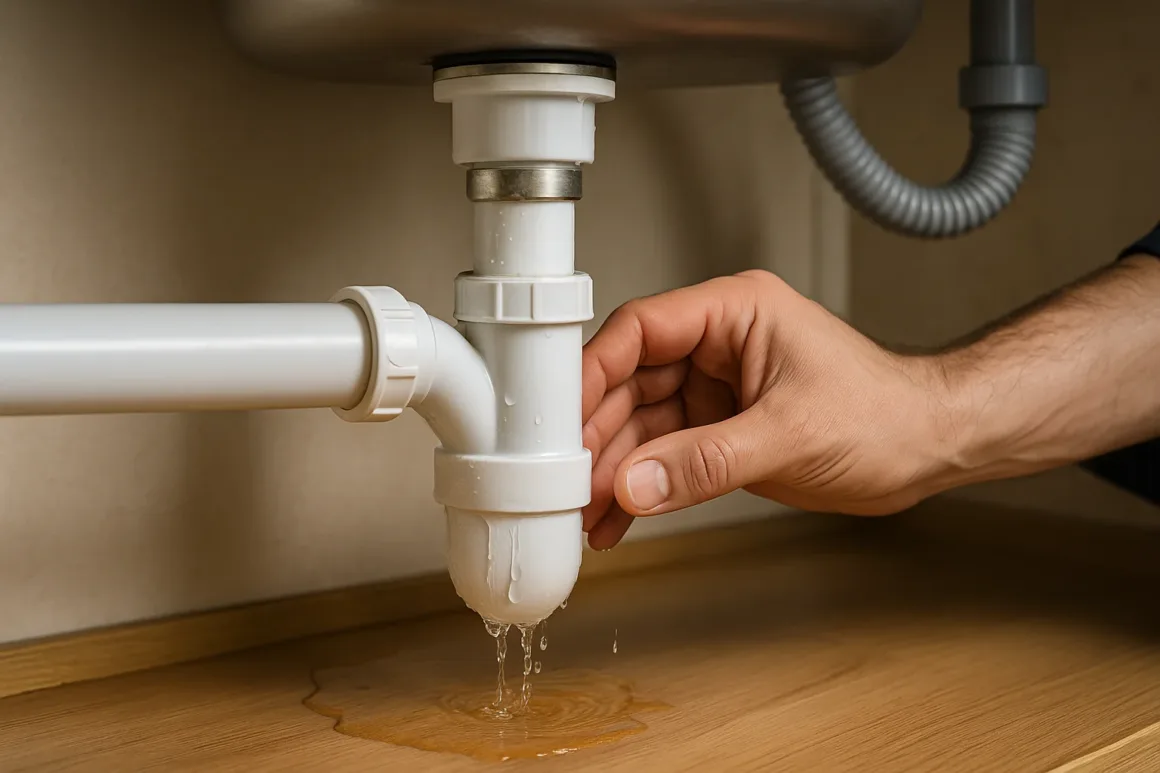
These issues are especially common under sinks and vanities, behind dishwashers, and around floor wastes. You may see slow drips only when the fixture is draining, or a ring of swelling or staining at the back of a cabinet.
Visible traps and flexible connections can sometimes be safely tightened or resealed by confident DIYers. Hidden joints inside walls, ceilings, or concrete slabs should be assessed by a licensed plumber.
3. Tree Root Intrusion into Underground Drains
Australia’s climate is tough on drains. Trees and large shrubs naturally chase moisture, and even tiny imperfections in buried pipes are enough for root hairs to make their way in. Over time, those roots:
- Grow inside the pipe, trapping debris
- Force joints apart and crack brittle pipes
- Create partial or full blockages and repeated overflows
Common warning signs are gurgling drains, frequent “mysterious” blockages, and wet or sunken patches in the yard over sewer or stormwater lines. Once roots have entered a pipe, chemical DIY treatments rarely solve the problem – they often just burn foliage while leaving structural damage behind.
Modern plumbers typically use CCTV cameras to inspect the line and then clear roots mechanically or via hydro jetting. Where damage is extensive, pipe relining or full replacement sections may be recommended rather than yet another short-term clear.
4. Poor Installation or Rushed DIY Plumbing Work
Not all plumbing work is done to the same standard. Common installation issues that turn into leaks include:
- Pipes with insufficient fall or incorrect gradients
- Mixed materials (for example, PVC to copper) joined without proper fittings
- Improvised DIY repairs with tape, silicone, or non-plumbing parts
- Pipes forced into position, leaving constant stress on joints
These problems often show up soon after renovations or new builds, but they can also take a few years to appear as materials settle and gaskets age. In Australia, drainage and most plumbing work is regulated under the Plumbing Code of Australia (PCA), and certain work must legally be carried out – and certified – by a licensed plumber.
5. Ground Movement, Soil Shifting, and Foundation Issues
Australia’s soil types vary dramatically from region to region. Clay-rich soils expand and contract with moisture, while sandy soils can wash out or slump after heavy rain. Over time, this movement can:
- Stress buried pipes until they crack or shear at joints
- Create low spots where water and debris continuously sit
- Lead to misaligned connections under or through foundations
In some homes, you may see cracks in walls or paths at the same time you’re experiencing drainage problems. That’s a sign the issue could be bigger than a single leaking trap or fitting.
If you suspect movement around underground services, pair this advice with our walkthrough on how to find a leak in an underground water pipe so you can brief your plumber with useful information before they arrive.
Blocked drains don’t just cause slow sinks or gurgling toilets. When waste can’t move freely, pressure builds behind the blockage and looks for the weakest escape route. That weak spot might be a hairline crack in a pipe, a loose joint, or a rubber seal that’s started to fail.
Common culprits in Australian homes include:
- Fats, oils, and grease (FOG) washed down kitchen sinks
- Food scraps, coffee grounds, and eggshells
- Hair and soap scum in showers and bathroom basins
- “Flushable” wipes, nappies, and sanitary products in toilets
- Garden debris entering stormwater drains
Early symptoms of pressure build-up include slow-draining fixtures, bubbling or gurgling noises, and unpleasant odours rising from floor wastes or overflow gulleys.
For a deeper routine-care plan, check out our guide to drain maintenance habits that prevent plumbing emergencies so blockages don’t have a chance to damage your pipes.
7. Weather Extremes, UV Exposure, and Storm Damage
Australia might not see long, hard freezes in most regions, but our climate is still tough on plumbing. Outdoor drains and exposed sections of pipe are vulnerable to:
- UV damage from the strong sun degrades plastics over time
- Sudden temperature changes that cause expansion and contraction
- Storm debris (leaves, branches, dirt) that clogs pits and grates
- Heavy downpours that overload poorly maintained stormwater systems
When stormwater lines choke, water may back up and escape through joints, inspection openings, or weak sections in buried pipes. Regular gutter and pit cleaning, plus simple checks after major storms, go a long way to protecting both your roof drainage and below-ground drains.
8. Everyday Wear, Appliance Loads, and High Water Pressure
Even a well-designed plumbing system won’t last forever. Daily use of toilets, showers, washing machines, and dishwashers slowly wears components down. Over time, you may find:
- Rubber seals and O-rings drying, flattening, or cracking
- Vibration from appliances shakes fittings loose
- High water pressure overstressing pipes, joints, and valves
Strong pressure might feel great in the shower, but if it’s significantly above the range your system was designed for, it can accelerate leaks inside walls and under floors. If you hear banging pipes (“water hammer”) or notice valves failing regularly, it’s worth asking a plumber to test and regulate your pressure.
9. Chemical Damage from Harsh Drain Cleaners
Those heavy-duty drain cleaners promising to “eat through anything” can be brutal on your plumbing. Many contain caustic or acidic ingredients that:
- Corrode the inside of metal pipes
- Soften or distort certain plastics if used repeatedly
- Damage rubber seals and trap components
They might clear a single blockage, but repeated use often leaves pipes thinner and more fragile – exactly the wrong combination in older homes. Enzyme-based products and mechanical cleaning are usually far kinder to your plumbing.
For safer options, see our guide on how to properly clean plumbing pipes without relying on harsh chemicals.
Why a “Small” Leak Is a Big Problem
It’s tempting to ignore a slow drip or faint smell – especially when the leak is out of sight. But in Australia’s humid and sometimes stormy conditions, leaking drains can quickly lead to:
- Mould and mildew growth in wall cavities, under floors, and in cabinetry
- Timber rot in framing, subfloors, and skirting boards
- Attracting pests like cockroaches, ants, and termites
- Slab or foundation issues if water washes away soil under the footings
- Slip hazards around outdoor drains and paths
- Higher water bills as leaks quietly waste water
In homes where leaks recur despite repeated fixes, these risks often point to deeper system fatigue. Understanding when repairs stop being effective—and when a broader repiping strategy makes sense—helps homeowners avoid chasing the same problems year after year.
Left alone, a modest leak can turn into thousands of dollars in damage. For a sense of just how far things can go, see our explainer on how much damage a water leak can cause to your home – from stained ceilings to full structural repairs.
How to Prevent Leaking Drains in Australian Homes
You can’t control tree roots or soil movement, but you can reduce the biggest everyday risks with a few simple habits.
- Schedule routine plumbing inspections every few years, especially in older homes or if you’ve had previous leaks.
- Keep FOG out of your kitchen sink – wipe pans with a paper towel before washing and use a sink strainer for food scraps. For more ideas, see our tips to keep drains clean.
- Use drain guards or strainers in showers and basins to catch hair and debris.
- Avoid harsh chemical cleaners; use enzyme-based maintenance products and mechanical clearing instead.
- Keep trees and large shrubs a safe distance from sewer and stormwater lines whenever you’re planting new landscaping.
- Clean gutters, downpipes, and stormwater pits regularly so stormwater has somewhere to go during heavy rain.
- Check under sinks and around fixtures every month for dampness, swelling, or mouldy smells.
- Act quickly if you notice early signs – slow drains, bubbling, odours, or new water stains.
Want a simple routine to follow? Our article on drain maintenance habits that prevent plumbing emergencies walks through what to do weekly, monthly, and seasonally so leaks and blockages don’t sneak up on you.
For even more protection, pair those habits with the professional services outlined in our guide to plumbing services that can prevent damage – from annual inspections to targeted drain cleaning.
When to DIY and When to Call a Licensed Plumber
In Australia, drainage and most plumbing work are regulated. The Plumbing Code of Australia and state-based laws require certain work – especially anything that affects sanitary plumbing or underground drains – to be done and certified by a licensed plumber.
Reasonable DIY Checks
You can often safely:
- Tighten or replace an accessible sink trap if you can clearly see where it’s leaking
- Clean hair and debris from grates and strainers
- Use a plunger (correctly) on minor sink or basin blockages
- Monitor your water meter to confirm whether a leak is present
If you try these simple steps and the problem returns quickly, or the leak is hidden inside walls, ceilings, or under slabs, it’s time to step back.
Call a Licensed Plumber If:
- The leak is in a wall, ceiling, or underground drain line
- You’re seeing repeated blockages or sewage smells from multiple fixtures
- Ground is sinking, boggy, or unusually green along your sewer run
- You suspect root intrusion or pipe collapse
- Water is affecting electrical systems, structural framing, or flooring
Licensed plumbers not only have the tools (CCTV cameras, acoustic leak detectors, pressure testing equipment) but are also bound by state regulations and warranty obligations. In Queensland, for example, contractors are regulated by the QBCC and must ensure their work complies with plumbing and drainage laws and guidelines for maintaining your home’s safety and performance.
And remember: if you’re renting, urgent plumbing issues like major leaks or sewage overflows are generally treated as urgent repairs. State bodies such as NSW Fair Trading and other tenancy regulators outline how tenants should report problems and when they can arrange emergency repairs if the landlord or agent can’t be reached.
Wherever you’re located, if a leak is beyond a simple trap or loose fitting, it’s worth getting a proper diagnosis from a licensed plumber – whether that’s your trusted local contractor or a specialist team offering targeted leak detection and leaking drain repair in Brisbane and surrounding suburbs.
FAQ: Leaking Drains in Australian Homes
What is the most common cause of a leaking drain in Australia?
In many suburbs, the biggest culprits are ageing pipes and tree roots. Older clay or cast-iron pipes crack and corrode over time, while tree roots exploit tiny gaps and then grow inside the pipe, forcing joints apart. Everyday misuse – like pouring fats and oils down the sink – then accelerates damage by creating blockages and pressure behind those weak points.
Is a leaking drain an emergency?
It depends on where the leak is and what it’s affecting. A slow drip under a kitchen sink still needs prompt attention, but sewage leaks, rapidly spreading damp, or leaks near electrics should be treated as urgent. In rentals, sewage leaks and major pipe bursts are usually classed as urgent repairs under state tenancy laws, so they should be reported immediately.
Can I just use drain cleaner to fix a leaking drain?
Harsh drain cleaners might clear a clog, but they won’t repair a damaged pipe – and they often make things worse by corroding older plumbing and softening seals. If a leak is already present, adding caustic chemicals can quickly turn a small crack into a larger failure. Stick to gentler maintenance methods and call a plumber if you suspect structural damage.
How can I reduce the risk of leaks long-term?
Build simple habits into your routine: keep FOG and foreign objects out of drains, use strainers in sinks and showers, clean gutters and stormwater pits, and book periodic plumbing check-ups. Combine that with the strategies in our guides to keeping drains clean and plumbing services that can prevent damage, and you’ll dramatically cut your risk of surprise leaks and emergencies.
Author: Perla Irish — Home Improvement Editor at DreamlandsDesign
Perla Irish writes about practical home maintenance, DIY plumbing, and building systems. Her work focuses on turning complex topics – from drain maintenance to full-home renovations – into step-by-step guides homeowners can actually use. View Perla’s Muck Rack profile.
Reviewed by: Paul White JP LMAHSCA FIPA — Director, Construction Hydraulic Design Pty Ltd
Paul White is a Perth-based hydraulic services engineer and director of Construction Hydraulic Design Pty Ltd (CHD), a specialist consultancy that designs plumbing, drainage, and fire services systems for residential, commercial, and public projects across Western Australia. With more than 40 years of experience in the plumbing industry and extensive involvement in industry bodies such as the Association of Hydraulic Services Consultants Australia (AHSCA), he brings a design and compliance perspective to residential drainage issues. Connect with Paul on LinkedIn.