Table of Contents Show
Quick answer: The most reliable way to remodel your basement and truly maximize space is to fix moisture and code issues first (waterproofing, insulation, ceiling height, egress windows, ventilation, and radon), then design the layout around one or two primary uses—such as a family room, rental suite, or home office—while layering in storage, good lighting, and flexible furniture so the space can adapt as your needs change.
For many households, the basement slowly becomes a catch-all for holiday boxes, outgrown toys, and hand-me-down furniture. It looks like storage, but in most homes it’s actually one of the biggest untapped “rooms” in the house. With a dry shell, a sensible plan, and a realistic budget, that underused lower level can turn into a comfortable, hard-working space you use every day instead of once a year.
Depending on your priorities, a remodel can give you a cozy family retreat, a quiet office away from the main living areas, a home gym, or a code-compliant rental suite. In a lot of markets, buyers specifically look for a finished basement because it feels like getting an extra floor without doing a full addition.
This guide walks through creative basement remodel ideas, layout decisions, and practical tips to help you use every inch wisely. You’ll also see where the right home remodeling contractor makes a difference, how professional home remodeling services keep projects on code and on budget, and what to check before anyone starts framing walls.
Understanding the Potential of Your Basement
Before talking about colors and furniture, it helps to understand what your basement can safely become. A short walk-through with a critical eye often reveals what needs attention now and what can wait.
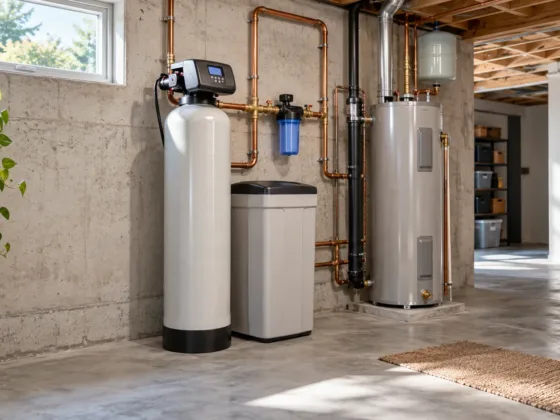
- Moisture, Waterproofing, and Insulation: Basements live close to water and damp soil, so moisture is the first thing to check. Look for white powder on concrete (efflorescence), peeling paint, rusted metal, or soft drywall. Tackle water at the source with grading, drainage, gutters, and a sump system if needed, then add a reliable wall waterproofing membrane. For neutral guidance on mold and moisture in homes, the U.S. EPA’s brief guide is a solid reference. Once the space is kept dry, code-compliant insulation will make it feel like part of the house rather than a cold storage room.
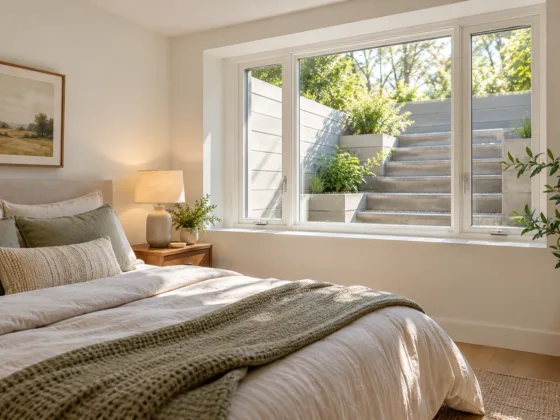
- Lighting and Natural Light: Most basements get very little daylight, so lighting needs more thought than in an upstairs room. Combine recessed lighting, wall sconces, floor lamps, and warm color temperatures so the room doesn’t feel like a cave. In some homes you can add larger windows or egress windows; this improves both light and safety.
- Ceiling Height and Obstructions: Measure from the future finished floor to the lowest duct, beam, or joist. Many areas that follow the International Residential Code (IRC) require around 7 feet of ceiling height in habitable spaces, with some flexibility for beams and ducts. If height is tight, options include re-routing mechanical runs, using low-profile lighting, or painting exposed joists instead of adding a dropped ceiling.
- Zoning, Layout, and Traffic Flow: Plan how the basement will be divided before you put up a single stud. An open-concept design can make a small basement feel larger, while half walls, shelving, or glass dividers can carve out quiet zones for work or sleep. Pay attention to walk paths from the stairs to bathrooms, exits, and main hangout areas.
- Health, Safety, and Air Quality: Basements can collect stale air, radon, and moisture. Radon testing, proper ventilation, and up-to-date smoke and CO alarms are important, especially if you’re adding a bedroom or rental unit. A quick call to your local building department or a licensed contractor can clarify the minimum requirements in your area.
If you’re still trying to pin down your goals, it may help to step back and clarify why you want to remodel the basement before committing to a layout. That decision shapes almost every other choice you make.
Creative Ideas for Your Basement Remodel
Once the shell is dry, safe, and checked against local rules, you can focus on what the space should feel like. The ideas below show how different homeowners put a basement to work, from everyday living to specialized “bonus” rooms.
If you want to compare options, you can also browse more basement renovation ideas that balance lifestyle upgrades with strong resale value.
1. A Cozy Family Room
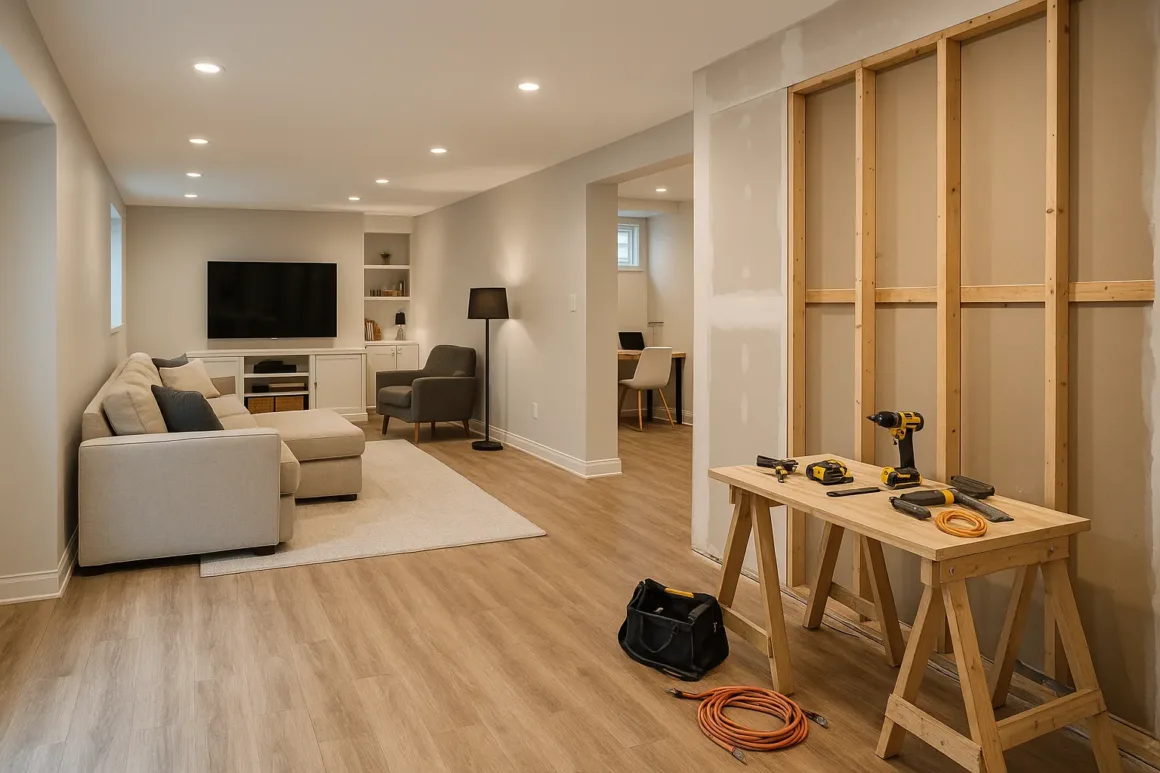
A basement family room works well if the main floor already feels full. It becomes the place for movie nights, board games, and weekend lounging without competing with everyday traffic in the kitchen or dining room.
- Comfortable Seating: A deep, lounge-friendly sectional sofa or a mix of recliners and accent chairs gives everyone a spot to land.
- Entertainment Center: Plan for TV size, gaming consoles, streaming devices, and cord management so the room stays tidy.
- Warm Décor: Rugs, layered textiles, and table or floor lamps soften the harder surfaces common in basements and make the room feel more like a main-level living room.
An experienced home remodeling contractor can help you hide storage in low walls, under stairs, or behind built-ins so toys, blankets, and tech accessories have a place to go at the end of the night.
2. A Home Office or Studio
Remote and hybrid work turned “quiet space with a door” into a real need. A basement office gives you separation from day-to-day noise upstairs and keeps laptops and paperwork from taking over the dining table. A well-planned workspace downstairs can be surprisingly comfortable.
- Built-In Desks: Use wall space for built-in desks and purpose-built shelving so files and equipment stay organized.
- Soundproofing: Insulation inside interior walls, acoustic panels, and solid-core doors help keep calls and focus-heavy work separate from the rest of the house.
- Inspirational Decor: Combine task lighting, a few plants, and art you actually enjoy so the space feels energizing, not like a converted storage closet.
For creative work—painting, photography, content creation, music—consider a studio corner with durable flooring, plug-in spots for equipment, and closed storage so gear is protected between sessions.
3. A Home Gym
A lower-level gym keeps heavy equipment off upper floors and makes short workouts easier to fit into a busy day. It’s also easier to drop weights or use cardio machines without worrying about noise traveling through the house.
- Rubber Flooring: Shock-absorbing flooring protects joints, equipment, and your subfloor while making cleanup easier.
- Mirrors: Wall-mounted mirrors help with form and also reflect light, which makes the room feel larger.
- Equipment: A balanced mix of dumbbells, a bench, resistance bands, and one or two machines (such as a rower or treadmill) covers most workouts. Add a mat zone for stretching or yoga.
4. A Basement Apartment or Rental Unit
When zoning and building codes allow, a small apartment in the basement can work as an in-law suite, guest space, or income-producing rental. Because you’re adding sleeping areas and sometimes a kitchen, this is where permits and inspections matter most.
- Kitchenette: A compact kitchen with a small fridge, microwave, and two-burner cooktop or hot plate keeps the space self-contained without overwhelming the floor plan.
- Bathroom: A well-planned full or half bath with modern fixtures makes the suite more comfortable for long-term guests or tenants.
- Separate Entrance and Egress: Where the lot allows, a private entrance plus code-compliant egress windows or doors give the apartment a safer, more independent feel.
If added square footage is the main goal, this guide on how to remodel your basement to create more living space gives more layout examples and planning tips.
5. A Playroom or Teen Hangout
A basement playroom or teen lounge keeps noise, toys, and snacks from spilling across the main floor. It also gives kids a sense of having “their” space, which becomes more important as they grow.
- Bright Colors: Durable, washable paint, decals, or a single feature wall keep the room cheerful without making maintenance a headache.
- Storage Solutions: Labeled bins, cubbies, and closed cabinets help kids put things back and keep visual clutter under control.
- Durable Materials: Choose flooring and furniture that can handle spills, crafts, and plenty of traffic without stressing you out.
For teens, a lounge zone with bean bags, a sectional, a TV, built-in charging spots, and a compact snack bar creates a hangout they’re happy to invite friends to—without taking over the rest of the house.
6. A Wine Cellar or Bar
If you like to entertain, a small wine cellar or bar turns the basement into an evening-ready space. The naturally cooler environment is helpful for wine and other beverages, as long as temperature and humidity are controlled.
- Temperature Control: Dedicated cooling units or a mini-split keep bottles within a safe range, which matters over time.
- Bar Counter: A compact bar with stools, a prep surface, and under-counter storage for glasses and tools works in surprisingly small footprints.
- Mood Lighting: Dimmable fixtures and LED accent lighting help you shift from everyday lighting to a relaxed evening atmosphere.
7. A Hobby or Craft Room
Basements are perfect for hobbies that need room to spread out. Instead of clearing a project off the dining table every night, you get a space where works in progress can stay put.
- Work Tables: Solid, generously sized tables with easy-to-clean tops make sewing, painting, repairs, or model building more enjoyable.
- Organized Storage: Shelving, labeled bins, and pegboards keep tools visible but controlled, which saves time on every project.
- Good Lighting: Bright, task-specific lighting over work zones prevents eye strain and makes color-sensitive projects easier.
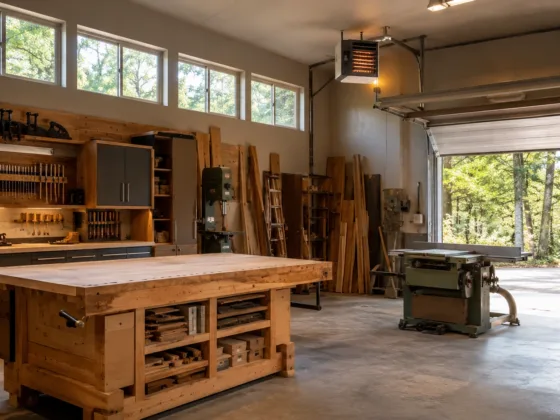
Whether it’s a knitting corner, a woodworking bench, or a multi-purpose craft table, dedicating basement square footage to something you enjoy is one of the easiest ways to get daily value out of the remodel.
8. A Luxurious Bathroom and Spa
When plumbing is accessible, turning part of the basement into a spa-inspired bath can make busy mornings and end-of-day routines a bit calmer. It also helps guests or extended family feel more at home.
- Jacuzzi or Soaking Tub: A deep soaking tub or whirlpool can anchor a relaxation zone, especially if main-level bathrooms are tight.
- Steam Room or Sauna: If space and budget allow, a compact sauna or steam shower adds a true spa element.
- Elegant Finishes: Marble-look tile, glass, wood details, and layered lighting keep the room from feeling like a basement bath.
9. A Home Theater
A basement is a natural spot for a dedicated home theater. With fewer windows and more control over sound, it’s easier to get a cinema-style experience.
- Soundproofing: Insulated walls and ceilings, plus a few acoustic panels, keep audio crisp in the room and reduce noise migration to bedrooms above.
- Recliner Seating: Tiered seating with cupholders and blankets helps everyone see the screen comfortably.
- Screen and Projector: Match the size of the screen and the power of the audio and video equipment to the room dimensions so you’re not overwhelmed by a screen that’s too close.
Some homeowners pair the theater with a small snack bar or game table nearby so the basement becomes the natural gathering spot for movie nights and big games.
10. A Multipurpose Room
If you want a flexible space that can change with your family, a multipurpose room may be the best fit. It can act as a guest room one week, a kids’ play area the next, and a home workout zone in between.
- Movable Furniture: Foldable, modular, or on-wheels pieces make it easy to reconfigure the room for different uses.
- Zoning: Use area rugs, low bookcases, or curtains to suggest different zones without losing openness.
- Hidden Storage: Ottomans, benches, and wall units with built-in storage keep the room calm even when it’s working hard in the background.
This kind of room works especially well in modest-sized basements and for families who expect their needs to change over the next few years.
Tips for a Successful Basement Remodel
1. Plan Ahead
Before any demolition starts, write down your goals, rough budget, and timing. Decide which features are non-negotiable (a bathroom, a family room, a legal bedroom) and which can be added later. Professional home remodeling services can help you organize the work so that waterproofing, framing, plumbing, electrical, and finishes happen in the right sequence.
2. Focus on Functionality
Let the way you live guide the design. A rental unit needs strong sound-separation and storage; a kids’ zone needs wipeable finishes and simple clean-up; a gym needs flooring and ventilation. Think through where coats, seasonal décor, and sports gear will go so storage doesn’t become an afterthought.
3. Maximize Light
Plan for a layered lighting scheme: recessed fixtures for general light, wall sconces or lamps for ambiance, and brighter task lighting over desks, craft tables, or workout zones. Pale wall colors, reflective surfaces, and mirrors help bounce light around and make low ceilings less noticeable.
4. Prioritize Comfort
Looks matter, but comfort is what makes people use the space regularly. Warm, resilient flooring, ergonomic seating, and properly sized heating and cooling are key. Soft furnishings, rugs, and acoustic treatments also reduce echo and help the basement feel less “hollow.”
5. Work with Professionals
Basement projects touch many systems at once—structure, plumbing, electrical, ventilation, and life-safety. A qualified home remodeling contractor can help you understand local code, pull the right permits, schedule inspections, and coordinate trades so the project is safe and durable, not just attractive on move-in day.
Why Choose Professional Home Remodeling Services?
A basement remodel involves more than finishes and décor. It affects the structure of the home, how water and air move through the building, and how safe the lower level is during an emergency. Experienced professionals bring systems thinking to the project, which is especially important if you’re building a bedroom, bathroom, or finished basement that needs to pass local inspections.
- Expertise: Contractors work with building codes, structural details, and mechanical systems every day. That experience helps avoid expensive mistakes and keeps your project aligned with local requirements.
- Efficiency: An organized crew can complete tasks in the right order and reduce downtime, which shortens the overall disruption to your household.
- Customization: A good home remodeling contractor will ask how you actually use your home, then tailor the layout, storage, and finishes so they fit your routines instead of following a generic template.
- Long-Term Value: A well-designed basement remodel stays dry, comfortable, and functional over time, which protects your investment and supports resale value when it’s time to move.
Conclusion
Remodeling your basement is a practical way to maximize space and make the most of the square footage you already own. Family rooms, teen lounges, hobby spaces, home offices, rental suites, and spa-style baths can all live downstairs when the shell is dry, and the layout is thoughtfully planned.
If you’re unsure about the financial upside in your area, it’s worth looking into whether a finished basement adds value to your home in your local market. Combined with solid waterproofing and good design, the lower level often becomes one of the most used and appreciated areas of the house.
When you’re ready to move forward, start with a clear plan, address water and code issues early, and lean on experienced professionals where the learning curve is steep. That approach helps you create a basement that feels like a natural extension of your home, not an afterthought.
Author: Perla Irish – Home improvement and remodeling writer who focuses on structural upgrades, code-informed projects, and practical guidance for homeowners. Perla writes for Dream Lands Design and contributes to House Sumo, translating technical details into clear, step-by-step advice. View Perla’s Muck Rack profile.
Reviewed by: Ricky McLain, P.E., S.E. – Licensed Structural Engineer and Senior Technical Director at WoodWorks, where he provides design guidance on building codes, structural systems, and safe wood construction. Ricky regularly consults with architects, engineers, and builders on complex residential and commercial projects. Connect with Ricky on LinkedIn · View Ricky’s professional bio.
FAQs
What are some creative ideas for remodeling my basement?
There are plenty of ways to remodel a basement beyond basic storage. Popular ideas include turning it into a cozy family room, a home office or studio, a personal gym, a rental-ready apartment or guest suite, a kids’ playroom or teen hangout, a wine cellar or bar, a hobby and craft room, a spa-style bathroom, a dedicated home theater, or a flexible multipurpose room that can change as your needs evolve.
How can I ensure my basement is suitable for remodeling?
Start by checking for moisture problems, foundation cracks, and signs of mold, and address any water intrusion before you add framing or finishes. Make sure you have adequate ceiling height, safe stairs, and a plan for lighting and ventilation. It’s also wise to confirm local building code requirements for items like egress windows, ceiling height, and permits so your remodeled basement is safe and compliant.
Why should I hire a professional contractor for my basement remodel?
A professional contractor understands how to handle structural considerations, drainage and waterproofing, plumbing and electrical work, and local code requirements. They can help you design an efficient layout, pull the right permits, coordinate trades, and complete the work more quickly and safely than a typical DIY approach, which ultimately protects your investment and reduces the risk of costly mistakes.
What should I prioritize when planning a basement remodel?
Focus first on safety and building science—waterproofing, insulation, ventilation, ceiling height, and code-compliant egress—then on how you want to use the space. From there, prioritize a functional layout, adequate lighting, and storage. Comfort (heating, cooling, and acoustics) should be right behind those, followed by aesthetics like finishes and decor.
How can I maximize light in my basement during a remodel?
To brighten a naturally dark basement, combine several strategies: add or enlarge windows where possible (especially egress windows), use light wall colors and reflective finishes, and install layered lighting with recessed fixtures, wall sconces, and floor or table lamps. Mirrors and glass doors can also help bounce light around, making the space feel more open and welcoming.