Table of Contents Show
Corn plants or Dracaena Fragrans is a type of tropical African tree that grows mainly in Europe. Early on during the 1800s, this was used as a type of indoor plant in Europe. In the 20th century, US citizens began using the corn plant in the same way.
The plant itself is a thick cane-like structure with long and thin leaves that look like corn stalks. They grow in an upward direction and make the plant itself look similar to palm trees. In fact, most people give it the name of “false palms”.
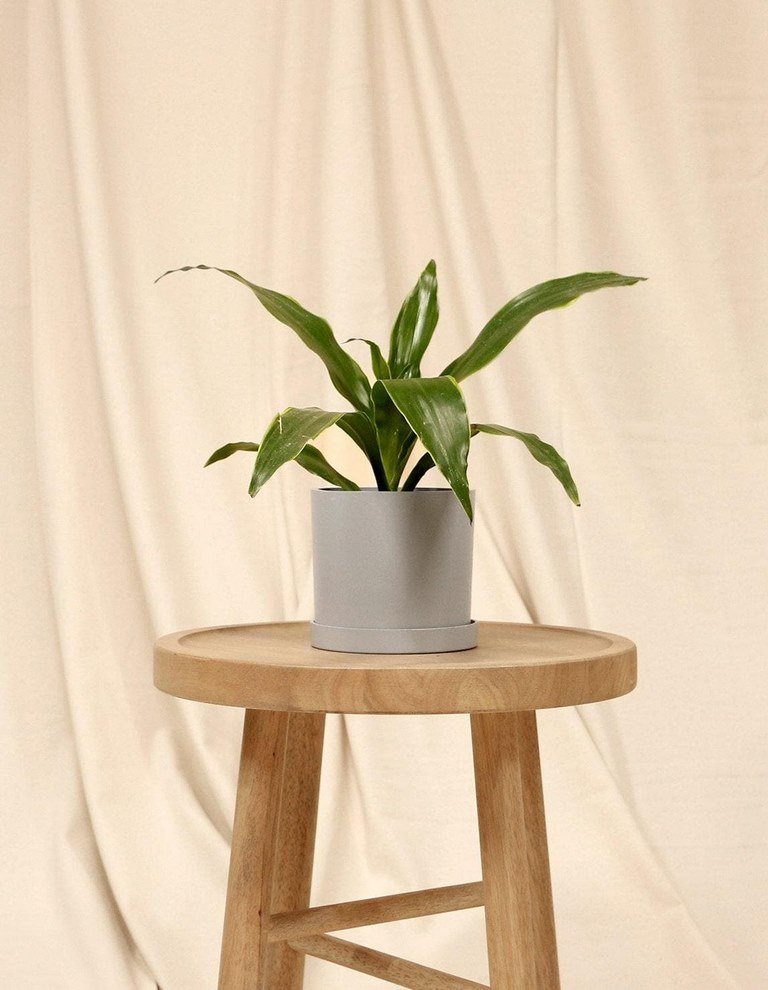
The leaves and the narrow stem together reach 4-6 feet in height inside containers. Generally, they grow best during the springtime, although the smaller potted versions can grow normally indoors at any season.
In the context of nurturing these plants though, there are many things that you must consider. Here, we shall discuss it more.
Correct Cultivation/Growth Factors for Corn Plants

The following are the main points you should follow carefully while growing a corn plant.
● Soil
For the best growth of corn plants, you should keep the potting soil in a looser consistency. It should drain the water well since too much of it would harm the plant.
● Water
During the period of spring to fall, the soil you put the corn plant into should have some moisture but not be very soggy. At the time of late fall or winter, do not water it very much. Maintain a normal balance.
● Light
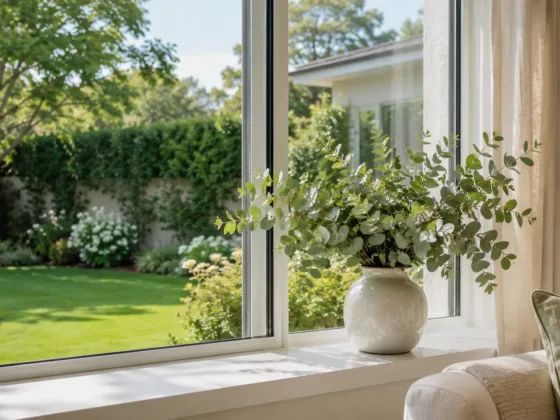
Sunlight is very important for the proper growth of corn plants. So, while growing it indoors, you should place it near one of your windows that filters in the right amount of sunlight. Try to avoid direct sunlight since that can result in the leaves wilting or getting sun damage.
The same goes for very little sunlight, which would affect its growth rate and reduce its vibrancy. If you are keeping the corn plant outdoors, do so in a shady region.
● Temperature
In terms of the temperature, corn plants grow well between 60-75 °F. In case you put the plant outside your home during the summer seasons, keep it inside by the time the temperature reaches 50°F.
● Fertilizer
For growing corn plants, you should put them in rich fertile soil and add balanced liquid fertilizer each month.

● Humidity
The ideal humidity for growing corn plants is within 40-50%. In case the humidity at your location is not up to par, keep your potted plant on top of a tray full of pebbles and water. Or, you can utilize your humidifier. Also, mist the corn plant leaves regularly.
Read Also:
Tips for Growing Corn Plants the Right Way

The following are some tips you should follow when you are growing a corn plant.
● The Right Potting Frequency
While repotting the corn plant, make sure to do so at least once at two years intervals. For this, add the same type of soil you were using early on, lifting it from the pot base.
Then, take a new pot and put it in; make sure that the roots are not cut off. Also, avoid packing in a lot of soil. This would make sure that the water you add can drain properly through the soil.
● Fertilize Sparingly
It is important to use a liquid fertilizer to properly nourish the plant type. However, avoid adding this completely during winter.
● Pruning Method
It is simple to complete the pruning process at a fast pace. For corn plants that grow very tall, you should cut it off at the very top, at least 3-4 inches overhead. Afterward, new buds grow around the cut portion.

● Propagation of Corn Plant
You need to spread the corn plant and replant it, but do the steps in a careful sequence. For this, use the stem cuttings that have a few inches to them and put them inside of warm and moist soil.
Here, add several upright cane pieces so that it grows well. For best results, you can utilize a rooting hormone to complete the process quickly. However, the entire procedure for rooting the corn plant can take some time.
Conclusion
To take care of your corn plant and grow it properly, you should follow the growing instructions carefully. Avoid keeping it somewhere where your animals can reach it and make sure to control the amount of water or sunlight it gets. The plant would grow normally with the right upkeep.