In dense urban living, balconies often become overlooked zones—used for storage, drying racks, or items without a permanent place indoors. Yet this small extension of the home has a unique role: it’s the threshold between interior comfort and open air. With a few thoughtful upgrades, a balcony can shift from neglected overflow space into a calm, usable retreat that works year-round.
The key is not adding more things, but choosing elements that improve comfort, privacy, and atmosphere without overwhelming limited square footage—especially in apartment or rental settings where permanent changes aren’t always possible.
Start With Seating That Encourages You to Stay
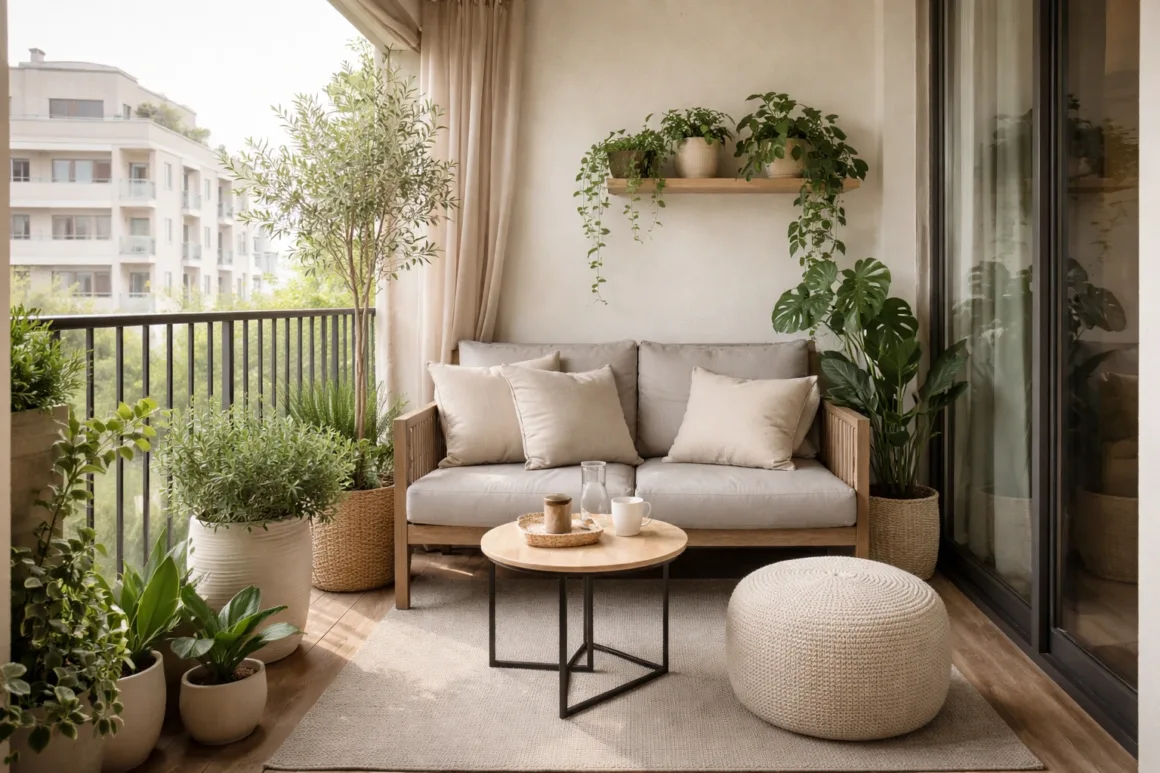
Seating determines whether a balcony is briefly visited or genuinely used. Lightweight plastic chairs tend to signal “temporary,” while cushioned, weather-appropriate seating invites longer moments outdoors. Depending on space, this could mean a compact loveseat, a pair of lounge chairs, or a single hanging chair that creates a sense of enclosure.
Soft cushions, neutral textiles, and layered throws help blur the line between indoor and outdoor living, especially when the balcony functions as an extension of the main living area.
Define Small Zones, Even on Compact Balconies
Zoning isn’t reserved for large terraces. Even narrow balconies benefit from subtle functional separation. A single rug, a side table, or a change in seating height can visually divide the space without physical barriers.
- A reading corner with a comfortable chair and small table
- A compact breakfast or coffee spot using a bistro set
- A low lounging area with floor cushions and an outdoor rug
These micro-zones make the balcony feel intentional rather than improvised.
Many of these strategies mirror broader approaches used in small interiors, where layout efficiency, furniture scale, and visual restraint play a larger role in how compact spaces are experienced system-based thinking in petite spaces.
Use Greenery to Soften the Urban Edge
Plants remain one of the most effective upgrades for balconies, regardless of budget. They introduce texture, soften hard surfaces, and subtly improve privacy. Potted plants, railing planters, or vertical green walls can all work depending on sunlight and maintenance preferences.
For residents without a strong gardening habit, hardy plants with minimal watering needs provide visual impact without ongoing effort.
Add Character Through Light-Filtering Elements
In small balconies, decorative details tend to work best when they are treated as material accents that filter light and define atmosphere, rather than as focal décor pieces competing for attention.
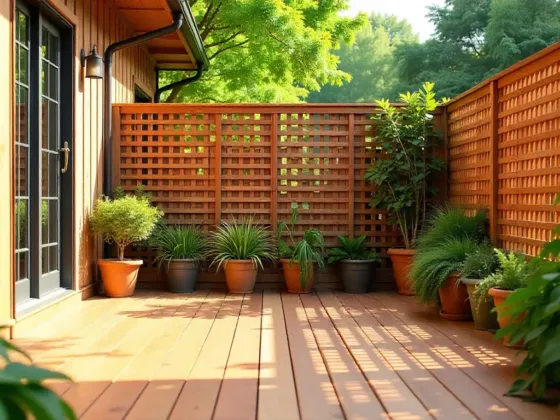
Screens, translucent panels, or decorative inserts can introduce privacy while still allowing daylight to pass through. Used selectively, these elements function as spatial filters rather than dominant design statements.
In some balcony designs, decorative glass panels—such as stained glass for sale—are incorporated as secondary visual layers. When approached as material details instead of décor centerpieces, they can add color and depth without overwhelming a limited footprint.
Portable Lighting Extends Balcony Use Into the Evening
Lighting often determines whether a balcony is usable after sunset. Portable, rechargeable lamps or soft string lighting offer flexibility without permanent installation. Warm, diffused light helps compact balconies feel calmer and more inviting at night.
The goal is ambiance rather than brightness—enough light to support conversation, reading, or quiet downtime.
Privacy Often Matters More Than Size
A balcony rarely feels relaxing without a degree of privacy. Depending on layout and building guidelines, this can be achieved through outdoor curtains, bamboo screens, tall plants, or semi-transparent dividers.
Light-filtering solutions maintain airflow and daylight while reducing visual exposure from neighboring units.
Seasonal Adjustments Keep the Space Relevant
A well-designed balcony adapts across seasons. In cooler months, thicker textiles and layered lighting extend usability. In warmer periods, lighter fabrics, shade-providing plants, and airflow-conscious layouts help regulate heat.
Thinking seasonally prevents the balcony from becoming a single-purpose space tied to only part of the year.
Choose Furniture That Serves More Than One Purpose
Multipurpose furniture is especially valuable in balcony design. Benches with hidden storage, foldable tables, or lightweight stools that can move indoors extend functionality without adding clutter.
When each element supports more than one use, even the smallest balcony can feel considered, comfortable, and consistently usable.
Author & Editorial Review
Author: Perla Irish is a design and home improvement writer covering interior materials, everyday home decisions, safety-aware planning, and real-world performance.
Editorial Review: This article was reviewed by the DreamlandsDesign editorial team for clarity, accuracy, balanced explanations, safety awareness, real-world usability, and long-term relevance. Content is evaluated to ensure balanced explanations, clear intent, and alignment with Google Helpful Content and E-E-A-T quality standards.